Vitamin-D-Quellen: Der ultimative Leitfaden zu Sonnenlicht, Lebensmitteln & Nahrungsergänzungsmitteln


Vitamin-D-Quellen stehen im Mittelpunkt dieser Seite, die einen Überblick bietet, der sich auf den Begriff „Vitamin-D-Quellen“ konzentriert. Der „Ultimative Leitfaden zu Sonnenlicht, Lebensmitteln & Nahrungsergänzungsmitteln“ signalisiert eine Tour durch die wichtigsten Wege, auf denen dieses Nährstoff diskutiert wird, einschließlich natürlicher Exposition, angereicherter Produkte und ergänzender Optionen. Ziel ist es, eine klare, neutrale Darstellung darüber zu bieten, wie Menschen über Vitamin-D-Quellen sprechen und welche Überlegungen mit jeder Kategorie verbunden sind. Die wichtigsten Quellen werden allgemein beschrieben: sonnenlichtbezogene Exposition als natürlicher Träger, angereicherte Produkte mit zusätzlichen Nährstoffen und eigenständige Ergänzungsmittel, die für verschiedene Kontexte entwickelt wurden. Dieser Abschnitt bleibt neutral und stellt fest, dass diese Kategorien in Diskussionen über Vitamin-D-Quellen häufig erwähnt werden, ohne ein bestimmtes Produkt oder eine Dosierung zu empfehlen. Täglicher Bedarf an Vitamin D variiert und hängt von persönlichen und Umweltfaktoren ab. Diese Seite gibt keine universellen Zahlen vor; vielmehr wird hervorgehoben, dass die tägliche Notwendigkeit in verschiedenen Kontexten unterschiedlich interpretiert wird. Leser werden ermutigt, lokale Richtlinien zu berücksichtigen und bei der Navigation durch Vitamin-D-Quellen eine individuelle Beratung durch qualifizierte Fachkräfte in Anspruch zu nehmen. Praktische Tipps für den Umgang mit Vitamin-D-Quellen konzentrieren sich auf eine sorgfältige Bewertung und sichere, informierte Entscheidungen. Überprüfen Sie die Glaubwürdigkeit der Quellen, prüfen Sie Sicherheits- oder Etiketteninformationen und gehen Sie Empfehlungen mit einem Bewusstsein für persönliche Umstände an. Das Ziel ist es, den Lesern ein ausgewogenes Verständnis für Vitamin-D-Quellen zu vermitteln und ihnen zu helfen, das Thema mit Klarheit und Vorsicht anzugehen.


Is it better to take vitamin D or vitamin D3? - Topvitamine
March 02, 2026
Vitamin D ist der Sammelbegriff für mehrere Verbindungen. Vitamin D3, auch Cholecalciferol genannt, erhöht den Blutspiegel in vielen Fällen zuverlässiger als Vitamin D2 und wird deshalb häufig bevorzugt. Der Artikel erklärt die Unterschiede, geeignete Einnahmeformen, wichtige Sicherheitsaspekte und beantwortet Fragen zu Psoriasis, Blasenentzündung und Rheuma. Außerdem erfahren Sie, wann eine Blutuntersuchung und ärztlicher Rat sinnvoll sind.
Which fruit is rich in vitamin D? - Topvitamine
December 09, 2025
Welches Obst enthält Vitamin D? Die kurze Antwort lautet: Praktisch keine Frucht liefert von Natur aus relevante Mengen. Vitamin D steckt eher in fettem Fisch, angereicherten Lebensmitteln und UV-behandelten Pilzen. Auch Orangensaft enthält Vitamin D nur dann, wenn es zugesetzt wurde. Dieser Überblick erklärt die Unterschiede zwischen Vitamin D2 und D3, beantwortet häufige Fragen und zeigt, wann ein Supplement sinnvoll sein kann.
What is the difference between Vitamin D and D3? - Topvitamine
November 22, 2025
Vitamin D ist ein Sammelbegriff, der unter anderem Vitamin D2 und D3 umfasst. Vitamin D3, auch Cholecalciferol genannt, wird häufig zur Supplementierung verwendet und erhöht den Blutspiegel in vielen Fällen wirksamer als D2. Der Artikel erklärt Quellen, Funktionen, Dosierung und Sicherheit und beantwortet, ob eine tägliche Einnahme nötig ist und welche Rolle Vitamin D3 bei Psoriasis spielen kann.
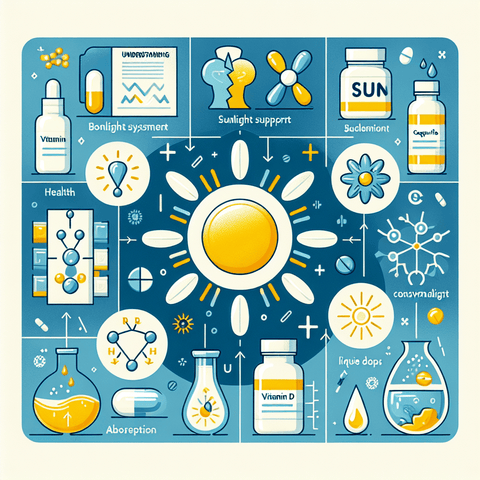
What's the difference between vitamin D3 and vitamin D? - Topvitamine
October 28, 2025
Vitamin D ist ein Sammelbegriff für mehrere Formen, vor allem Vitamin D2 und Vitamin D3. D3 wird häufig bevorzugt, weil es den Vitamin-D-Spiegel meist wirksam anheben und länger aufrechterhalten kann. Der Artikel erklärt Unterschiede, Quellen, Einnahme, Auswahlkriterien und Sicherheitsaspekte. Außerdem erfahren Sie, ob eine tägliche Einnahme sinnvoll ist und was über Vitamin D3 bei Psoriasis bekannt ist.
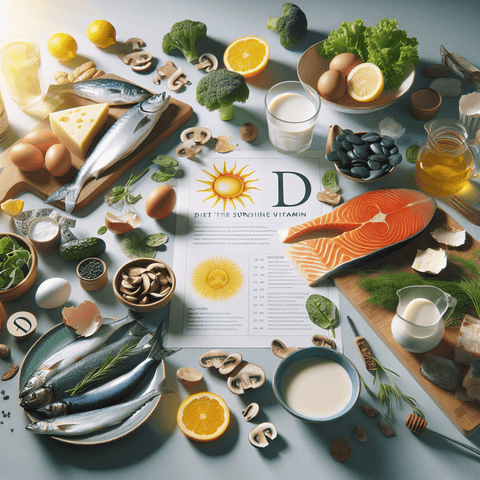
What are 10 foods rich in vitamin D? - Topvitamine
October 13, 2025
Vitamin-D-reiche Lebensmittel können dazu beitragen, die Vitamin-D-Zufuhr im Alltag zu verbessern. Besonders relevant sind fettreiche Fische, Eigelb, UV-behandelte Pilze und angereicherte Produkte wie Milchalternativen oder Frühstückscerealien. Dieser Überblick erklärt, welche Quellen praktisch sind, worauf Veganer achten sollten und wann ein Vitamin-D-Supplement oder eine professionelle Abklärung sinnvoll sein kann.

What is the difference between vitamin D and vitamin D3? - Topvitamine
October 12, 2025
Vitamin D ist ein Sammelbegriff, der unter anderem Vitamin D2 und Vitamin D3 umfasst. Vitamin D3, auch Cholecalciferol genannt, wird häufig zur Nahrungsergänzung verwendet und kann den Blutspiegel meist wirksamer anheben als D2. Dieser Ratgeber erklärt die Unterschiede, Funktionen, Quellen und möglichen Anzeichen einer Unterversorgung und zeigt, worauf Sie bei Dosierung, Darreichungsform und Medikamenteneinnahme achten sollten.

Vitamin D is one of the few nutrients the human body can produce itself, which makes the topic of vitamin D sources unusually interesting. Sunlight, food and supplements all play a part, and each works in a different way. This page provides a broad overview of the main vitamin D sources, the practical considerations attached to each one, and the context needed to make sense of the more specific articles associated with this tag.

Many people look into this topic because vitamin D intake varies widely between individuals. Diet, lifestyle, geographic location and the season all influence how much vitamin D a person is exposed to, and no single source suits everyone. Understanding the full map of options makes it easier to have an informed conversation with a healthcare professional about personal circumstances.

What Is Vitamin D?

Vitamin D is a fat-soluble nutrient that the body can make in the skin when it is exposed to ultraviolet B (UVB) rays in sunlight. For this reason it is often called the “sunshine vitamin”. It is also one of the most widely discussed nutrients in public health guidance, and it is frequently mentioned alongside calcium, as the two nutrients are commonly considered together in the context of bone health. Readers researching both nutrients can browse our calcium supplements category as a natural starting point.

Sunlight: The Natural Vitamin D Source

When UVB sunlight reaches the skin, the body begins the process that produces vitamin D. This is why sunlight is usually described as the primary natural source, and why vitamin D levels are often discussed in relation to season and geography. The amount of vitamin D the skin can produce is not fixed; it depends on a range of personal and environmental factors:

  • Season and time of year, with production generally lower during winter at higher latitudes
  • Time of day, as UVB intensity changes throughout the day
  • Latitude and local climate
  • Skin tone, which affects how skin responds to UVB exposure
  • Age, as vitamin D production in the skin is often described as changing over a lifetime
  • Time spent outdoors and how much skin is exposed
  • Use of sunscreen, clothing and shade, all of which limit the UVB that reaches the skin

Because these factors interact in complex ways, no universal amount of sun exposure can be recommended for vitamin D purposes. Skin-safety guidance should always take priority, since prolonged, unprotected exposure increases the risk of skin damage. Anyone trying to balance vitamin D production with skin protection is best served by following the sun-safety advice published by their national health authorities.

Food Sources of Vitamin D

Dietary vitamin D comes from two directions: foods that naturally contain the nutrient, and foods to which vitamin D has been added during manufacturing. Naturally rich sources are relatively limited compared with many other vitamins, which is one reason fortification exists and why vitamin D intake is a recurring theme in dietary guidance around the world.

Naturally Vitamin D-Rich Foods

The foods most commonly associated with natural vitamin D content include:

  • Oily fish such as salmon, mackerel, sardines and herring
  • Cod liver oil and other fish liver oils
  • Egg yolks
  • Liver and other organ meats
  • Certain mushrooms, particularly varieties grown or treated with ultraviolet light

The vitamin D content of these foods varies considerably depending on the species, farming method, season and preparation. Food composition tables and product labels are therefore the most reliable way to compare specific items.

Fortified Foods

In many countries, manufacturers add vitamin D to everyday staple products to help people increase their intake. Commonly fortified products include milk, plant-based drinks, yoghurt, margarine, spreads and breakfast cereals, although the exact list differs by country and brand. Because fortification is voluntary in many markets, two seemingly similar products can contain very different amounts, which makes label checking a useful habit for anyone relying on fortified foods as a regular vitamin D source.

Vitamin D Supplements

Supplements form the third broad source of vitamin D. They are available as standalone products, as part of multivitamin formulas and in combination products with other nutrients. The two main forms are vitamin D2 (ergocalciferol) and vitamin D3 (cholecalciferol), and products vary widely in strength and format. Anyone comparing options can explore our vitamin D supplements collection for an overview of the category, or browse our multivitamins range, as many multivitamin products include vitamin D among their ingredients.

Supplements are intended to complement, not replace, a varied diet and a balanced lifestyle. Labels, directions and formats differ between products, so reviewing the label and following the manufacturer's instructions is an important part of using any supplement sensibly.

Factors That Influence Vitamin D Needs

There is no single daily vitamin D intake that applies to everyone. Requirements are interpreted differently across countries and are shaped by personal circumstances. Factors that are commonly taken into account include:

  • Age and life stage
  • Body characteristics
  • Geographic location and seasonal sunlight availability
  • Typical time spent outdoors
  • Skin tone
  • Overall dietary pattern, including how often vitamin D-rich or fortified foods are eaten

National health authorities publish their own intake recommendations, and these can differ meaningfully from one country to another. For personal guidance, a doctor, pharmacist or registered dietitian can help interpret how these factors apply to an individual situation, including whether testing for vitamin D status is appropriate.

Safe and Sensible Use of Vitamin D Sources

Whichever sources you rely on, a few general habits support safe and informed decision-making:

  • Verify the credibility of any information source, including product labels and official guidance
  • Read supplement labels carefully, including ingredients, strength and usage directions
  • Check food labels when relying on fortified products, as amounts vary between brands
  • Be aware that supplements can interact with certain prescription medications

That last point deserves particular care. People who take prescription medication — including heart medicines such as diltiazem — are generally advised to speak with a doctor or pharmacist before adding a vitamin D supplement, because possible interactions are assessed on an individual basis. General educational pages like this one cannot replace that personalised advice. Anyone who suspects low vitamin D levels can also discuss testing with a healthcare professional rather than self-diagnosing a deficiency.

Frequently Asked Questions About Vitamin D Sources

Which foods are the highest in vitamin D?

Oily fish such as salmon, mackerel, sardines and herring are among the most commonly cited natural sources, alongside egg yolks, liver and UV-exposed mushrooms. Fortified products — including some milks, plant-based drinks, yoghurts, margarines and breakfast cereals — also contribute to intake in many countries. Exact values vary between products, so labels and official food composition data are the best reference points.

How can I raise my vitamin D levels naturally?

The natural levers are sensible time outdoors in line with local sun-safety guidance, plus eating more vitamin D-rich or fortified foods. How effective sunlight is depends on the personal and seasonal factors described above, which is one reason vitamin D is such a common topic in conversations with doctors. Anyone who suspects low levels should ask a healthcare professional about testing rather than adjusting sun exposure on their own.

Do I need a vitamin D supplement?

That depends on diet, lifestyle, location, season and personal circumstances. Some national authorities recommend vitamin D supplements for specific groups, such as during winter months or for people with limited sun exposure. A doctor, pharmacist or dietitian can help determine whether a supplement makes sense for you and, if so, which form and format to consider.

The articles associated with this tag explore individual aspects of vitamin D sources in more depth, from specific foods to seasonal considerations. Starting with the broad picture above makes it easier to place those detailed guides in context.