
{
"targetLocale": "de",
"primaryKeyword": "Zink für das Immunsystem",
"sourceContent": " Zinc for immune system function is one of the most researched areas in nutritional science. As an essential trace mineral, zinc plays a fundamental role in supporting normal immune responses and helps maintain the body’s natural defenses. Because the human body cannot store zinc, regular intake through diet or supplementation is necessary to support consistent immune readiness. Zinc contributes to the normal function of immune cells and helps protect cells from oxidative stress. It is involved in numerous enzymatic processes and is important for maintaining healthy skin, hair, and nails. These nutritional functions make zinc a key nutrient in any mineral supplement guide focused on trace elements. Good dietary sources of zinc include oysters, red meat, poultry, beans, nuts, and whole grains. However, the absorption of zinc from plant-based sources is often lower due to the presence of phytates, which can bind to the mineral and reduce bioavailability. This is particularly relevant for vegetarians and vegans who may need to monitor their intake more carefully. When considering supplementation, individual variability matters. Factors such as age, dietary patterns, and existing health conditions can influence zinc status. Zinc supplements are available in several forms, including zinc gluconate, zinc citrate, and zinc picolinate, which differ in absorption rates. Most multivitamin formulations include zinc alongside other essential vitamins and minerals to support overall nutritional balance. While zinc is essential, excessive intake can interfere with the absorption of other minerals, particularly copper. Prolonged high-dose supplementation may lead to copper deficiency and related complications. It is generally recommended to stay within established tolerable upper intake levels unless otherwise directed by a healthcare professional. Zinc lozenges taken at the onset of symptoms are commonly used, though evidence on their effectiveness remains mixed. As with any supplement, zinc is not a substitute for a balanced diet and should be used to complement, rather than replace, healthy eating habits. Individual needs vary, and consulting a healthcare provider is advisable before starting any new supplement regimen.Zinc for Immune System Support
\n\nFood Sources and Supplement Considerations
\n\nSafety and Limitations
\n\n
Zink für das Immunsystem: Wie dieses Mineral Ihre Abwehrkräfte stärkt
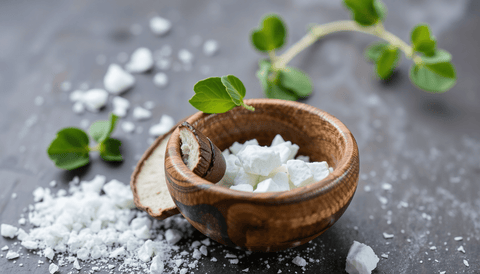
Zink ist ein essenzielles Spurenelement und an zahlreichen Körperfunktionen beteiligt, unter anderem an der normalen Funktion des Immunsystems, am Zellstoffwechsel und an der Erhaltung von Haut und Knochen. Dieser Ratgeber erklärt die wichtigsten Zink-Vorteile, typische Anzeichen eines möglichen Mangels, zinkreiche Lebensmittel und worauf Sie bei Zinkpräparaten achten sollten. Symptome allein beweisen keinen Mangel; bei Unsicherheit ist eine medizinische Abklärung sinnvoll.