Nutriments du foie animal : secrets, vitamines et bienfaits pour la santé
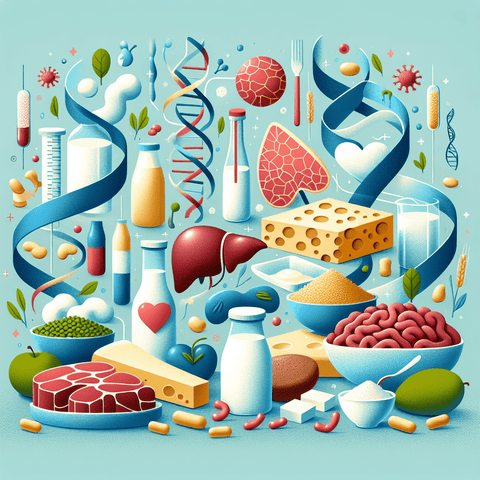

Découvrez les nutriments du foie animal sous un regard neutre, en explorant la composition riche du foie selon les espèces. L’expression « nutriments du foie animal » fait référence à l’ensemble des vitamines, minéraux, acides aminés et autres constituants présents dans le tissu hépatique. Cette page met en évidence ce que les chercheurs décrivent comme les nutriments du foie animal, en se concentrant sur les vitamines et minéraux essentiels qui composent la matrice nutritive. Parmi les nutriments du foie animal, on note souvent des vitamines telles que les composés contenant du fer, plusieurs vitamines du groupe B (comme B12, la riboflavine, la niacine et l’acide folique) et la vitamine A (rétinol). Les minéraux tels que le cuivre, le zinc, le sélénium et le phosphore apparaissent également dans le profil nutritif. Leurs niveaux spécifiques peuvent varier en fonction des espèces, de l’alimentation, de l’âge et des méthodes de traitement, offrant un aperçu de la façon dont les nutriments du foie animal peuvent différer. La teneur en protéines constitue un autre pilier des nutriments du foie animal. Cet organe contient un ensemble complet d’acides aminés essentiels, contribuant au profil général d’acides aminés décrit dans la littérature nutritionnelle. Lorsqu’on discute des nutriments du foie animal, la qualité des protéines et l’agencement des acides aminés sont souvent décrits comme faisant partie de la matrice caractéristique des nutriments du tissu. Du point de vue de la recherche, les nutriments du foie animal sont examinés par des méthodes analytiques et des profils comparatifs entre les espèces. La documentation du contenu nutritif apparaît dans des bases de données et la littérature scientifique, fournissant une base pour comprendre la composition des nutriments du foie animal sans aller jusqu’à des interprétations liées à la santé. Cette approche neutre permet d’éclairer la structure et la variété de la composition nutritionnelle du tissu hépatique.


Where is a lot of vitamin B12 found? - Topvitamine
29 October 2025
Les meilleures sources de vitamine B12 sont le foie, les poissons et fruits de mer, les viandes, les produits laitiers et les œufs. Le foie de bœuf est particulièrement concentré, mais il doit rester occasionnel en raison de sa teneur élevée en vitamine A. Les personnes véganes doivent privilégier les aliments enrichis ou un complément de vitamine B12, avec un avis professionnel en cas de risque de carence.
Which meat contains vitamin A? - Topvitamine
21 October 2025
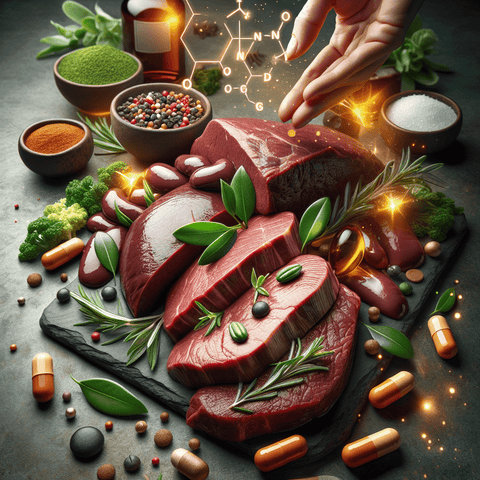
Le foie de bœuf, de poulet, de porc ou d’agneau est la viande la plus riche en vitamine A, sous forme de rétinol. Les viandes musculaires en apportent beaucoup moins. Ce guide explique les différences entre rétinol et bêta-carotène, les rôles de la vitamine A, les signes possibles d’un manque et les précautions à prendre avec le foie et les compléments.

Animal liver has been part of human diets across many cultures, and it continues to be studied for its nutrient composition. This tag page gathers articles and resources that explore animal liver nutrients at a broad level. Here you can learn what liver contains, how different animal livers compare and which practical factors are worth keeping in mind.

Whether you are curious about liver as a food, researching nutrient profiles or looking for general educational information, the sections below provide a starting point. More specific questions are addressed in the individual articles associated with this tag.

What Are Animal Liver Nutrients?

The phrase animal liver nutrients refers to the collection of vitamins, minerals, amino acids and other compounds found in the liver tissue of animals. Liver is an organ meat, and its nutrient profile is often described as dense compared with many other foods. Nutrition databases and scientific literature document the presence of these nutrients, although the exact amounts can differ from one sample to another.

This topic sits within the broader field of organ meats and traditional foods. It also connects to discussions about vitamins and minerals in general, such as those found in our vitamin A guide and mineral supplements guide, because liver is a natural source of several of these nutrients.

Main Nutrients Associated With Animal Liver

Liver is often discussed for its content of certain vitamins and minerals. The list below summarises the nutrients most commonly highlighted in general descriptions. It is not exhaustive, and the presence or amount of each nutrient can vary by species and other factors.

  • Vitamin A (retinol): liver is a concentrated source of preformed vitamin A.
  • B vitamins: including vitamin B12, riboflavin (B2), niacin (B3) and folate (B9).
  • Minerals: iron, copper, zinc, selenium and phosphorus are among those commonly mentioned.
  • Protein: liver provides protein with a complete set of essential amino acids.

Because these nutrients are found together in liver, the topic often overlaps with broader discussions about vitamin and mineral intake. For more detail on individual nutrients, you can explore our B vitamin overview.

How Animal Liver Nutrients Can Vary

Not all liver is the same. The nutrient composition of liver can differ depending on several factors. This variability is one reason why general statements about liver nutrients are often given as ranges rather than exact figures.

  • Species: beef, chicken, pork, lamb and other animals have different nutrient profiles.
  • Diet and age of the animal: what the animal ate and its stage of life can influence liver composition.
  • Processing and preparation: cooking methods and handling may affect some nutrients.

These factors mean that comparing liver types requires looking at specific data rather than assuming one liver is identical to another. Individual articles on this tag may go into more detail about particular species or comparisons.

Common Questions About Animal Liver

People often ask whether eating liver is good for them, which animal liver is most nutritious, why they may feel a certain way after eating beef liver, and who should avoid or limit liver. These are broad questions that touch on nutrition, individual circumstances and safety.

At a general level, liver is a nutrient-dense food, but it is also concentrated in certain nutrients such as vitamin A and copper. This means that portion size and frequency matter, and that some people may need to be more mindful about liver consumption. For example, pregnant women and individuals with certain health conditions are often advised to seek personalised guidance. The articles linked on this tag page explore these questions in more depth.

Practical Considerations and Safety

If you are considering including liver in your diet, there are a few general points to keep in mind. First, liver is not a typical everyday food for everyone; it is often eaten in smaller portions or less frequently. Second, because it contains preformed vitamin A, excessive intake over time may be a concern for some individuals. Third, food safety practices for handling and cooking liver are similar to those for other meats.

This information is educational and not a substitute for advice from a qualified healthcare provider. If you have specific health concerns, are pregnant or are taking medication, it is best to consult a professional before making significant dietary changes.

Exploring the Topic Further

Animal liver nutrients connect to wider themes in nutrition, including vitamins, minerals, protein and organ meats. The articles associated with this tag page cover specific questions and comparisons. If you want to explore related supplement categories, you can visit our superfoods guide for broader context on nutrient-dense foods.