Propriétés anti-inflammatoires : Soulagement de la douleur et amélioration de la santé


Les propriétés anti-inflammatoires décrivent la capacité d’une substance, d’une classe de composés ou d’un processus biologique à influencer les voies inflammatoires. L’inflammation est une réponse naturelle à une blessure ou à un stress, et les chercheurs étudient comment différents agents affectent les molécules de signalisation, les réponses cellulaires et l’environnement inflammatoire global. Cette page explore les propriétés anti-inflammatoires sous trois angles : des conseils appuyés par la science pour l’évaluation des preuves, les remèdes naturels évoqués dans la littérature, et les étapes pratiques pour approfondir la compréhension — en restant toujours attentif à la manière dont ces propriétés sont définies et mesurées selon différents modèles d’études. Les conseils fondés sur la science commencent par distinguer les types d’études (en laboratoire, sur des animaux, sur des humains) et par noter si les résultats ont été reproduits. Recherchez une description claire des méthodes, des tailles d’effet et des limitations, et soyez conscient que l’observation de propriétés anti-inflammatoires dans un test contrôlé ne se traduit pas automatiquement par des résultats dans des contextes plus complexes. Lorsque vous consultez des revues, vérifiez si elles utilisent des méthodes systématiques, si elles mentionnent d’éventuels conflits d’intérêts, et la robustesse globale des preuves. Le mot-clé "propriétés anti-inflammatoires" doit être compris dans le contexte de la façon dont les chercheurs le définissent, le quantifient et l’interprètent à travers différentes disciplines. Dans la section sur les remèdes naturels, la littérature évoque souvent les propriétés anti-inflammatoires en termes de mécanismes proposés et de bioactivité observée. Approchez ces discussions avec une analyse critique : considérez comment les chercheurs en déduisent une propriété, quels modèles expérimentaux sont utilisés, et dans quelle mesure les résultats peuvent être généralisés. Faites attention à la variabilité des préparations, des conditions expérimentales et des populations étudiées, ainsi qu’à la manière dont les propriétés anti-inflammatoires sont opérationnalisées dans différentes études. L’accent est mis sur la compréhension du concept lui-même plutôt que sur l’approbation de usages spécifiques. Les étapes pratiques comprennent l’élaboration d’un plan de lecture qui définit des questions clés, la création d’un glossaire des termes liés aux propriétés anti-inflammatoires, et la tenue d’un journal des sources avec des notes sur la méthodologie et les limites. Exerciez votre capacité à évaluer les affirmations en vérifiant si les preuves soutiennent les interprétations proposées et en notant les besoins en recherches supplémentaires. Restez curieux et reconnaissez que la compréhension scientifique évolue avec le temps ; mettre à jour votre savoir en fonction des nouvelles données est une démarche essentielle pour s’engager de manière responsable avec les propriétés anti-inflammatoires.


7 Key Benefits of Omega-3 Fatty Acids - Topvitamine
06 May 2026
Découvrez les 7 principaux avantages des acides gras Oméga-3 et apprenez comment ils peuvent renforcer la santé de votre cœur, la fonction cérébrale et votre bien-être général. Lisez la suite pour améliorer votre santé dès aujourd'hui !
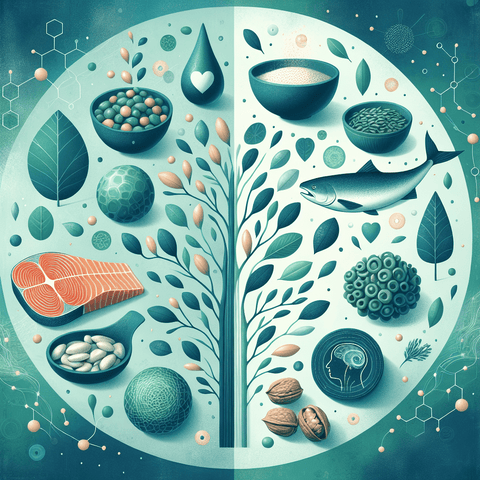
What are 10 benefits of Omega 3? - Topvitamine
19 October 2025
Les bienfaits des oméga-3 concernent notamment les membranes cellulaires, le cœur, le cerveau et la vision. Cet article distingue l’ALA, l’EPA et le DHA, présente les principales sources alimentaires et explique comment choisir un complément d’oméga-3. Il aborde aussi le lien avec l’inflammation, les questions fréquentes sur l’huile d’olive et le curcuma, ainsi que les précautions à prendre avec certains traitements.

Is it useful to take omega 3? - Topvitamine
13 October 2025
Est-il utile de prendre des oméga-3 ? Cela dépend surtout de votre alimentation, de vos besoins et de votre état de santé. Les poissons gras apportent directement de l’EPA et du DHA, tandis que les aliments végétaux fournissent principalement de l’ALA. Ce guide explique les rôles des oméga-3, les critères de choix d’un complément, les apports généraux et les précautions à connaître.

Anti-inflammatory properties describe the ability of certain foods, nutrients and natural compounds to influence the body's inflammatory processes. Inflammation is a normal, short-term response to injury or infection, but researchers also study chronic, low-grade inflammation and how long-term lifestyle factors, including diet, may relate to it. This has made anti-inflammatory eating one of the most widely discussed areas in nutrition.

This page works as a topical hub for the subject. It explains what anti-inflammatory properties mean, which foods and compounds are most often studied, how supplements fit into the picture and how to evaluate claims critically. The individual articles collected under this tag then explore each of these areas in greater depth.

What Are Anti-Inflammatory Properties?

Inflammation is the immune system's natural response to injury, infection or stress. In its acute form it is short-term and protective. Researchers also distinguish chronic, low-grade inflammation, which can persist over time and is studied for its possible associations with long-term health.

The term anti-inflammatory properties is used to describe substances that appear to influence inflammatory pathways — for example, the signalling molecules, enzymes and cellular responses involved in the inflammatory process. Importantly, an effect observed in a laboratory assay does not automatically mean the same result will occur in the human body. This is why researchers look for consistent findings across laboratory, animal and human studies before drawing conclusions.

Foods Commonly Studied for Anti-Inflammatory Properties

Rather than one single 'anti-inflammatory food', nutrition research tends to look at overall dietary patterns rich in plant foods, fibre and beneficial fats. Within these patterns, several foods and food groups appear most often in the scientific literature:

  • Fatty fish such as salmon, mackerel and sardines, studied for their omega-3 fatty acids EPA and DHA
  • Extra virgin olive oil, which contains monounsaturated fats and polyphenols and is typically used in cooking and salad dressings
  • Berries and other colourful fruits, sources of polyphenols and other plant compounds
  • Leafy green vegetables and other non-starchy vegetables
  • Nuts and seeds
  • Spices such as turmeric, a source of curcumin, and ginger

How these foods are chosen and prepared often matters as much as the foods themselves. Olive oil, for instance, is commonly used raw or for gentle cooking, and spices are frequently paired with fats in traditional cuisines. Preparation methods and day-to-day usage are covered in more detail in the dedicated articles under this tag.

Key Compounds Researchers Study

Behind these foods sit specific compounds that attract much of the research attention. Omega-3 fatty acids, polyphenols and carotenoids are food-derived compounds studied for their roles in the body's normal inflammatory and antioxidant processes. Curcumin, the best-known active compound in turmeric, is among the most frequently investigated botanical ingredients in this field — our curcumin supplements range shows how this ingredient is typically formulated. Results vary between laboratory, animal and human studies, so findings should always be read in context.

Supplements and Anti-Inflammatory Research

Supplements are a natural extension of this topic, and several categories are widely studied alongside anti-inflammatory diets. They are generally viewed as complements to — not replacements for — a balanced, varied diet. Anyone considering supplements, particularly people who take medication or manage a health condition, is advised to speak with a healthcare professional first.

Omega-3 fatty acids are among the most extensively researched nutrients in this area. Our omega-3 (DHA and EPA) supplements collection gathers products supplying the fatty acids found naturally in oily fish.

Antioxidants are also closely connected to this research field, because oxidative stress and inflammation are often studied side by side. You can browse antioxidant supplements to explore this category further.

How to Evaluate Anti-Inflammatory Claims

Because 'anti-inflammatory' is used broadly in marketing and media, critical evaluation is one of the most useful skills a reader can build. When you come across a claim about a food, spice or supplement, it helps to:

  • Distinguish between study types — laboratory, animal and human research — and check whether findings have been replicated
  • Look for clear reporting of methods, effect sizes and limitations
  • Check whether reviews use systematic methods and whether potential conflicts of interest are disclosed
  • Remember that bioactivity observed in a controlled assay does not automatically translate to everyday outcomes
  • Note how preparations, amounts and study populations compare with real-world use

Keeping a simple log of sources — their methods, findings and limitations — makes it easier to update your understanding as new research emerges. In a field that continues to evolve, that habit is part of engaging with the topic responsibly.

Practical Considerations for Readers

If you want to eat with inflammation in mind, the most consistent message in the research is to think about your overall dietary pattern rather than any single ingredient: build meals around vegetables, fruits, whole grains, legumes, nuts, oily fish and healthy oils such as olive oil, while keeping heavily processed products occasional.

  • Focus on the overall pattern, not individual 'superfoods'
  • Aim for variety, since different plant foods supply different compounds
  • Treat supplements as complements to a balanced diet, not substitutes
  • Be cautious with products or claims promising immediate results
  • Discuss significant dietary changes with a qualified healthcare professional

This overview is for general education and is not a substitute for personalised medical advice. If you have a health condition, take medication or are considering supplements, a qualified healthcare professional can help you apply these ideas to your situation.

Exploring This Topic Further

The articles collected under this tag examine individual parts of this map in more depth — specific foods and spices, individual compounds, preparation methods, foods commonly limited in anti-inflammatory eating, and common questions such as how quickly dietary changes can make a difference. Reading them alongside this overview gives you both the big picture and the detail of anti-inflammatory nutrition.