
Les bienfaits de l'ashwagandha constituent une phrase de recherche courante pour les lecteurs Curieux de savoir comment cette herbe est évoquée dans les pratiques traditionnelles et la science moderne. Cette page vise à présenter une vision équilibrée, en décrivant ce que signifient les chercheurs par adaptogènes, comment le sujet est encadré autour de cette herbe, et comment la posologie est abordée en pratique. En se concentrant sur le langage utilisé pour décrire les bienfaits de l'ashwagandha, vous apprendrez comment l'information est organisée et ce qu'il faut rechercher sur les étiquettes des produits et dans les discussions scientifiques. Dans les discussions scientifiques, l'ashwagandha est décrite comme un adaptogène — une catégorie de substances étudiées pour leur potentiel influence sur la réponse du corps au stress et aux processus associés. Les chercheurs examinent les mécanismes possibles, notamment l'activité sur l'axe hypothalamo-hypophyso-surrénalien, les propriétés antioxydantes, et le profil chimique des extraits standardisés contenant des withanolides. Cette section reste descriptive, précisant que les résultats varient selon la conception des études, les populations et la spécification des extraits. L'objectif est de présenter une vision neutre de la façon dont la science parle des bienfaits de l'ashwagandha en termes de mécanismes et de types de preuves. Conseils pour la posologie : lors du choix d'un produit, recherchez un extrait standardisé clairement étiqueté avec une teneur définie en composés actifs. Commencez avec une dose plus faible et ajustez progressivement selon les directives de l'étiquette et votre tolérance personnelle, en évitant toute augmentation sans conseils appropriés. Il est judicieux de consulter un professionnel de santé si vous avez des conditions médicales, prenez des médicaments, ou si vous êtes enceinte ou allaitante. Vérifiez toujours les indicateurs de qualité tels que les tests par des tiers, les registres de lot, et les listes d'ingrédients claires pour garantir une posologie sûre et une comparaison précise entre produits. Tout au long de ce processus, vous pourriez rencontrer des discussions sur les bienfaits de l'ashwagandha et comment différentes formulations cherchent à refléter ces conversations. Pour évaluer la discussion sur les bienfaits de l'ashwagandha, considérez la qualité et la conception des études citées, la cohérence des résultats selon les populations, et la transparence des spécifications des extraits. Cette approche vous aidera à interpréter la science derrière le concept d'adaptogène sans exagérer les résultats. En comprenant à la fois le contexte traditionnel et le langage de la recherche moderne, vous pourrez formuler une vision équilibrée de la façon dont les bienfaits de l'ashwagandha sont décrits en termes de posologie, de mécanismes et de preuves.
Avantages de l'Ashwagandha : Soulagement naturel du stress, sommeil et énergie
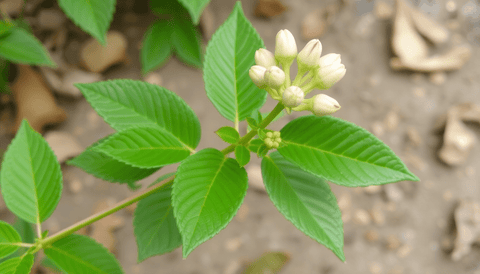
Ashwagandha (Withania somnifera) has become one of the most popular herbal supplements in the natural health world. In traditional practice, this herb is often described as a balancing tonic, and modern discussions frequently refer to it as an adaptogen—a category of botanicals studied for their potential influence on the body's response to stress. This tag page serves as a broad overview of ashwagandha benefits, the science behind the topic, how to choose a supplement, and the essential safety considerations. Here, you'll find a comprehensive map of the topic, connecting to more specific articles and supporting product categories.
Understanding the Adaptogen Concept
To understand the discussion around ashwagandha benefits, it helps to start with the term “adaptogen.” The concept suggests that certain plants might help the body maintain balance or homeostasis in the face of physical or mental stress. This is distinct from a direct treatment for a disease; instead, it is proposed to support natural mechanisms. In scientific literature, researchers look at this effect through several mechanisms, including the potential influence on the hypothalamic-pituitary-adrenal (HPA) axis, which helps regulate stress responses and cortisol levels, and the antioxidant properties of compounds called withanolides.
It is important to recognize that “adaptogen” is not a recognized medical diagnosis or category of treatment in all scientific circles. The research on ashwagandha is promising but evolving. Evidence can vary based on study design, the type of extract used, and the dosage. For this reason, it's essential to look for the quality and design of studies cited, the consistency of results across populations, and the transparency of extract specifications. This approach helps you interpret the science behind the adaptogen concept without overstating confirmed outcomes.
Key Areas of Research and Potential Benefits
Most of the public conversation around ashwagandha benefits centers on a few main areas. At our level, you’ll explore the most commonly researched topics with a balanced view, refraining from making definitive claims about the results.
Stress and Anxiety
A significant body of research focuses on ashwagandha for perceived stress and anxiety. This research typically uses standardized extracts with a specific degree of withanolides. Some studies suggest that the herb could contribute to a reduction in perceived stress, which is why it's a common subject of clinical trials. The exact mechanism is still being studied, but the potential to influence the body's stress response system is a key theoretical focus. However, it's important to recognize that results are not universally consistent, and different products may show different results.
Sleep and Energy
In addition to stress, many users are interested in ashwagandha for its potential to support sleep and energy. Poor sleep is a common topic and is often associated with higher stress levels. Some evidence suggests that the herb may influence neurotransmitter systems and have a calming effect, which can improve perceived sleep quality in some people. This, in turn, might contribute to better daily energy. However, sleep physiology is complex, and findings in this area are likewise variable, so it’s best to understand this as a potential rather than a guaranteed effect.
Cognitive Function
Another area of interest is the influence of ashwagandha on memory and cognitive performance. Some research is exploring whether the herb’s antioxidant and neuroprotective properties might support cognitive health. Outcomes from trials can appear inconsistent, and there’s variation in how cognitive function and memory are measured. This topic often intersects with aging research, but the tag page treats it as an open avenue of study rather than a confirmed effect.
Women’s and Men’s Health
Ashwagandha is also discussed in a specific context for its potential effects on hormonal balance in women and fertility in men. Research in these areas is limited and uses various extracts. For women, the conversations often relate to balancing hormones, supporting and supporting the transition into menopause, and reducing stress-related symptoms. For men, the research focuses on fertility markers and vitality. While these are active areas of study, results can be mixed and highlight the need for not overgeneralized health conclusions.
Dosage, Forms, and Supplement Selection
When evaluating an ashwagandha benefits, the way you choose a product is crucial. You may encounter products in various forms, including root powder, capsules, or liquid extracts. Rather than being a simple choice, the form can affect the extract concentration and dosage. If you're thinking about ashwagandha, look for it in a
Here are some practical points to consider:
- Look for standardized extracts. The label should specify the percentage of as a key withanolides (often 2.5% to 5%). This helps you compare different products more objectively, since potency and effectiveness can vary widely between brands.
- Start with a low dose and adjust slowly. Avoid to escalate the dose without evidence or guidance from a qualified health professional.
- Ensure quality, not just the label. Look for a batch record, an ingredient list, and a marker of third-party testing to ensure purity and potency. This is essential for safety and ideal for your expectations.
While the market has a broad range of supplements, a helpful are the product categories available. You might explore a range of ashwagandha supplements to see how different formulations are presented side-by-side.
One Important Note: Safety and Side Effects
Safety is a central part of discussing ashwagandha benefits. It is not without cautions, and being aware of them is essential before jumping into your daily routine. Some general points include:
- Contraindications: Ashwagandha isn’t recommended for everyone. Individuals who are pregnant or breastfeeding should avoid it. It may also affect thyroid, liver, and blood sugar levels; if you have those medical conditions, you should seek health care professional guidance.
- Drug Interactions: Do not combine ashwagandha with medications without consulting your doctor. It ranges from thyroid hormones, blood sugar-lowering agents, and sedatives.
- Autoimmune Conditions: Since ashwagandha may stimulate the immune system (or modify it), those with autoimmune diseases should discuss with a physician before deciding to use it.
- Gastrointestinal Upset: Some experience stomach problems, diarrhea, or nausea— particularly when it’s eaten on an empty stomach.
These points keep the conversation on safety. Answers to specific ”Why be careful with ashwagandha?”, “What cannot be mixed with ashwagandha?”, or “does ashwagandha have vitamin B12?” are best explored within dedicated articles in specific places rather than here. This broad list is intended to make you mindful and aware of the basics required to formulate a conversation with a healthcare provider.
How the Topic and Research Relate to Other Nutrients
Ashwagandha is often discussed as a standalone supplement, but it can also be seen alongside other nutritional topics. For instance, stress and sleep are popular areas of conversation in the same sentence as vitamins and minerals. For instance, magnesium is increasingly a favorite for sleep and stress relief, making it a closely related topic. The same goes for vitamin B-complex, which is essential for energy metabolism (and is sometimes anecdotally confused with ashwagandha in the same user context). Our magnesium benefits and muscle support collection or vitamin B guides could help contextualize those related areas and build a complete mental map. These nutrients are frequently part of the same holistic conversations about energy, stress, and sleep.
Wrapping Up This Broad Overview
This tag page has provided a mapping of the broader topic of ashwagandha benefits. It’s a good first stop for understanding the fundamentals: what adaptogens are, what science investigates, how to select a decent product, and things to be careful around. For more specific details (like dosage by purpose or specific interactions), the array of specialized blog articles within this tag will offer that depth. So use this overview to frame your questions, then dive into the related posts with the knowledge that you've mapped out the terrain in advance.