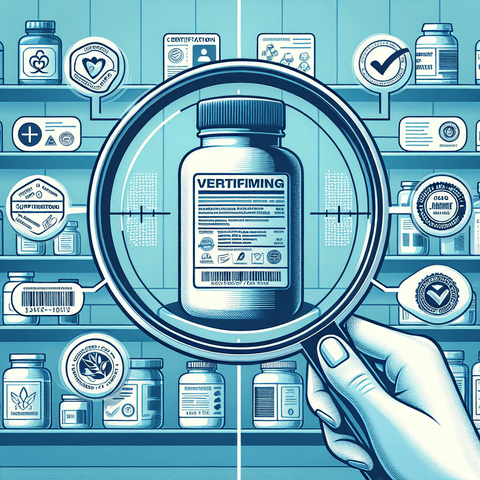
L’emballage authentique des compléments ne concerne pas seulement l’aspect extérieur ; c’est une première ligne de défense pour les acheteurs avertis. Lorsqu’on repère un emballage authentique de supplément, on prête attention aux étiquettes vérifiées, aux caractéristiques de sécurité intégrées et aux indicateurs permettant de distinguer les produits originaux des contrefaçons. Développer une habitude rapide d’inspection visuelle de l’emballage vous aide à repérer les incohérences avant d’ouvrir une bouteille ou un récipient. Pour vérifier la légitimité des étiquettes, comparez les éléments clés aux spécifications officielles : nom du produit, fabricant, numéro de lot ou de série, date de péremption, contenu net, et orientation de l’étiquette. Recherchez une typographie nette, une identité visuelle cohérente, et des informations de contact complètes pour le fabricant. Si vous avez accès au site web de la marque ou au service client, vérifiez les détails de l’étiquette, y compris tout identifiant unique associé à l’emballage authentique, comme des numéros de série ou des codes de vérification. Inspectez les caractéristiques de sécurité : sceaux inviolables, marques holographiques ou à encre UV, bandes de sécurité, microtextes, et panneaux à gratter. De nombreuses marques incorporent des codes QR ou des étiquettes NFC qui renvoient à des portails de vérification du produit. Lorsque cela est possible, scannez ces codes avec l’application officielle de la marque ou leur site pour confirmer la provenance du produit. Examinez également le matériau de l’emballage pour s’assurer de coutures régulières, d’un film de shrinkage approprié et d’une intégrité de scellement constante ; des irrégularités peuvent indiquer une contrefaçon dans un emballage authentique. Évitez les contrefaçons en achetant chez des détaillants autorisés et des sources réputées. Comparez l’emballage avec des listes fiables, surveillez les anomalies de prix, et vérifiez que l’emballage n’a pas été remis à neuf ou altéré. Surveillez les numéros de lot et les dates d’expiration en relation avec la date actuelle, et en cas de doute, contactez le fabricant pour vérification. En vous concentrant sur un emballage authentique, vous réduisez votre exposition aux produits contrefaits et vous vous assurez de manipuler un article genuin.
Emballage authentique des suppléments : repérez les étiquettes réelles et évitez les contrefaçons
Learning to identify authentic supplement packaging is one of the most effective ways to protect yourself from counterfeit products. This guide provides a practical overview of what genuine packaging looks like, the security features you should check, and the habits that help you buy with confidence. Whether you are new to supplements or a regular user, understanding these key principles helps you make safer choices. Here, we cover the main areas of verification, from label inspection to choosing the right places to shop.
Why Authentic Supplement Packaging Matters
Authentic supplement packaging is more than just an attractive exterior. It serves as a critical communication tool between the manufacturer and the consumer, conveying important information about the product's identity, contents, and quality. For the buyer, the packaging is often the first and only line of defense against counterfeit goods, which can be ineffective or even unsafe. Recognizing this can help you prioritize verification as a regular part of your purchasing routine.
For the supplement industry, packaging integrity is a key marker of a brand's commitment to quality control. A well-produced, secure package suggests that the manufacturer has invested in the safety and traceability of its products. This is why counterfeiters often struggle to perfectly replicate every detail, leaving small but noticeable clues that can alert a careful consumer. Learning to spot these clues is a valuable skill for anyone who wants to maintain a high standard of safety in their supplement use.
Examining Labels and Identifying Information
The label is the most straightforward place to begin verifying a product's authenticity. A genuine label should present clear, professionally printed information. Key elements to focus on include:
- The full and correct product name.
- The manufacturer's name and complete contact information.
- The lot or batch number, which is unique to each production run.
- The expiration date, which should be clearly printed and easy to read.
- Net contents, showing the exact amount of product in the container.
Look for consistent branding, sharp typography, and correct spelling. Blurry ink, misaligned text, or a low-resolution print can indicate a fake label. If you have access to the manufacturer's official website, compare the label on your product with the images they provide. Cross-checking details like the product name and design is a simple yet effective way to spot discrepancies. You can also contact their customer service to verify that a particular lot number or batch code is legitimate.
Inspecting Packaging and Security Features
Beyond the label, the physical packaging itself contains clues about a product's authenticity. Modern supplement manufacturers use a variety of security features that are difficult for counterfeiters to duplicate. Becoming familiar with these features can give you confidence that your product has not been tampered with.
When examining the package, check for the following:
- Tamper-evident seals, which should be intact and require force to break.
- Holographic images or UV-ink marks, which are often impossible to replicate accurately.
- Security foils or micro-printed text that is very small and clear.
- Scratch-off panels or QR codes that can be scanned to verify the product's provenance.
Also, evaluate the quality of the bottle or container. Even seams, properly applied shrink wrap, and consistent heat seals are signs of a professional manufacturing process. Irregularities in the molding, poorly applied labels, or a loose cap can be signal that the packaging has been compromised or tampered with. For products that come with a QR code or NFC tag, use the brand's official scanner or app to verify the product's legitimacy.
Strategies to Avoid Counterfeit Supplements
While knowing how to inspect a product is important, your buying behavior is equally crucial. The best way to avoid counterfeits is to purchase from sources you trust. Here are some practical strategies to incorporate into your shopping habits:
- Buy directly from the manufacturer's official website or from authorized retailers listed on their site.
- Be cautious of prices that seem significantly lower than the market average, as this is a common hallmark of counterfeit goods.
- Compare the packaging you receive with trusted listings or images online to look for subtle differences.
- Check that the batch number and expiration date make sense relative to the current date.
- Inspect the sealing to ensure it hasn't been resealed or tampered with in any way.
If you are ever in doubt, the safest course of action is to contact the manufacturer directly for verification. They can often confirm whether a specific batch or lot number is legitimate and provide guidance on where to find their products in the future. By adopting these habits, you can significantly reduce your exposure to counterfeit products and ensure you are handling a genuine item.
Broader Supplement Quality and Safety Context
While packaging is the first checkpoint, it is just one part of the broader supplement landscape. Understanding the differences between various supplement types, ingredient qualities, and manufacturing standards can further inform your choices. For example, the quality of ingredients in a vitamin can vary, just as the authenticity of its packaging can. The ability to identify a genuine product can empower you to explore different categories, from essential nutrients to herbal extracts, with greater confidence and knowledge.
When you are comfortable with verifying a product's authenticity, you can more confidently research other aspects of supplement selection, such as the form of a nutrient, the presence of additives, or the brand's sourcing practices. You can explore various guides to help you navigate these choices, such as our overview of multivitamins or our guide to specific minerals like magnesium. Remember that a holistic view of quality—from packaging to ingredient sourcing—is the best approach to finding supplements that suit your needs.
Frequently Asked Questions About Authenticity
Many consumers have specific questions about how to verify supplements. Here we provide concise, high-level answers to some of the most common inquiries that fall within the scope of this topic.
How do you know if a supplement is authentic?
You can verify a supplement's authenticity by examining the packaging for clear, error-free labels, intact tamper-proof seals, and security features like QR codes or holograms. Always cross-check the batch number and expiration date on the manufacturer's official website and purchase from authorized retailers.
What is the most authentic supplement brand?
It is not possible to declare a single most authentic brand, as authenticity is a commitment to quality that is not unique to one company. Instead, look for brands that provide transparent labeling, robust security features on their packaging, a strong online presence, and easy-to-reach customer service for verification.
How can you identify legitimate supplement companies?
Legitimate supplement companies typically manufacture in certified facilities, provide comprehensive product information, and have a formal customer support process. You can check if they list a physical address and contact details on their website and packaging, and see if they offer ways to verify product lot numbers. Established brands often have a long history and a strong positive reputation.