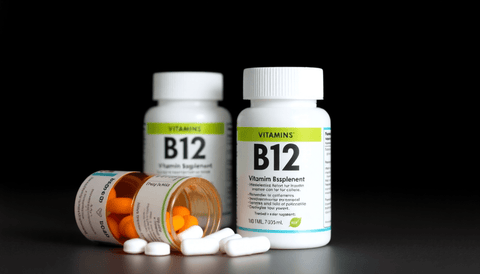
Rencontrez le booster d’énergie B12 — un produit conçu spécifiquement pour soutenir vos routines quotidiennes. Son designAllie lignes épurées et détails pratiques, créant un produit qui inspire confiance, que vous soyez à votre bureau, en déplacement ou au café. L’étiquette et la marque véhiculent une identité claire, vous permettant de repérer rapidement le booster d’énergie B12 dans un sac ou un tiroir encombré. La portabilité et l’utilisabilité sont au cœur du booster d’énergie B12. Sa forme compacte, son bouchon facile à utiliser et la typographie à contraste élevé sur l’étiquette garantissent une reconnaissance rapide et une manipulation simple. Disponible dans plusieurs coloris et finitions, la gamme vous permet de choisir un style qui correspond à votre esthétique personnelle. Intégrez le booster d’énergie B12 à votre journée en l’associant à vos essentiels quotidiens. Le produit est conçu pour se placer confortablement à côté de cahiers, chargeurs, clés et autres objets que vous transportez régulièrement. Cette page met en avant sa taille, son poids et la façon dont il s’intègre dans différents contexts — bureau, voyage, sac de sport — pour vous aider à imaginer où il trouve sa place dans votre routine. Explorez la gamme et trouvez la version qui vous convient. La famille du booster d’énergie B12 comprend plusieurs configurations et accessoires, avec des options d’achat et des ressources d’assistance listées ici. Utilisez cette page pour comparer les fonctionnalités, lire les spécifications du produit, et décider quelle option correspond à vos préférences.
Boosteur d'énergie B12 : Énergie rapide, durable et vitalité
Vitamin B12 is one of the most discussed nutrients when it comes to natural energy support. Often called the “energy vitamin,” it plays a critical role in how the body produces energy. However, its function is more nuanced than simply providing a quick boost. This page serves as a broad introduction to vitamin B12, its relationship to energy, and the main topics to explore when considering B12 supplementation. You will find an overview of what B12 does, how it relates to energy levels, important considerations about different forms and dosage, and answers to common questions—all while understanding that more specific topics have their own dedicated articles.
What Is Vitamin B12?
Vitamin B12, or cobalamin,is a water-soluble vitamin that is naturally present in some foods, added to others, and available as a dietary supplement. It is a complex vitamin that exists in several forms and is unique among vitamins because it contains a metal ion (cobalt). B12 is essential for numerous bodily functions, including DNA synthesis,red blood cell formation,and neurological function. The body requires B12 to convert certain carbohydrates into glucose, which is used for energy. However,the body can store B12 in the liver for years,and deficiency may develop gradually.
Does Vitamin B12 Really Give You Energy?
A common question is whether vitamin B12 really boosts energy. The answer requires some nuance. Vitamin B12 itself does not act as a stimulant like caffeine. Instead, it plays a vital role in cellular energy production. It helps the body convert food into glucose, which is used to produce ATP, the body's primary energy currency. Therefore, if you have a B12 deficiency, supplementing with B12 can help restore normal energy levels and reduce feelings of fatigue associated with that deficiency. However, for individuals who already have adequate B12 levels, taking extra B12 is unlikely to result in a noticeable increase in energy. The key distinction is that B12 energy support is most significant when addressing a deficiency, rather than acting as a direct energy booster for everyone.
Vitamin B12 deficiency can lead to megaloblastic anemia,a condition in which the body produces large, abnormal red blood cells that cannot carry oxygen effectively. This can cause symptoms like fatigue, weakness,pale skin,and shortness of breath. Over time, neurological symptoms such as tingling or numbness in the hands and feet, memory problems,and mood changes can also occur. If you are experiencing persistent fatigue,it may be worthwhile to discuss B12 testing with a healthcare professional to determine if a deficiency is present.
How B12 Contributes to Energy Metabolism
At the cellular level, B12 serves as a cofactor for two important enzymatic reactions. These reactions are critical for the metabolism of fatty acids and amino acids, and for the synthesis of DNA. One of these reactions, the conversion of methylmalonyl-CoA to succinyl-CoA,is particularly important for energy metabolism. This process links fat and protein metabolism to the citric acid cycle (Krebs cycle,, which generates ATP. Without sufficient B12, this pathway can become impaired,potentially affecting overall energy production. Furthermore, B12 works closely with folate (vitamin B9, to support red blood cell formation, which is essential for oxygen transport and energy delivery to tissues.
B12 Deficiency: Symptoms and Who Is at Risk?
Recognizing the signs of B12 deficiency is important because symptoms can be subtle and develop gradually. Common symptoms include:
- Fatigue and weakness
- Pale or jaundiced skin
- Shortness of breath and dizziness
- Numbness or tingling in hands and feet
- Cognitive difficulties, memory problems, or difficulty concentrating
- Mood changes, including irritability or depression
Certain groups may have an increased risk of B12 deficiency. This includes older adults, individuals with digestive disorders that affect absorption (such as Crohn's disease or celiac disease), people who have had gastrointestinal surgery, strict vegetarians and vegans, and those taking certain medications, such as proton pump inhibitors or metformin. If you fall into one of these categories, discussing your B12 status with a healthcare provider may be prudent.
Forms of Vitamin B12 in Supplements
When choosing a B12 supplement, you may encounter several different forms. The most common are cyanocobalamin and methylcobalamin. Here is a quick overview of the major differences:
- Cyanocobalamin: This is the synthetic form of B12 most commonly found in supplements and fortified foods. It is stable and cost-effective. The body must convert cyanocobalamin into the active forms, methylcobalamin and adenosylcobalamin, before it can be used. It contains a cyanide molecule, which is removed by the body and excreted, and is generally considered safe at typical supplement doses.
- Methylcobalamin: This is one of the naturally occurring, active forms of B12. It is directly used by the body for methylation reactions, which are important for neurological function and DNA synthesis. Some people prefer methylcobalamin due to its higher bioavailability,and it is a common choice for those seeking to support nerve health.
- Other forms: Adenosylcobalamin (the other active form,and hydroxocobalamin (a natural form produced by bacteria, are also used in some supplements. Hydroxocobalamin is sometimes used in injections.
The choice between these forms often comes down to personal preference, budget,and specific health goals. For general energy support, both cyanocobalamin and methylcobalamin can be effective, especially when addressing a deficiency. Neither form is inherently more “energizing”; their effectiveness hinges on whether a deficiency is present.
B12 Dosage and Supplementation Considerations
There is no single “ one-size-fits-all” dosage for vitamin B12. Recommended dietary allowances (RDAs, vary by age and life stage. However, for addressing a deficiency or supporting specific health needs, dosages can be significantly higher and are typically determined by a healthcare professional. For general wellness, B12 supplements are commonly available in strengths ranging from 250 mcg to 5,000 mcg. The body absorbs only a small percentage of very high doses,and it may store excess in the liver for later use.
When incorporating B12 into your routine, consider the following:
- Testing first: If you are concerned about your B12 levels, asking a healthcare provider for a blood test is the most reliable way to determine if you are deficient.
- Dietary sources: B12 is naturally found in animal products such as meat, fish,poultry, eggs,and dairy. Fortified foods, like some breakfast cereals and plant-based milk, can also provide B12, particularly for vegetarians and vegans.
- Absorption: B12 absorption involves a complex process in the stomach and small intestine. Factors like age and gut health can affect how well you absorb B12 from food and supplements.
- Sublingual forms: Some B12 supplements are designed to dissolve under the tongue for potential direct absorption into the bloodstream, though the scientific evidence on the clinical superiority of this method over swallowed tablets is mixed.
B12, Mood,and Anxiety
The relationship between B12 and mental health, including anxiety,is another area of interest. B12 plays a role in the production of neurotransmitters, such as serotonin and dopamine, which are involved in mood regulation. A deficiency in B12 has been linked to mood disturbances, and correcting that deficiency may support overall mental wellbeing in some cases. However, it is crucial to understand that B12 is not an anti-anxiety treatment. If you are experiencing significant anxiety or other mental health symptoms,it is essential to seek guidance from a qualified healthcare professional rather than relying solely on dietary supplements.
Exploring B12 and Energy Further
This page provides a foundational overview of vitamin B12 and its connection to energy. To dive deeper into specific questions, explore the related articles below the tag, which cover topics such as:
- Detailed analyses of specific B12 forms for energy support
- In-depth guides on B12 dosage for deficiency
- Discussions on B12's role in mood and mental health
- Comparisons of B12 supplements with other energy-supporting nutrients
Understanding the broader context of B vitamins can also be helpful. You can explore the full spectrum of B vitamins and their roles in energy metabolism through our comprehensive collection on Vitamin B benefits, sources,and safety. For those interested in broader energy support, our range of Vitamin C benefits for immunity and energy may also be relevant, as this nutrient also plays a role in overall vitality. And for a wider look at essential nutrients, the guide to multivitamins, ingredients,and usage offers a useful reference point.