What Does Bioavailability Mean and Why Should You Care?
The Simple Definition of Bioavailability
Bioavailability refers to the proportion of a nutrient you consume that actually enters your bloodstream and reaches the tissues where it can exert a biological effect. In simpler terms, it is the difference between what you swallow and what your body successfully uses. If you take a supplement and most of it passes through your digestive tract without being absorbed, that nutrient has low bioavailability in that specific form for you as an individual.
This concept matters because it separates intake from absorption. You may consume the recommended daily amount of a vitamin or mineral, yet still experience suboptimal status if your body cannot extract and use it efficiently. The science of bioavailability helps explain why two people consuming identical diets can have different blood levels of the same nutrient.
Why "100% Natural" Doesn't Mean "100% Absorbed"
Marketing labels often emphasize that a product is natural, organic, or derived from whole foods, but none of these claims guarantee superior absorption. A nutrient in its natural food matrix may have excellent bioavailability, or it may be bound to compounds that actually reduce uptake, such as phytates in whole grains or oxalates in spinach.
Conversely, some synthetic forms of vitamins are more bioavailable than their natural counterparts because they are chemically structured for efficient absorption or require fewer conversion steps in the body. The term natural tells you about origin, not about how effectively your digestive system can process the nutrient.
How Your Body Processes Supplements vs. Food
When you eat food, nutrients arrive alongside fiber, enzymes, and hundreds of other plant and animal compounds that can either help or hinder absorption. Your digestive system breaks down the food matrix gradually, releasing nutrients over time in a way that often supports steady uptake.
Supplements, by contrast, deliver concentrated nutrients in a format designed for rapid dissolution. This can be advantageous for correcting deficiencies, but it can also overwhelm absorption pathways. Some nutrients compete for the same transport proteins, and high doses from supplements may reduce the fraction actually absorbed even as the absolute amount absorbed increases.
How Bioavailability Works: From Pill to Nutrients
The Journey of a Nutrient Through Your Digestive System
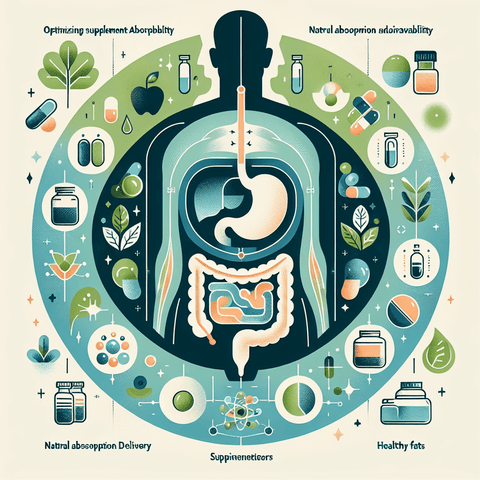
After you swallow a supplement, it travels to your stomach where acid and enzymes begin breaking down the capsule or tablet. Depending on the formulation, some nutrients require stomach acid for proper dissolution while others need to pass into the small intestine intact.
The small intestine is the primary site of nutrient absorption. Its lining contains microvilli, tiny finger-like projections that massively increase surface area. For a nutrient to enter your bloodstream, it must cross this barrier through passive diffusion, active transport, or carrier-mediated transport. The physical and chemical form of the nutrient determines which mechanism applies and how efficiently the crossing occurs.
Key Factors That Influence Nutrient Absorption
Several variables determine whether a nutrient successfully crosses the intestinal barrier. Nutrient form, particle size, and chemical structure matter substantially. Minerals bound to amino acids, for example, often absorb differently than their oxide or sulfate forms.
Your current nutritional status also plays a role. Many absorption mechanisms function homeostatically, meaning they increase when you are deficient and decrease when you already have sufficient stores. This regulatory system protects against toxicity but also means that taking more of a nutrient does not always result in greater absorption.
What is a "Carrier" and Why Does It Matter for Absorption?
Some nutrients cannot cross the intestinal wall alone. They require carrier molecules, which may be proteins, lipids, or other compounds that facilitate transport. For instance, curcumin's bioavailability is notoriously poor because it is rapidly metabolized and poorly absorbed without a delivery system.
This is why certain supplement formulations incorporate carriers such as phospholipids, which are fat-soluble molecules that can form complexes with nutrients and help them traverse cell membranes. Liposomal delivery wraps nutrients in lipid bilayers, mimicking cell membranes and potentially improving absorption. When you see these technologies mentioned on labels, the scientific rationale is to address a specific bioavailability limitation of the active ingredient.
Common Signs That Your Body Isn't Absorbing Nutrients Well
Digestive Discomfort After Taking Supplements
Feeling nausea, cramping, or bloating after taking a supplement may indicate that the nutrient form is irritating your digestive tract rather than being smoothly absorbed. Certain forms of magnesium, iron, and vitamin C are known to cause gastrointestinal distress in sensitive individuals.
This discomfort does not necessarily confirm that the nutrient is not being absorbed, but it does signal that your digestive system is struggling with the delivery format. Switching to a gentler form or taking the supplement with food may resolve these issues.
Lack of Noticeable Effects Despite Consistent Use
Supplements are not medications, and visible effects may take weeks or months to appear. However, if you have been taking a supplement consistently and blood work shows no improvement, poor bioavailability is one plausible explanation. This scenario warrants evaluation of the supplement form, dosage, timing, and potential interactions with other nutrients or medications.
The Difference Between Low Intake and Poor Absorption
If your diet is deficient in a nutrient, increasing intake through food or supplements should logically raise your status. When this does not happen, impaired absorption becomes a likely culprit. Conditions such as celiac disease, Crohn's disease, or even chronic low-grade gut inflammation can thicken the intestinal barrier or reduce the surface area available for nutrient uptake.
Establishing whether the problem is insufficient intake or inadequate absorption requires dietary assessment, symptom evaluation, and often targeted blood testing. The distinction matters because the solution differs: one calls for more nutritional support while the other may require addressing the underlying digestive issue first.
Why Your Bioavailability May Be Lower Than You Think
The Impact of Age on Nutrient Uptake
As you age, your stomach naturally produces less acid, a condition known as hypochlorhydria. Since stomach acid helps release minerals and vitamins from food and supplements, reduced acid production can directly lower absorption of nutrients such as vitamin B12, calcium, iron, and magnesium.
Slower gut motility and age-related changes in the intestinal lining further compound this issue. Older adults frequently need higher nutrient intakes not because their requirements increase dramatically, but because a smaller fraction of what they consume actually reaches circulation.
How Digestive Health and Gut Flora Affect Absorption
Your gut microbiome performs functions far beyond digestion. Beneficial bacteria synthesize certain vitamins, produce short-chain fatty acids that nourish the intestinal lining, and influence immune responses in the gut. When the balance of gut flora is disrupted through antibiotics, poor diet, or chronic stress, the integrity of the intestinal barrier can suffer.
A compromised gut barrier, sometimes described as increased intestinal permeability, may allow partially digested particles to enter the bloodstream while impairing the selective absorption of specific nutrients. Supporting digestive health through fiber, fermented foods, and proper hydration is therefore fundamental to optimizing bioavailability.
The Role of Medications in Depleting Nutrients
Common medications can interfere with nutrient absorption through several mechanisms. Proton pump inhibitors reduce stomach acid to dangerous levels when used long-term, impairing vitamin B12, magnesium, and mineral absorption. Metformin, widely prescribed for type 2 diabetes, is associated with vitamin B12 deficiency.
Some medications bind directly to minerals in the digestive tract, forming complexes that are too large to be absorbed. Calcium and iron, for example, are known to interact with thyroid medication, antibiotics, and bisphosphonates. If you take prescription medications, consider spacing your supplements several hours away from your medications and discussing potential nutrient depletion with your healthcare provider.
How Food Combinations Help or Hinder Absorption
Some nutrients enhance each other's absorption when consumed together. Vitamin C markedly increases iron absorption if taken simultaneously. Vitamin D improves calcium uptake. Healthy fats are required for the absorption of fat-soluble vitamins A, D, E, and K.
Other pairings reduce bioavailability. Tannins in tea and coffee bind iron, forming insoluble complexes that pass through unabsorbed. Zinc and copper compete for absorption sites, as do calcium and magnesium. Being thoughtful about which nutrients you combine in a meal or supplement routine can meaningfully shift how much of each you retain.
Lifestyle Habits That Reduce Bioavailability
Alcohol interferes with the absorption of B-complex vitamins, zinc, magnesium, and vitamin D while also stressing the liver, which activates many nutrients into their usable forms. Smoking depletes vitamin C and reduces the absorption of calcium and other minerals.
Chronic stress alters digestive secretions, reduces blood flow to the gut, and shifts the balance of the gut microbiome. Regular high-intensity exercise increases requirements for magnesium, B vitamins, and antioxidants because these nutrients are consumed at higher rates during physical activity.
Bioavailability Is Personal: Why One Size Doesn't Fit All
Genetic Variations That Affect Nutrient Metabolism
Genetic differences can fundamentally alter how your body handles nutrients. For example, approximately 40–60% of the population carries a variant in the MTHFR gene that reduces the conversion of folic acid into its active form, methylfolate. These individuals may benefit from supplementing the active form directly.
Similarly, certain gene variants affect vitamin D receptor sensitivity, ion channel function, and antioxidant enzyme activity. This explains why blood levels of a nutrient can vary significantly between two people who take the same supplement and consume similar diets.
Why Your Current Diet Changes How You Absorb Supplements
Your baseline diet determines how much of a supplemental nutrient your body actually needs and, therefore, how much it will absorb. If your diet already provides ample vitamin C, adding more through supplements will result in lower fractional absorption and increased urinary excretion rather than higher tissue levels.
Conversely, if you follow a diet low in a specific nutrient, your body ramps up absorption efficiency for that nutrient. This is why adding a supplement to an already sufficient diet may show little measurable benefit while correcting a genuine deficiency can produce dramatic improvements.
How Stress and Sleep Impact Your Digestive Efficiency
Your nervous system directly regulates digestion. When you are in a sympathetic, stress-dominant state, blood flow diverts away from the digestive tract and toward muscles and brain. Saliva production, stomach acid secretion, and gut motility all decrease under chronic stress.
Sleep supports every regenerative process in the body, including the repair of intestinal lining cells and the maintenance of gut mucosal immunity. Inadequate sleep has been associated with impaired nutrient absorption and increased intestinal permeability, meaning your supplement cannot work optimally when your body is sleep-deprived.
Food First: Maximizing Absorption Through Diet
Fat-Soluble Vitamins: Why You Need Fat to Absorb Them
Vitamins A, D, E, and K are lipophilic, meaning they dissolve in fat rather than water. For your intestine to absorb them, they must first be incorporated into micelles, structures formed when dietary fat is broken down by bile acids. Without sufficient fat in the meal, the majority of these vitamins may pass through unabsorbed.
This does not mean you need large amounts of fat. A small portion of avocado, olive oil, nuts, or full-fat dairy alongside your nutrient-dense vegetables is generally enough to support the micelle formation required for fat-soluble vitamin absorption.
Pairing Iron with Vitamin C: The Classic Absorption Hack
Iron from plant sources, known as non-heme iron, has notoriously low bioavailability due to its sensitivity to inhibitors. Consuming vitamin C simultaneously converts iron into a form that is more readily absorbed and can also overcome the inhibitory effects of phytates and tannins.
If you are increasing your iron intake through legumes, leafy greens, or supplements, adding a source of vitamin C such as citrus, bell peppers, or broccoli to the same meal is one of the most evidence-based strategies for improving uptake.
Phytates and Oxalates: Plant Compounds That Block Absorption
Phytates, found in whole grains, legumes, nuts, and seeds, are storage forms of phosphorus that bind strongly to minerals. When you consume phytates alongside calcium, iron, zinc, or magnesium, these minerals can form insoluble complexes that do not get absorbed.
Oxalates, present in spinach, rhubarb, beets, and Swiss chard, similarly bind calcium and reduce its absorption. Soaking, sprouting, and fermenting these foods reduces their phytate and oxalate content, which is why traditional food preparation methods contribute more to nutrient availability than many people realize.
Simple Meal Prep Strategies to Boost Nutrient Uptake
Soak legumes and grains overnight before cooking to activate enzymes that degrade phytates. Add fermented foods like sauerkraut or kimchi to meals to introduce beneficial bacteria that assist digestion. Combine iron-rich plant foods with vitamin C sources at the same meal. Include a source of fat whenever you consume leafy greens or orange vegetables rich in fat-soluble vitamins.
These small, practical adjustments require no special supplements and can independently improve how many nutrients you absorb from the foods you already eat.
The Role of Supplements in Supporting Nutrient Levels
When Supplements Are More Bioavailable Than Food
While whole foods remain the preferred nutritional source for most people, there are situations where supplements offer superior bioavailability. Folic acid from fortified foods is generally more bioavailable than natural folate from beans or leafy greens because it requires fewer conversion steps in the body.
Certain nutrients also exist in food in forms that are poorly absorbed. The iron in spinach is largely bound to oxalates, and vitamin B12 in plant foods is present in inactive analogues. In these cases, a bioavailable supplement form may provide a more reliable delivery of the nutrient than the natural food source alone.
Understanding the Difference Between Synthetic and Natural Forms
Synthetic nutrients are manufactured in laboratories and often have a different chemical structure than the nutrient found in food. Synthetic vitamin E, for example, may contain only one of several naturally occurring forms, and synthetic beta-carotene is structured differently from the beta-carotene in carrots.
In some cases, synthetic forms are better absorbed because they do not require enzymatic release from food matrices. In other cases, natural forms provide additional biologically active isomers that synthetic versions lack. Neither category is universally superior; each needs individual evaluation for its target nutrient and intended use.
How Supplemental Fiber and Probiotics Support Nutrient Absorption
Fiber feeds beneficial gut bacteria and supports regular elimination, both of which contribute to digestive efficiency. Probiotics introduce live microorganisms that help maintain a healthy gut environment, potentially reducing the low-grade inflammation that impairs absorption.
These digestive-supporting supplements work at a foundational level rather than targeting a specific nutrient. If poor absorption is rooted in gut dysbiosis or chronic digestive discomfort, combining probiotics or fiber with other supplements may address the cause of low bioavailability rather than compensating for it.
When Should You Consider a Bioavailability-Focused Supplement?
Restrictive Diets and Food Avoidances
People following vegan, vegetarian, gluten-free, or low-histamine diets often have specific nutrient gaps. Vegans have higher risk of vitamin B12, iron, zinc, calcium, and DHA deficiency because these nutrients are primarily found in animal products or must be consumed in significantly higher amounts to account for lower absorption from plant sources.
If you avoid entire food groups, carefully evaluating your diet for missing nutrients and considering targeted supplementation is prudent. A bioavailability-focused formula may be particularly beneficial for nutrients that are inherently harder to absorb, such as iron from plant sources.
High-Nutrient Needs: Pregnancy, Athletes, and Recovery
Pregnancy increases requirements for folic acid, iron, calcium, and vitamin D beyond what most diets provide comfortably. Athletes may need more magnesium, sodium, potassium, B vitamins, and protein to support training adaptations and recovery. People recovering from surgery, illness, or injury often require higher protein and micronutrient intakes to support tissue repair.
These high-demand states justify a more careful approach to nutrient delivery. Meeting elevated needs through food alone becomes mathematically challenging, and choosing bioavailable forms may make a clinically meaningful difference.
Chronic Digestive Conditions That Impair Absorption
Inflammatory bowel disease, celiac disease, chronic gastritis, and irritable bowel syndrome can all reduce nutrient absorption through inflammation, damage to intestinal villi, or increased transit time. In these conditions, even an excellent diet may not deliver nutrients effectively because the absorptive surface is compromised.
For this population, supplement forms that bypass some digestive step or that are absorbed directly across the oral mucosa may be appropriate. A gastroenterologist or registered dietitian should be involved in these decisions because the underlying condition requires medical management as well.
The Distinction Between Nutritional Support and Medical Treatment
Supplements provide nutrients that support normal physiological function. They are not designed to treat, cure, or prevent disease. If you have been diagnosed with a deficiency, malabsorption condition, or chronic disease, supplements should be part of a broader medical treatment plan rather than a replacement for it.
Blood tests, clinical examination, and professional interpretation are necessary to distinguish genuine nutrient deficiencies from vague symptoms that may have other causes. Self-diagnosing low bioavailability based on how you feel can lead to unnecessary supplement purchases and delays in addressing the actual issue.
How to Choose a Supplement With High Bioavailability
The Most Absorbable Forms of Common Nutrients
Evidence supports better absorption for certain forms over others. Magnesium glycinate and magnesium citrate are generally more absorbable than magnesium oxide. Chelated minerals, where the mineral is bound to an amino acid, usually offer improved absorption over oxide salts.
Vitamin D3 is better absorbed than D2, and methylated B-vitamins such as methylfolate and methylcobalamin may be more effective than their synthetic counterparts, particularly in individuals with genetic variations affecting methylation. Vitamin K2 is more bioavailable than K1 for bone and cardiovascular delivery, though both are absorbed well.
Chelated Minerals vs. Oxide Forms: What the Labels Really Mean
Mineral bioavailability depends heavily on the compound to which the mineral is attached. Oxide forms, such as magnesium oxide and zinc oxide, are inexpensive to manufacture but are generally poorly absorbed because they require stomach acid to dissolve and can remain largely undissolved.
Chelated minerals are bound to amino acids or other organic molecules, which protects them from interacting with dietary inhibitors and facilitates their passage through the intestinal wall. If you are taking a mineral supplement and notice low changes in blood levels despite consistent use, switching to a chelated form may be worth considering.
Co-Factors and Activators: Why Combinations Matter
Some nutrients cannot perform their functions without specific co-factors. Vitamin D requires magnesium and vitamin K2 for proper calcium metabolism. Homocysteine metabolism requires vitamin B6, vitamin B12, folate, and choline. Antioxidant enzymes depend on selenium, zinc, and manganese.
When choosing a supplement, consider whether it contains the co-factors needed for the nutrient to function. Alternatively, assess whether your diet already provides those supporting nutrients, and supplement only what is missing.
Understanding Phospholipids, Liposomal Delivery, and Time-Release Technology
Phospholipid delivery systems bind nutrients to phospholipid molecules, which can improve absorption and protect the nutrient from degradation in the digestive tract. This method is used for curcumin, resveratrol, and some flavonoids.
Liposomal delivery encapsulates nutrients within lipid bilayer spheres that are similar to cell membranes. This allows more of the nutrient to pass through the intestinal wall intact. Time-release technology spreads the dose over several hours, which may be beneficial for nutrients that are rapidly excreted or that cause digestive discomfort when taken in large single doses.
Capsules, Powders, or Liquids: Which Format Absorbs Best?
Absorption differences between capsules, powders, and liquids are generally small and nutrient-specific. Liquids are already dissolved, so they do not require dissolution in the stomach, which may benefit people with low stomach acid. Powders offer flexible dosing and avoid the use of capsules, which may contain fillers or animal-derived gelatin.
Capsules largely protect the contents and are convenient, but dissolution time depends on the capsule material. Vegetable-based capsules generally dissolve faster than some enteric-coated tablets. The format matters less than whether the nutrient is in a chemically bioavailable form and whether you can take it consistently.
What to Look For on a Supplement Label
Reading the Supplement Facts Panel for "Elemental" vs. "Compound" Weight
Mineral supplements list both the compound weight and the elemental weight. Elemental weight refers to the actual amount of the mineral available for absorption, not the total weight of the mineral salt. For example, magnesium glycinate contains approximately 14% elemental magnesium by weight.
If a label states "Magnesium Oxide 400 mg," the elemental magnesium may only be 60% of that amount. Verify the elemental value to compare product doses accurately.
Understanding "Proprietary Blends" and Hidden Ingredient Amounts
Manufacturers may use the term proprietary blend to protect their specific combination of ingredients, but this also means the label does not have to list individual ingredient amounts. While this can protect proprietary formulations, it also makes it impossible to evaluate dosages.
A transparent label lists the exact amount of each active ingredient. If you care about achieving a specific effective dose of a nutrient, be cautious with formulas that rely on blends without disclosing quantities.
Third-Party Testing Seals and What They Certify
Third-party testing by organizations such as USP, NSF International, or Informed Choice verifies that a product contains what the label claims, does not contain harmful contaminants, and is manufactured under good manufacturing practices. These seals are most important for consumers who want assurance of quality and purity.
Keep in mind that third-party testing does not confirm clinical efficacy or bioavailability. It certifies product quality but not superiority over other products.
Red Flags in Ingredient Lists: Fillers, Flow Agents, and Artificial Coatings
Excipients including magnesium stearate, silicon dioxide, and titanium dioxide are commonly used as lubricants or coatings in supplement manufacturing, but they provide no nutritional value. Some individuals prefer to avoid these ingredients due to digestive irritation or general reluctance to consume unnecessary additives.
Artificial colors and aggressive enteric coatings can interfere with absorption. Capsules made from gelatin may not suit vegetarians or vegans. Read the ingredient list carefully for unnecessary additives, and verify that the product aligns with your dietary requirements.
Allergen Information and Vegan or Vegetarian Certifications
Supplements may contain common allergens such as soy, dairy, gluten, shellfish, or tree nuts. If you have sensitivities, check allergen statements carefully. Vegan and vegetarian certifications confirm whether the capsules are plant-based and whether any animal-derived ingredients are avoided.
Certification labels are voluntary, and many brands choose not to display them even when their products qualify. Contact the manufacturer directly if allergen or dietary suitability information is unclear.
Who Is Most Likely to Benefit From Higher-Bioavailability Formulas?
Older Adults With Reduced Stomach Acid
Declining stomach acid production is one of the most common age-related changes that compromises nutrient absorption. Bioavailable forms that do not depend on extensive stomach acid for dissolution may improve absorption in this population.
Methylated B vitamins, chelated minerals, and liposomal preparations are relevant examples. Discuss supplement choices with a pharmacist or doctor who knows your full medical history.
Individuals With Inflammatory Bowel Conditions
Conditions that inflame the intestinal lining require more supportive nutritional strategies. Smaller, well-absorbed nutrient forms reduce the burden on a sensitive gut while increasing delivery efficiency. Working with a dietitian can help identify which forms are best tolerated and absorbed.
In severe cases, intravenous nutrient administration may be necessary, making supplements inadequate on their own. Professional supervision is essential.
People on Long-Term Medication Protocols
Long-term use of medications that reduce stomach acid, diuretics, or blood sugar-lowering drugs can deplete specific nutrients over time. This is particularly relevant with vitamin B12, magnesium, potassium, and zinc. Blood monitoring and targeted supplementation under medical supervision are appropriate.
The goal of these interventions is maintaining adequate nutrient status, not correcting a disease. Regular follow-up ensures that the supplementation is working and that no harmful excess develops.
When Blood Work Indicates a Deficiency Despite Good Dietary Habits
A normal diet that meets most guidelines combined with a deficiency in blood levels points strongly to an absorption or metabolism problem. This is the clearest scenario where a higher-bioavailability formula is justified, assuming that the underlying cause of malabsorption has been evaluated.
Do not guess at the cause. Request the appropriate lab tests to confirm the deficiency, identify contributing factors, and measure the effectiveness of your chosen supplement over time.
Safety First: Absorption, Overload, and Interactions
Can High Bioavailability Lead to Nutrient Toxicity?
Improved bioavailability increases the amount of a nutrient that reaches your bloodstream, which is the desired effect but also raises the risk of excessive intake. Fat-soluble vitamins A, D, E, and K accumulate in body tissues and can reach toxic levels with high-dose supplementation.
Minerals such as iron and selenium have narrow safety margins. Enhanced absorption forms of these minerals should be dosed carefully and ideally under professional supervision. Always respect the upper intake levels established by health authorities.
Common Medication Interactions With Fat-Soluble Vitamins and Minerals
Vitamin K interacts with blood-thinning medications. Calcium can reduce the absorption of thyroid medication and some antibiotics. Zinc and magnesium may interfere with certain medications for high blood pressure or osteoporosis.
Space supplements and medications by at least two hours to minimize these interactions where possible. Always review your complete supplement and medication list with a pharmacist or physician.
Who Should Consult a Doctor Before Changing Their Supplement Routine?
Pregnant or breastfeeding women, people with chronic kidney or liver disease, individuals on anticoagulant or chemotherapeutic medications, and anyone preparing for surgery should seek professional guidance before changing their supplement routine.
Even for generally healthy adults, high-dose supplementation of any nutrient deserves basic precaution. More is not necessarily better when it comes to vitamins and minerals.
Making an Informed Decision: Diet vs. Supplements
Three Questions to Ask Yourself Before Buying a Supplement
First, have I evaluated my actual nutrient intake? Keeping a food diary for a few days and comparing your typical diet to daily requirements gives you objective data rather than guessing based on symptoms. Second, does my situation create a specific need that food cannot reasonably meet? This may include pregnancy, diagnosed deficiency, medication-induced depletion, or a restrictive dietary pattern.
Third, have I considered the form and dosage carefully? Choose a supplement form that matches your body's needs, your absorption capacity, and your health condition. Buying a supplement you have not evaluated just because a deficiency seems possible is not a nutrition strategy; it is guesswork.
How to Calculate Whether Your Diet Already Meets Your Needs
First, identify the recommended daily allowance for the nutrient you are concerned about. Second, tally your typical intake from food over several days using a credible nutrition tracking app or reference tool. This gives you a rough baseline.
If your intake consistently meets or exceeds the recommended amount but you still suspect insufficiency, testing may be more useful than more supplementation. Lab reference ranges and individual factors matter, so professional interpretation of any blood work is essential.
Why You Should Look at Your Whole Diet Before Adding Single Nutrients
Nutrients operate in complex webs, and adding a single nutrient in high doses can inadvertently affect others. High zinc intake can deplete copper. High calcium intake may decrease magnesium absorption. These micronutrient balances are best evaluated within the larger pattern of your diet.
A balanced diet with a wide variety of fruits, vegetables, whole grains, legumes, nuts, and proteins is still the most reliable foundation for micronutrient adequacy. Supplements address specific gaps, not general nutritional mediocrity.
Practical Steps to Test and Adjust Your Supplement Plan
Work with a registered dietitian or physician to design a targeted supplement protocol based on your diet, lifestyle, medical history, and laboratory results. Re-test at appropriate intervals to confirm the supplement is having the intended effect.
Adjust dosages based on objective results rather than subjective feelings. If a nutrient level does not improve after several months of adequate intake, increase the dose carefully, change the form, or investigate absorption barriers more deeply.
The Bottom Line on Bioavailability
The Key Takeaway: Form, Food, and Your Individual Context Matter
Bioavailability is not a fixed property of a nutrient but a dynamic outcome shaped by the nutrient's chemical form, the food or supplement matrix, your digestive health, genetics, and lifestyle. What works for one person may be inadequate for another.
Understanding bioavailability empowers you to make smarter choices about both diet and supplements. It explains why standardized nutrition advice does not work for everyone and why personalized approaches are increasingly recognized as necessary.
How to Use This Information to Choose Your Next Supplement Wisely
Before your next supplement purchase, evaluate your own baseline first. Review your diet, sleep, stress, gut health, medication use, and lab values. Then identify the simplest adjustment that addresses the root issue, focusing on food first and supplementing only specific, evidence-based gaps.
Choose supplement forms with documented absorption advantages when you have a genuine need for improved bioavailability. Read labels critically, and consult professionals when in doubt. High-quality supplementation respects your body's complexity rather than overriding it.
Key Takeaways
- Bioavailability is the amount of a nutrient that enters circulation and becomes available for physiological function, not simply the amount you ingest.
- Poor absorption can exist even when dietary intake seems adequate, and symptoms alone cannot reliably confirm a deficiency.
- The chemical form of nutrients, such as chelated minerals versus oxide forms, significantly affects absorbability.
- Age, digestive health, medication use, stress, sleep, and genetics are important individual variables influencing nutrient uptake.
- Food-based strategies like pairing iron with vitamin C and consuming fat with fat-soluble vitamins are evidence-based ways to improve absorption naturally.
- Supplements can be more bioavailable than food in specific situations, particularly where deficiency is established or intake is limited by dietary restrictions.
- Read labels carefully, focusing on elemental mineral doses, proprietary blends, third-party testing, and unnecessary additives.
- Higher bioavailability increases both benefit and risk; upper intake levels for several nutrients should always be respected.
- Professional guidance through dietary assessment, testing, and medication review is advisable before major changes to your supplement routine.
Frequently Asked Questions
What is bioavailability in nutrition?
Bioavailability refers to the proportion of a nutrient that is digested, absorbed, and available for use in physiological functions. It measures actual absorption, not just consumption, and varies based on the nutrient form and individual digestive efficiency.
Which supplements have poor bioavailability?
Magnesium oxide and other mineral oxide forms are absorbed poorly. Curcumin, coenzyme Q10, and some plant polyphenols also have inherently low bioavailability due to poor solubility. Nutrients with poor absorption can be improved through specific delivery systems.
What improves bioavailability?
Consuming nutrients in recommended combinations, such as vitamin C and iron together, or fat with fat-soluble vitamins, improves uptake. Choosing chelated minerals, methylated B-vitamins, and active nutrient forms can make an additional difference when supplementation is necessary.
How can I increase nutrient absorption from food?
Soak and sprout grains and legumes to reduce phytates, pair iron-rich plant foods with vitamin C, include a source of fat with fat-soluble vitamins in each meal, and chew thoroughly. Fermented foods can also benefit gut flora, which supports absorption.
Do multivitamins have good bioavailability?
It depends on the vitamins and minerals included, as well as their forms. High-quality multivitamins usually contain better-absorbed forms like magnesium glycinate and methylated B vitamins, but many inexpensive products use oxide forms that are poorly absorbed. Read the label carefully.
Which nutrients have low absorption from food sources?
Iron from plant foods, vitamin B12 from plant sources, zinc from phytate-rich legumes and grains, and beta-carotene from raw vegetables are relatively poorly absorbed. Bioavailability can be improved through food preparation and combining with enhancer nutrients.
Does cooking increase bioavailability?
Yes, cooking often improves bioavailability by breaking down cell walls in plant foods, releasing bound nutrients, and reducing antinutrient compounds like phytates and oxalates. The largest improvement is seen with lycopene, beta-carotene, and certain minerals.
Can you take too much of a bioavailable supplement?
Yes. Higher bioavailability means more of the nutrient reaches your bloodstream, which increases the risk of exceeding safe levels. Fat-soluble vitamins and minerals like iron and selenium carry the greatest risk of toxicity.
How long does it take to correct a deficiency with bioavailable supplements?
It can take weeks to months depending on the nutrient, the degree of deficiency, and individual absorption capacity. Re-testing after a defined period is advisable to confirm the supplement worked and to adjust dosage.
Should I take supplements with food or on an empty stomach?
Most vitamins and minerals are best absorbed with food to provide better digestive context and avoid stomach irritation. Fat-soluble vitamins specifically require some dietary fat. Some probiotics and enzymes are best taken on an empty stomach, so check the label guidance.
Does everyone need a bioavailability-focused supplement?
No. Many people meet their nutritional needs through a balanced and varied diet. Bioavailability-focused supplements are most relevant for those with diagnosed deficiencies, digestive disorders, restrictive diets, medication-induced depletion, or elevated physiological requirements.
What is liposomal delivery in supplements?
Liposomal supplements encase active nutrients in lipid bilayers, which protect them from stomach acid and facilitate their transport across the intestinal wall. This technology primarily aims to improve absorption and reduce digestive discomfort.
Related Keywords
- bioavailability
- nutrient absorption
- supplement absorption
- bioavailable vitamins
- chelated minerals
- fat-soluble vitamins
- elemental mineral dosage
- micronutrient transport
- digestive absorption factors
- liposomal delivery systems
- oral supplement efficacy
- nutrient uptake efficiency