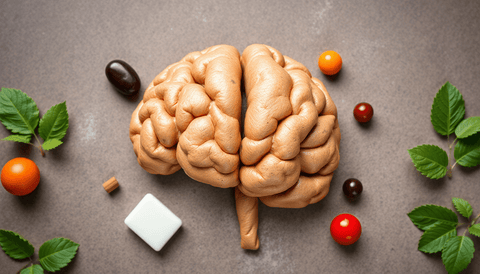
Déverrouillez la concentration et la mémoire : les meilleurs suppléments pour la santé du cerveau


Bienvenue dans notre guide sur les compléments pour la santé cérébrale. Cette page se concentre sur le paysage des compléments pour la santé du cerveau, en mettant l'accent sur des ingrédients soutenus par la science, des avis impartiaux et des conseils pratiques pour choisir les bons stimulants. Notre objectif est d'aider les lecteurs à comprendre comment l'évidence est évaluée et ce qu'il faut rechercher lors de l'évaluation des produits, sans promettre de résultats spécifiques. Les ingrédients soutenus par la science jouent un rôle central dans les discussions sur les compléments pour la santé cérébrale. Dans ce domaine, des ingrédients tels que la citicoline (CDP-choline), la phosphatidylsérine, les acides gras oméga-3, Bacopa monnieri, L-theanine et la caféine sont fréquemment examinés dans la recherche évaluée par des pairs. Nous présentons comment les chercheurs évaluent ces ingrédients, en incluant la conception des études, les populations étudiées, les plages de dosage et la durée des études. L'accent est mis sur la description du paysage des preuves et la qualité des résultats plutôt que sur l'approbation d'un effet particulier. Les avis impartiaux constituent une partie essentielle de notre approche concernant les compléments pour la santé cérébrale. Nous visons la transparence et l'équilibre en examinant la recherche indépendante, en divulguant les sources de financement, et en rapportant à la fois les forces et les limites des preuves disponibles. Les avis doivent inclure des listes complètes d'ingrédients, préciser le niveau de preuve soutenant les revendications, et prendre en compte les biais potentiels dans les données. En offrant des résumés équilibrés, nous visons à doter les lecteurs d'une compréhension claire de l'état actuel des connaissances sur les compléments pour la santé cérébrale. Lors du choix des stimulants, les considérations pratiques sont importantes. Recherchez des listes d'ingrédients claires, des dosages divulgués, et des revendications soutenues par des sources crédibles. Favorisez les produits qui subissent des tests par des tiers et qui possèdent des certifications de qualité, et prêtez attention à la stabilité de la formulation et au statut réglementaire dans votre région. Considérez les notes de sécurité et d'éventuelles interactions avec des médicaments. En appliquant une approche prudente et basée sur l’évidence, vous pouvez comparer les options dans le domaine des compléments pour la santé cérébrale et prendre des décisions éclairées.


Vitamins for Brain Health and Memory Support | Topvitamine - Topvitamine
29 August 2025
Les compléments pour la santé du cerveau peuvent compléter une alimentation équilibrée lorsqu’un apport nutritionnel est insuffisant, mais aucun produit ne constitue une solution universelle pour la mémoire ou la prévention de la démence. Ce guide passe en revue les vitamines du groupe B, la vitamine D, les oméga-3 et certaines plantes, tout en présentant les critères de choix, les limites des preuves et les précautions liées aux médicaments et aux situations particulières.
The Surprising Benefits of Omega-3 Supplements for Everyday Wellness - Topvitamine
25 August 2025
Les oméga-3 sont des acides gras essentiels présents dans certains poissons, huiles et graines. L’EPA et le DHA participent notamment au fonctionnement normal du cœur et du cerveau, tandis que l’ALA contribue à l’apport alimentaire en oméga-3. Cet article explique leurs rôles possibles, les différences entre EPA et DHA, les critères de choix d’un complément et les précautions à connaître.

Brain health supplements represent a broad category of products intended to support cognitive functions like memory, focus, and mental clarity. This guide provides an overview of this topic, explaining what these supplements are, the types of ingredients commonly found in them, and how to approach product selection with a focus on evidence and safety.

What Are Brain Health Supplements?

Brain health supplements are dietary products formulated with vitamins, minerals, herbal extracts, amino acids, or other compounds. They are designed to provide nutrients that may play a role in maintaining normal brain function. This category is distinct from pharmaceuticals; supplements are not intended to diagnose, treat, cure, or prevent any disease. Instead, they are used to fill nutritional gaps or to provide specific compounds that are studied for their potential effects on cognitive processes.

The market for these products is broad, ranging from single-ingredient supplements to complex formulations. Understanding the role of each ingredient and the quality of evidence behind it is essential for making informed choices.

Common Ingredients in Brain Health Formulas

Several ingredients are frequently found in brain health supplements. These ingredients have been studied to varying degrees for their potential roles in supporting cognitive health.

  • Omega-3 fatty acids (EPA and DHA, commonly from fish oil): Structural components of cell membranes, particularly DHA, which is abundant in brain tissue.
  • B vitamins: Including B6, B9 (folate, and B12, which are involved in homocysteine metabolism and neurotransmitter synthesis.
  • Vitamin E: An antioxidant that helps protect cells from oxidative stress.
  • Phosphatidylserine: A phospholipid component of cell membranes, studied for its potential role in memory function.
  • Citicoline (CDP-choline): A compound that may support acetylcholine production, a neurotransmitter involved in learning and memory.
  • Botanical extracts: Such as Bacopa monnieri, ginkgo biloba, and Panax ginseng, which have traditions of use and varying levels of scientific study.
  • L-theanine and caffeine: Often combined for their potential synergistic effects on alertness and focus.

For more detailed information on specific nutrient categories, you can explore our omega-3 supplements or our section on B vitamins.

How to Evaluate the Evidence

The effectiveness of a brain health supplement depends largely on the quality of scientific evidence supporting its ingredients. Not all ingredients have the same level of research backing.

When evaluating evidence, consider these factors:

  • Study design: Placebo-controlled, double-blind trials are generally considered more reliable than observational studies or anecdotal reports.
  • Population studied: Results may not be generalizable if the study was conducted on a specific group (e.g., older adults with memory complaints) rather than healthy individuals.
  • Dosage and duration: The amount of ingredient used and how long participants took it are critical for understanding whether a product is likely to have an effect.
  • Consistency of findings: Replication of results across multiple independent studies strengthens the overall evidence.

It is also important to distinguish between evidence that a nutrient is necessary for normal brain function and evidence that taking more of that nutrient will improve cognition beyond normal levels.

Practical Tips for Choosing a Product

Choosing a brain health supplement involves more than just looking at the ingredient list. Consider these practical steps:

  1. Read the full ingredient label: Check for exact dosages of active ingredients. Avoid proprietary blends that do not disclose individual amounts.
  2. Look for third-party testing: Certifications from independent organizations can indicate that the product meets quality standards for purity and potency.
  3. Check for quality certifications: Look for seals like GMP (Good Manufacturing Practice) or USP (United States Pharmacopeia).
  4. Consider formulation stability: Some ingredients may degrade over time. A reputable manufacturer will ensure proper stability testing.
  5. Review safety information: Be aware of potential side effects and interactions with medications. Always consult a healthcare professional before starting any new supplement, especially if you have underlying health conditions.

For a broader understanding of ingredient safety and sourcing, you may find our herbal supplements guide useful for context.

Common Questions About Brain Supplements

People often have questions about the overall usefulness of these products. Here are some high-level points to consider:

  • There is no single 'number one' brain supplement. The effectiveness of any product depends on its formulation, the quality of its ingredients, and the individual's nutritional status and health.
  • A balanced diet, regular exercise, adequate sleep, and mental stimulation are foundational for cognitive health. Supplements may play a supporting role but are not a substitute for a healthy lifestyle.
  • Interest in and willingness to try supplements is individual. A careful, evidence-based approach is the most reliable way to navigate the market.

This page serves as a starting point for understanding brain health supplements. For more specific information about a particular ingredient, a specific health concern, or a product comparison, explore the related articles listed on this page.