
Les aliments riches en caroténoïdes désignent une large famille d'aliments d'origine végétale qui contiennent une haute concentration de caroténoïdes, ces pigments colorés que l'on trouve dans de nombreux fruits, légumes et produits préparés. Cette page se concentre sur l'idée des aliments riches en caroténoïdes et sur la manière dont cette description peut influencer vos habitudes alimentaires quotidiennes. En mettant l'accent sur une caractéristique plutôt que sur un seul aliment, vous verrez comment la couleur, la variété et la saisonnalité se combinent pour élargir vos options de repas. Les caroténoïdes sont des composés naturels présents dans les plantes, avec des exemples bien connus tels que la bêta-carotène, la lutéine, la zéaxanthine et le lycopène, qui contribuent à une gamme de teintes. En nutrition, ces composés sont étudiés comme des éléments qui enrichissent le profil nutritif des aliments. Comprendre quels aliments entrent dans la catégorie des aliments riches en caroténoïdes peut aider à planifier ses repas de manière réfléchie et équilibrée, sans les relier à un résultat santé précis. Pour incorporer facilement des aliments riches en caroténoïdes dans votre alimentation quotidienne, essayez de composer une assiette colorée à chaque repas, en mélangeant des ingrédients végétaux aux différentes couleurs et textures. Gardez à portée de main une petite sélection d'options variées, et envisagez des stratégies de préparation en grande quantité pour que les ingrédients colorés soient prêts à l’emploi. Lors de la cuisson, ajouter une petite quantité de graisse saine peut faciliter la préparation et la dégustation de ces aliments, et privilégier des méthodes de cuisson qui préservent leur couleur vive peut rendre ces ingrédients plus attrayants. Cette page offre des conseils pratiques pour reconnaître et intégrer les aliments riches en caroténoïdes dans votre routine. Elle met en avant un ensemble sélectionné d’idées et de techniques pour apporter de la couleur, de la variété et de la texture à vos repas quotidiens, en mettant l’accent sur le mot-clé « aliments riches en caroténoïdes ». Découvrez comment organiser vos courses, planifier vos repas et créer des ajouts rapides et colorés qui s’adaptent à votre rythme au jour le jour.
Aliments riches en caroténoïdes : 12 superaliments pour renforcer les yeux, la peau et l'immunité
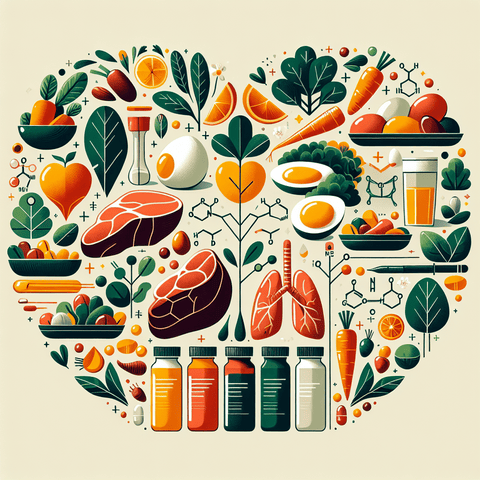
Carotenoid-rich foods are plant-based foods that naturally contain carotenoids, a group of pigments responsible for many of the yellow, orange and red hues in fruits, vegetables and other plant sources. Common examples include beta-carotene, lycopene, lutein and zeaxanthin. These compounds are part of the wider nutrient profile of plant foods and are often discussed in the context of colorful, varied eating patterns.
This tag page provides a broad overview of carotenoid-rich foods, including the main types of carotenoids, common food sources, practical ways to include them in meals and important considerations around absorption and dietary variety. It is intended as a starting point for understanding the topic rather than as personalized medical or nutritional advice.
Understanding Carotenoids
Carotenoids are fat-soluble pigments produced by plants, algae and some fungi. They contribute to the color of many familiar foods and are often grouped into two broad categories: carotenes and xanthophylls. Carotenes include compounds such as beta-carotene and lycopene, while xanthophylls include lutein and zeaxanthin.
In nutrition, carotenoids are studied for their presence in plant foods and their potential roles in the body. Some carotenoids, such as beta-carotene, can be converted into vitamin A, while others are not converted but are still found in tissues such as the eye. These functions are complex, and individual needs vary. For general educational context, it may help to explore broader resources on vitamin A benefits, sources and safety.
Main Types of Carotenoids
Different carotenoids are found in different foods and are often associated with particular colors or plant families. The table below introduces some of the most commonly discussed carotenoids.
- Beta-carotene: found in orange and yellow vegetables and fruits such as carrots, sweet potatoes, pumpkin and apricots. It is one of the carotenoids that can be converted into vitamin A.
- Lycopene: responsible for the red color of tomatoes, watermelon, pink grapefruit and some other red or pink plant foods.
- Lutein and zeaxanthin: found in dark leafy greens such as spinach, kale and collard greens, as well as in corn, egg yolks and some other foods. These carotenoids are often discussed in relation to eye health.
- Alpha-carotene: found in carrots, pumpkin, winter squash and some dark leafy greens.
- Beta-cryptoxanthin: found in foods such as oranges, tangerines, papaya, red peppers and persimmons.
Common Carotenoid-Rich Foods
Many colorful plant foods contain carotenoids, though the types and amounts vary. The following list groups common carotenoid-rich foods by food category.
- Orange and yellow vegetables: carrots, sweet potatoes, pumpkin, winter squash, yellow peppers.
- Dark leafy greens: spinach, kale, collard greens, Swiss chard, turnip greens, romaine lettuce.
- Red and pink vegetables and fruits: tomatoes, watermelon, pink grapefruit, red peppers, guava.
- Orange fruits: apricots, mango, papaya, persimmons, cantaloupe.
- Other plant sources: corn, egg yolks, seaweed, and certain edible flowers and herbs.
Some foods are especially well known for specific carotenoids. For example, tomatoes and tomato products are often highlighted for lycopene, while spinach and kale are frequently mentioned for lutein and zeaxanthin. Carrots and sweet potatoes are commonly associated with beta-carotene.
Carotenoid Content and Serving Sizes
Carotenoid content in foods can vary based on variety, growing conditions, ripeness, storage and preparation. The table below provides a general overview of some commonly discussed carotenoid-rich foods. It is not a complete database and should be used as a broad reference rather than a precise measurement.
- Carrots: commonly associated with beta-carotene and alpha-carotene; often enjoyed raw or cooked.
- Sweet potatoes: frequently mentioned for beta-carotene; typically served cooked.
- Spinach: a source of lutein, zeaxanthin and beta-carotene; can be eaten raw or cooked.
- Kale: contains lutein, zeaxanthin and beta-carotene; often eaten cooked or raw.
- Tomatoes: well known for lycopene; lycopene may be more available from cooked tomato products than from raw tomatoes in some cases.
- Watermelon: contains lycopene; commonly eaten fresh.
- Red peppers: contain beta-cryptoxanthin and other carotenoids; can be eaten raw or cooked.
- Corn: contains lutein and zeaxanthin; often eaten cooked.
- Egg yolks: contain lutein and zeaxanthin; commonly eaten cooked.
For those interested in broader plant-based nutrition, the superfoods guide provides additional context on nutrient-dense foods and EFSA-approved claims.
How Carotenoids Are Absorbed
Carotenoids are fat-soluble, which means their absorption can be influenced by the presence of dietary fat. Eating carotenoid-rich foods with a modest amount of fat, such as olive oil, avocado, nuts, seeds or dairy, is a common culinary practice. This does not guarantee a specific level of absorption, but it is a practical consideration when preparing meals.
Cooking can also affect carotenoid availability. In some cases, cooking and processing can make certain carotenoids more accessible, while in other cases, raw foods may retain higher levels of certain compounds. For example, lycopene from cooked tomato products is often discussed as being more available than from raw tomatoes, while lutein and zeaxanthin are found in both raw and cooked leafy greens. These differences are normal and suggest that a mix of raw and cooked plant foods can be a practical approach.
Practical Ways to Include Carotenoid-Rich Foods
Adding more carotenoid-rich foods to daily meals can be simple and flexible. The following ideas may help.
- Build colorful plates: aim for a mix of colors at meals, such as green, orange and red.
- Keep a rotation of options: fresh, frozen and pantry-friendly fruits and vegetables can all contribute.
- Pair with fat: add a drizzle of olive oil, avocado, nuts or seeds to salads and cooked vegetables.
- Try simple meal ideas: add spinach to soups, top oatmeal with apricots, include tomato sauce in pasta dishes or snack on carrot sticks with hummus.
- Batch-prep: wash and chop vegetables in advance so they are ready to use during busy days.
These suggestions are general and can be adapted to individual preferences, cultural food patterns and dietary needs.
Carotenoids, Supplements and Broader Nutrition
Carotenoids are available from food sources, and some supplement products may also contain individual carotenoids or mixed carotenoid blends. Supplement use is a personal choice, and it is important to consider that supplements are not a substitute for a varied diet. Anyone considering a supplement may wish to consult a qualified healthcare professional, especially if they take medications or have underlying health conditions.
For general information on supplement categories, the antioxidants collection provides a broader overview of antioxidant-related products.
Important Considerations
Carotenoid-rich foods are generally part of a normal, varied diet for most people. However, some individuals may have specific dietary requirements or medical conditions that affect how they process certain nutrients. For example, some people may be advised to monitor their intake of vitamin A or specific carotenoids. This page does not provide personalized medical or nutritional advice, and anyone with questions about their individual situation should speak with a qualified healthcare professional.
It is also worth remembering that no single food or nutrient guarantees a specific health outcome. Carotenoid-rich foods are best viewed as one component of an overall eating pattern that includes a wide variety of plant and other foods.
Frequently Asked Questions
What food has the most carotenoids?
There is no single food that contains the most carotenoids across all types. Different foods are rich in different carotenoids. For example, carrots and sweet potatoes are often highlighted for beta-carotene, tomatoes and watermelon for lycopene, and dark leafy greens such as spinach and kale for lutein and zeaxanthin. A varied mix of colorful plant foods is a practical way to include a range of carotenoids.
What is the most powerful carotenoid?
Carotenoids have different roles and properties, so ranking them as “most powerful” is not straightforward. Beta-carotene is often discussed because it can be converted into vitamin A. Lutein and zeaxanthin are studied for their presence in the eye. Lycopene is a well-known antioxidant carotenoid found in tomatoes. Each has its own context, and no single carotenoid should be considered a universal standout.
Who should not take carotenoids?
Most people can include carotenoid-rich foods as part of a varied diet. However, some individuals may have specific medical conditions or take medications that require them to monitor their intake of certain nutrients, including vitamin A or specific carotenoids. Supplement use should be discussed with a qualified healthcare professional, especially for those who are pregnant, breastfeeding, taking medication or managing a health condition.
What do carotenoids do for the body?
Carotenoids are studied for several roles in the body. Some, like beta-carotene, can be converted into vitamin A, which is important for normal vision, immune function and skin health. Others, such as lutein and zeaxanthin, are found in the eye and are often discussed in relation to eye health. Many carotenoids also have antioxidant properties. These functions are complex, and eating a varied diet is the best general approach.
Exploring Carotenoid-Rich Foods Further
Carotenoid-rich foods represent a broad and colorful area of nutrition. Understanding the main types of carotenoids, common food sources and practical ways to include them can help with everyday meal planning. For more specific topics, such as individual carotenoids, eye health or supplement considerations, explore the related articles associated with this tag.