
Découvrez des marques alimentaires certifiées auxquelles vous pouvez faire confiance, avec une nutrition vérifiée. En gros, les marques alimentaires certifiées sont celles qui ont obtenu une vérification indépendante pour leurs produits et leurs pratiques. Ces marques affichent des étiquettes ou des logos provenant de programmes de certification réputés, indiquant qu’une organisation extérieure a examiné des critères spécifiques liés aux ingrédients, à l’approvisionnement, à la production ou à l’étiquetage. En comprenant ce que représente une étiquette, les acheteurs peuvent comparer les produits en se basant sur la certification plutôt que sur le langage marketing seul. Les certifications par des tiers impliquent qu’un organisme indépendant évalue et confirme qu’une marque respecte des normes prédéfinies. Le processus comprend généralement des critères documentés, des audits ou inspections des installations, et un renouvellement régulier pour maintenir la certification. Pour les marques alimentaires certifiées, vous pouvez voir des logos sur l’emballage, un numéro de certification et un lien vers le registre du certifieur. L’essentiel étant que l’évaluation soit réalisée par une entité indépendante de la marque, ce qui offre un contrôle externe sur les critères déclarés. Pour comparer les certifications par des tiers et les labels de confiance, commencez par préciser la portée de chaque programme. Certaines certifications vérifient l’approvisionnement en ingrédients, d’autres se concentrent sur les pratiques de production, la précision de l’étiquetage ou les normes environnementales. Vérifiez la durée de validité de la certification et ce qui déclenche un audit de renouvellement. Si une marque utilise plusieurs logos, notez si chaque logo est associé à une norme différente ou si un seul programme couvre toute la gamme de produits. Cela vous aide à comprendre ce que recouvre la notion de marques alimentaires certifiées à travers l’ensemble des produits. Profiter d’une séance d’achat en toute confiance avec des marques alimentaires certifiées signifie aussi vérifier l’authenticité des étiquettes. Recherchez le site officiel ou le registre du certifieur où vous pouvez confirmer le statut actuel d’une certification à l’aide d’un code ou d’un numéro de lot. Faites attention aux détails de l’emballage, comme le placement du logo et les éventuelles mentions légales. En cas de doute, contactez la marque ou le certifieur pour obtenir des éclaircissements. En comparant les certifications et les labels de confiance, vous pouvez faire un choix éclairé sur les marques alimentaires certifiées qui correspondent à vos préférences.
Marques alimentaires certifiées en lesquelles vous pouvez avoir confiance : Nutrition vérifiée
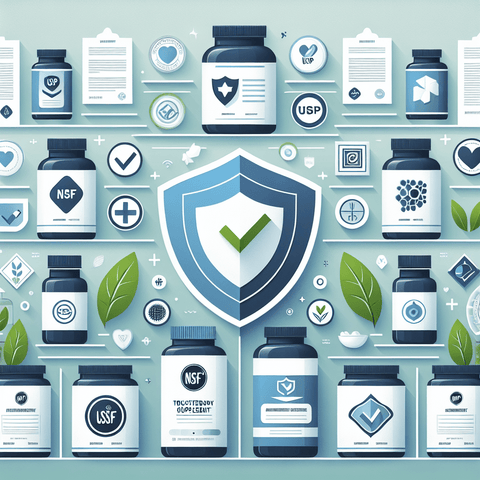
The supplement aisle is full of choices, and it’s not always easy to know which products are reliable. This guide to certified dietary brands explains what it means when a supplement brand carries a third-party certification, why those labels matter, and how you can use them to make more informed shopping decisions. Here, we’ll explore the major types of certifications, how to verify them, and how they fit into a broader approach to choosing quality nutrition products.
What Is a Certified Dietary Brand?
A certified dietary brand is a company whose products or practices have been independently reviewed by a third-party organization. This review confirms that the brand meets specific, predefined standards. These standards are not created by the brand itself, but by an external body that evaluates aspects such as ingredient quality, manufacturing processes, or labeling accuracy.
When you see a certification seal on a supplement package, it signals that an outside organization has looked at how the product is made. This external check is different from a company’s own quality control measures. It provides an independent layer of scrutiny that can be a useful benchmark for comparison.
Key Certification Programs
Several certification programs are widely recognized in the supplement industry. Each has its own focus and criteria. Understanding these differences is the first step to choosing products that meet your expectations.
- NSF International: This certification often focuses on the safety and quality of dietary supplements. It can include verification that the product contains only the ingredients listed on the label and that it is free from certain contaminants.
- USP (United States Pharmacopeia): A USP verification mark indicates that a supplement has been tested for its ingredient purity and that the manufacturing process follows specific quality standards. It also confirms that the product will break down properly in the body.
- GMP (Good Manufacturing Practices) Certification: While many facilities follow GMP regulations, third-party GMP certification provides an independent audit of the production facility. This program verifies that the manufacturer adheres to strict quality control procedures to ensure product consistency and safety.
These are a few examples of the certification landscape. Each program’s rigorous auditing process is designed to give you more confidence in what you’re purchasing.
Why Third-Party Verification Builds Trust
The value of a certification lies in its independence. A third-party verifier has no financial stake in the brand’s sales. This separation is what makes the certification an objective measure. Instead of relying on a brand’s marketing statements, you can rely on a standard that has been checked by an external expert.
For shoppers, this means the certification process helps ensure that the product’s quality is consistent with what is on the label. It also involves ongoing oversight. Certifications are not permanent; they typically require periodic renewals and audits to ensure the brand continues to meet the standards over time.
In an industry where quality can vary, third-party verification is a practical tool for distinguishing products that have been through an external review process. This is particularly helpful when you are investigating new brands or trying to understand the difference between various products on the market.
How to Verify and Compare Certification Labels
Simply seeing a logo is not always enough. To shop with confidence, you can learn how to verify the authenticity of a certification.
Check the Certifier’s Registry
Most reputable certification bodies maintain a public registry of brands and products that hold their seal. You can visit the certifier’s official website and search for the brand to confirm its certification is current and active. This is often the most straightforward way to verify a claim.
Look for a certification number or batch code on the product packaging. You can often use this information to look up the specific product in the certifier’s database.
Understand the Scope of the Certification
Not all certifications are the same. One program might verify ingredient purity, while another focuses on the environmental impact of sourcing. Before making a decision, take a moment to understand what each logo specifically represents.
- Determine what is being verified (e.g., ingredients, production, or labeling).
- Check the certification’s duration and how often it is renewed.
- If a brand has multiple logos, note what standard each one represents.
If you have questions, consider reaching out directly to the brand or the certifier for clarification. It’s better to be confident in your understanding than to rely on assumptions.
Incorporating Certified Brands into Your Supplement Routine
Choosing a certified brand is just one step in a broader approach to your health. It is a useful marker of quality and transparency in the manufacturing process. When you are looking for supplements to support your wellness goals, prioritizing certified brands can help you build a foundation of trust.
Remember that a certification validates the manufacturing and labeling process; it is not a claim about the health benefits of the product itself. It’s always a good idea to discuss your supplement choices with a healthcare professional, especially if you are considering them to address a specific health concern. You can also explore our range of natural supplements to see a selection of products we offer. For a deeper look at specific nutrients, our guides to multivitamins and other supplement categories may be helpful resources. Ultimately, learning to recognize and verify certification labels is a key skill for navigating the supplement market with greater confidence.