
Pillules amaigrissantes dangereuses révélées : découvrez des effets secondaires choquants, des témoignages réels et des alternatives plus sûres et scientifiquement validées. Cliquez pour protéger votre santé. Derrière un marketing brillant, des pilules amaigrissantes dangereuses circulent auprès de ceux qui recherchent des résultats rapides. Cette page vise à éclaircir ce que sont ces produits, pourquoi les régulateurs mettent en garde contre eux, et comment repérer les signaux d’alarme avant de faire un choix. Vous découvrirez des témoignages de préoccupations signalées, des expériences réelles d'utilisateurs, et des conseils pour rester informé dans un marché qui évolue souvent rapidement. Les effets secondaires choquants associés aux pilules amaigrissantes dangereuses constituent un point central ici. Des rapports décrivent une gamme de réactions préoccupantes que les gens ont expérimentées après avoir essayé ces produits, allant de symptômes inconfortables à des issues plus graves. L’objectif est de présenter un tableau clair et préventif pour aider les lecteurs à peser les risques sans céder à la sensationalisation, et à encourager une évaluation prudente plutôt qu’une utilisation impulsive. Des histoires réelles de personnes ayant essayé des pilules amaigrissantes dangereuses illustrent à quel point la situation peut rapidement devenir critique. Des voix anonymes partagent ce qui les a attirés vers ces produits, comment elles se sont senties lors de leur utilisation, et l’impact sur leur vie quotidienne lorsque tout ne s’est pas déroulé comme prévu. Ces récits soulignent l’importance de la prise de décision éclairée et rappellent pourquoi de nombreux professionnels recommandent une analyse rigoureuse des revendications et des sources. Des alternatives plus sûres, appuyées par la science, sont abordées de manière neutre et informative. L’accent est mis sur la façon dont les chercheurs évaluent ces produits et sur l’importance de consulter des sources crédibles et des professionnels lorsqu’on envisage des options. Cette page invite les lecteurs à explorer des considérations basées sur des preuves et à aborder leurs choix avec vigilance. Cliquez pour protéger votre santé.
Pillules de régime dangereuses exposées : effets secondaires choquants et alternatives plus sûres
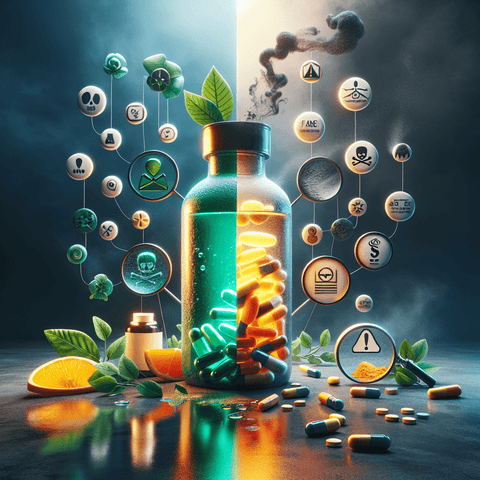
The market for weight-loss supplements is vast and often confusing, and alongside legitimate products, a category of dangerous diet pills persists. These are products that may contain banned ingredients, undisclosed pharmaceutical substances, or compounds with a high risk of severe side effects. This guide provides a broad overview of what makes a diet pill dangerous, the regulatory landscape, and how to identify products that warrant caution.
The purpose here is not to alarm but to inform. By understanding the risks, recognizing the red flags, and knowing the difference between evidence-based options and potentially harmful shortcuts, you can make safer, more informed decisions for your health.
What Are Dangerous Diet Pills?
Dangerous diet pills are weight-loss products that pose an unreasonable risk of harm to consumers. This risk can come from several sources: the presence of prohibited or controlled substances, the use of ingredients at unsafe dosages, undisclosed pharmaceutical ingredients, or a lack of evidence for safety and effectiveness.
These products often operate in a gray area. Some may be sold as dietary supplements, which in many markets are not subject to the same rigorous pre-market safety testing as pharmaceutical drugs. This regulatory gap can be exploited by manufacturers seeking to sell products with powerful, and potentially dangerous, effects.
Key Differences: Supplements, Medications, and Illicit Products
It's helpful to distinguish between different categories of weight-loss products:
- Dietary supplements: Products intended to supplement the diet, which may contain vitamins, minerals, herbs, or other botanicals. In many jurisdictions, they are regulated as food, not drugs, and may not require proof of effectiveness before being sold.
- Prescription medications: Drugs that require a doctor's prescription, which have undergone clinical trials to assess their safety and efficacy. Some prescription weight-loss drugs have been withdrawn from the market due to severe side effects.
- Illicit or unregulated products: Substances sold illegally, often online, that may contain dangerous ingredients or unknown compounds in untested combinations.
The danger often increases when a supplement is adulterated with undisclosed pharmaceutical ingredients to make it appear more effective. This contamination is a major reason why regulators issue warnings about specific brands or product types.
Why Do Regulators Warn Against Certain Diet Pills?
Health authorities like the U.S. Food and Drug Administration (FDA) and the European Food Safety Authority (EFSA) monitor the market for unsafe products. Their concern is rooted in reported adverse events and scientific evidence linking certain ingredients to serious health problems. These can range from cardiovascular issues like high blood pressure and heart palpitations to neurological symptoms, liver damage, and in extreme cases, death.
Regulatory warnings are not issued lightly. They follow investigations conducted after reports of harm or upon finding that a product contains ingredients that are illegal or unsafe for human consumption. These actions serve as an important signal to consumers that a product is considered to be a public health concern.
Notable Examples of Banned or Restricted Ingredients
Several active substances have a history of being used in dangerous weight-loss products and have been banned or subject to severe restrictions:
- DNP (2,4-Dinitrophenol): An industrial chemical that speeds up metabolism but can cause a fatal spike in body temperature. It is not approved for human consumption.
- Sibutramine: A prescription weight-loss drug withdrawn from many markets due to an increased risk of heart attack and stroke. It is still found illegally in some contaminated supplements.
- Ephedra (Ma Huang): A stimulant herb banned by the FDA in 2004 following reports of serious cardiovascular and neurological side effects.
- Fenfluramine and Dexfenfluramine: Appetite suppressants withdrawn from the market in 1997 after they were linked to heart valve disease.
This is not an exhaustive list. New and potentially dangerous substances often appear, which is why consumer vigilance and regulatory oversight are so important.
What Are the Reported Side Effects and Risks?
The specific side effects of a dangerous diet pill depend entirely on its ingredients. However, because many of these products contain stimulants or other potent compounds, reports often describe a range of distressing and, in some cases, severe symptoms.
People who have used these products have reported experiencing:
- Cardiovascular issues: Increased heart rate, high blood pressure, palpitations, and shortness of breath.
- Gastrointestinal problems: Nausea, vomiting, diarrhea, and abdominal pain.
- Neurological effects: Headaches, dizziness, insomnia, anxiety, and in severe cases, seizures.
- Psychological symptoms: Agitation, mood swings, and feelings of paranoia or panic.
In the most serious reported cases, the use of certain products, particularly those contaminated with substances like DNP or sibutramine, has led to organ damage, heart attacks, and even fatalities. These are not hypothetical risks; they are the reason behind urgent regulatory warnings.
How to Spot Red Flags in Weight-Loss Products
Learning to identify potentially dangerous products is a proactive step in protecting your health. While many legitimate supplements exist, certain marketing and labeling patterns are more common among products that raise concerns.
Red Flags in Marketing Claims
- Promises of fast, dramatic weight loss (e.g., "Lose 20 lbs in 2 weeks").
- Uses phrases like "miracle" or "breakthrough" without scientific backing.
- Claims to be a "fat burner," "appetite suppressant," or "metabolism booster" with extreme expected results.
- Relies on anecdotal testimonials and "before and after" photos rather than clinical evidence.
Warning Signs on the Label
- A 'proprietary blend' that does not list the amount of each ingredient, making it difficult to know what you are actually taking.
- Claims to be the "same as" a prescription drug but is sold as a supplement.
- Absence of a manufacturer name, contact information, or batch number for traceability.
- Product descriptions in poor English or a lack of a physical address for the company.
If a product is flagged by a regulatory agency, this should be considered a definitive red flag. Always check for up-to-date FDA or EFSA alerts before considering an unfamiliar supplement.
What Are Safer and More Sustainable Alternatives?
The alternative to dangerous diet pills is not a magic pill; it is a comprehensive and sustainable approach to health. This involves focusing on evidence-based methods and being a discerning consumer. For those looking for supplements that may support their wellness goals, it is vital to choose reputable brands that are transparent about their ingredients and manufacturing processes.
A foundational approach includes a focus on a balanced and nutrient-rich diet. Certain vitamins and minerals play essential roles in metabolism and overall health, which is why a good multivitamin or targeted supplements might be considered for general wellness. You can explore a range of high-quality, transparently sourced vitamins and supplements from our natural supplements collection.
Instead of seeking a quick fix, consider these more reliable strategies for weight management:
- Adopting a balanced diet rich in whole foods, lean protein, and fiber.
- Incorporating regular physical activity, including both cardio and strength training.
- Prioritizing sleep and stress management, as these significantly impact weight.
- Consulting with a registered dietitian or healthcare provider to develop a personalized plan.
This discussion of general wellness tools like multivitamins is part of a broader context. For a deeper look at how a foundational supplement could fit into your wellness routine, you might find our guide to multivitamins a helpful starting point. These are not weight-loss drugs, but rather nutritional support products intended for general use as part of a healthy lifestyle.
The Importance of Research and Professional Guidance
Before starting any new supplement, it is prudent to conduct your own research. Look for information from reliable, independent sources, and check to see if the product or its ingredients have been the subject of any regulatory warnings. This diligence is the first line of defense against dangerous products.
It is also essential to have a conversation with a healthcare professional. A doctor or a pharmacist can provide personalized advice based on your health status, current medications, and weight-loss goals. They can help you evaluate the potential benefits and risks of a supplement and distinguish between evidence-based options and those that are potentially harmful. This page provides general educational information and should not be used as a substitute for professional medical advice.
Exploring different supplement categories with a focus on quality and transparency can lead to safer choices. For instance, if you are interested in general wellness, you could explore our selection of mineral supplements which is designed with consumer education in mind. Remember, the safest approach is a slow and steady one, built on solid nutrition, physical activity, and informed, professional guidance.