
{"" : "" }
Sécurité alimentaire : comment manger sainement et protéger votre santé
24 August 2025
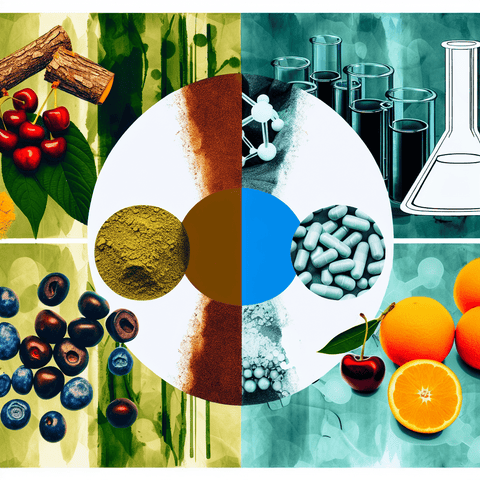
Les compléments naturels ne sont pas automatiquement plus sûrs que les compléments synthétiques. La sécurité dépend surtout de l’ingrédient, de sa forme, du dosage, de la qualité de fabrication et de votre situation personnelle. Cet article compare leurs avantages et leurs limites, explique comment lire une étiquette et rappelle les précautions à prendre en cas de traitement, de grossesse, de maladie chronique ou de suspicion de carence.
{"content":"
La sécurité alimentaire ne se limite pas à éviter les aliments contaminés : elle englobe l'ensemble des choix qui déterminent si vos habitudes alimentaires soutiennent ou fragilisent votre santé. Dans cet article, vous découvrirez ce que recouvre réellement la notion de sécurité alimentaire, comment les choix alimentaires du quotidien influencent le bien-être à long terme, quels comportements alimentaires courants comportent des risques cachés, et comment bâtir une approche nutritionnelle sûre et durable. Nous abordons également les cas où l'alimentation seule peut ne pas couvrir vos besoins, la manière d'évaluer les compléments alimentaires de façon responsable, et les personnes qui doivent faire preuve d'une vigilance particulière face aux changements alimentaires.
\n\n
Que signifie réellement la sécurité alimentaire ?
\n\n
La sécurité alimentaire désigne la pratique consistant à s'alimenter de manière à minimiser les risques pour la santé, qu'ils proviennent des dangers alimentaires ou des déséquilibres nutritionnels. Cela inclut le choix d'aliments correctement manipulés et conservés, mais aussi le fait de veiller à ce que votre alimentation globale apporte des nutriments suffisants, sans apports excessifs en sucres, sel, graisses non saines ou compléments inutiles. En résumé, la sécurité alimentaire associe les bonnes pratiques d'hygiène alimentaire à des choix nutritionnels éclairés.
\n\n
Sécurité alimentaire et sûreté des aliments : quelle différence ?
\n\n
La sûreté des aliments se concentre étroitement sur la prévention des maladies d'origine alimentaire : réfrigération adéquate, cuisson à des températures sûres, évitation des contaminations croisées et vérification des dates de péremption. La sécurité alimentaire est plus large. Elle couvre également la qualité nutritionnelle de l'ensemble de votre alimentation, les quantités potentiellement nocives de certains nutriments ou additifs, ainsi que l'adéquation et l'utilisation sûre des éventuels compléments que vous prenez. Une personne peut respecter toutes les règles d'hygiène alimentaire et avoir néanmoins une alimentation risquée, si celle-ci est, par exemple, chroniquement déséquilibrée ou excessivement restrictive.
\n\n
Pourquoi la sécurité alimentaire compte-t-elle pour la santé quotidienne ?
\n\n
Les habitudes alimentaires figurent parmi les facteurs modifiables les plus influents sur la santé. Les recherches associent de manière constante les alimentations équilibrées — riches en légumes, fruits, céréales complètes, légumineuses et bonnes sources de protéines — à de meilleurs résultats de santé à long terme. À l'inverse, les déséquilibres alimentaires prolongés ont été associés à un risque accru de maladies telles que les maladies cardiovasculaires et le diabète de type 2. Comme vous prenez des décisions alimentaires de nombreuses fois par jour, même de petites améliorations s'accumulent de manière significative au fil des années.
\n\n
Les principes fondamentaux d'une alimentation sûre et équilibrée
\n\n
- Variété : manger une grande variété d'aliments permet de couvrir des besoins nutritionnels divers et de réduire la dépendance à une seule source alimentaire.
- Suffisance : apporter assez d'énergie et de nutriments essentiels pour répondre aux besoins de l'organisme.
- Équilibre : éviter de trop insister sur certains aliments ou nutriments au détriment d'autres.
- Mesure : maintenir les apports en sucres ajoutés, sel et acides gras saturés dans des limites raisonnables.
- Sécurité : manipuler, conserver et préparer les aliments correctement, et rester prudent face aux allégations nutritionnelles non vérifiées et aux compléments inutiles.
\n\n
Comment les choix alimentaires influencent-ils votre santé et votre bien-être ?
\n\n
Le lien entre habitudes alimentaires et santé à long terme
\n\n
La recherche nutritionnelle a largement évolué, passant de l'étude de nutriments isolés à l'évaluation de régimes alimentaires dans leur ensemble. Les données indiquent que des régimes tels que le régime méditerranéen, qui privilégie les aliments d'origine végétale, le poisson, l'huile d'olive et limite les produits transformés, sont associés à des marqueurs de santé cardiovasculaire et métabolique favorables. Il s'agit d'observations réalisées sur de grandes populations, et les résultats individuels varient, mais l'orientation générale des données reste cohérente.
\n\n
Que constitue une alimentation nutritionnellement adéquate ?
\n\n
Une alimentation nutritionnellement adéquate fournit suffisamment de protéines, d'acides gras essentiels, de glucides, de vitamines, de minéraux, de fibres et d'eau pour répondre aux besoins de l'organisme. En pratique, cela signifie généralement de construire les repas autour des légumes, fruits, céréales complètes, légumineuses, fruits à coque et sources de protéines appropriées, tout en limitant les produits ultra-transformés. Les recommandations nutritionnelles nationales, comme celles fondées sur le « Schijf van Vijf » aux Pays-Bas, traduisent les savoirs scientifiques en recommandations pratiques pour le quotidien.
\n\n
Comment de mauvaises habitudes alimentaires peuvent-elles contribuer aux risques sanitaires ?
\n\n
Des alimentations régulièrement riches en aliments énergétiques mais pauvres en nutriments peuvent, avec le temps, favoriser la prise de poids, l'élévation de la pression artérielle, un profil lipidique défavorable et l'insulinorésistance. Parallèlement, des régimes restrictifs peuvent entraîner des apports insuffisants en certains nutriments, comme le fer, le calcium, la vitamine B12 ou la vitamine D, selon les groupes d'aliments exclus. L'excès comme l'insuffisance constituent des préoccupations en matière de sécurité alimentaire.
\n\n
Pièges alimentaires courants et comportements alimentaires à risque
\n\n
Surconsommation d'aliments transformés et de sucres ajoutés
\n\n
Les aliments ultra-transformés sont souvent riches en sucres ajoutés, en amidons raffinés, en sel et en graisses non sains, tout en étant pauvres en fibres et en micronutriments. Leur consommation fréquente peut se substituer à des aliments plus nutritifs et facilite le dépassement des apports énergétiques et en sucres recommandés. Les autorités sanitaires, notamment l'Organisation mondiale de la santé, recommandent de limiter les sucres libres à moins de 10 % de l'apport énergétique total, une réduction en dessous de 5 % apportant des bénéfices supplémentaires.
\n\n
Régimes à la mode et alimentations nutritionnellement restrictives
\n\n
Les régimes qui éliminent des groupes entiers d'aliments ou promettent des résultats rapides sont souvent déficitaires en nutriments essentiels. Des régimes très pauvres en glucides, extrêmement pauvres en graisses ou monotoques peuvent provoquer des carences s'ils sont suivis longtemps sans accompagnement professionnel. Par ailleurs, les approches de perte de poids rapides se révèlent souvent difficilement durables, et le cycle de reprise de poids peut être décourageant. Un régime sûr est un régime que vous pouvez maintenir tout en répondant à vos besoins nutritionnels.
\n\n
S'appuyer sur des allégations nutritionnelles non vérifiées et des tendances en ligne
\n\n
Les réseaux sociaux regorgent d'affirmations spectaculaires sur les « super-aliments », les protocoles de détox et les compléments miracles. Beaucoup de ces allégations exagèrent des recherches limitées ou interprètent à tort des résultats préliminaires. Dans l'UE, seules les allégations de santé autorisées par l'Autorité européenne de sécurité des aliments (EFSA) peuvent légalement figurer sur les étiquettes de compléments et d'aliments — un critère utile pour distinguer les allégations étayées du simple langage commercial. Restez particulièrement sceptique face à l'affirmation qu'un seul produit peut guérir une maladie ou remplacer une alimentation équilibrée.
\n\n
Apports excessifs en aliments enrichis et en compléments alimentaires
\n\n
Les aliments enrichis et les compléments alimentaires ont leur place, mais combiner plusieurs produits enrichis avec des compléments à forte dose peut faire dépasser certains apports au-delà des limites supérieures de sécurité. La vitamine A, la vitamine D, le fer et le zinc sont des exemples de nutriments dont un apport excessif peut être nocif. Si vous consommez plusieurs aliments enrichis et compléments, il est utile de vérifier l'apport cumulé plutôt que de supposer que plus est toujours meilleur.
\n\n
Pourquoi les besoins nutritionnels varient d'une personne à l'autre
\n\n
Comment l'âge et les étapes de la vie influencent les besoins nutritionnels
\n\n
Les besoins nutritionnels évoluent tout au long de la vie. Les enfants et les adolescents ont besoin de nutriments favorisant la croissance, tels que le calcium, le fer et les protéines. Les femmes enceintes ou qui allaitent ont des besoins accrus en acide folique, fer, iode et autres nutriments. Les personnes âgées ont souvent besoin de davantage de vitamine D, de calcium et de vitamine B12, en partie parce que l'absorption et la synthèse cutanée de la vitamine D diminuent avec l'âge.
\n\n
Les facteurs de mode de vie qui modifient vos besoins alimentaires
\n\n
Le niveau d'activité physique, l'exposition au soleil, la consommation d'alcool et le tabagisme influencent tous les besoins en nutriments. Par exemple, une exposition solaire limitée accroît l'importance des sources alimentaires de vitamine D, tandis que l'on observe un statut en vitamine C plus faible chez les fumeaux à niveau d'apport identique. Les personnes très actives ont généralement des besoins énergétiques plus élevés et peuvent nécessiter une attention particulière à certains nutriments.
\n\n
Pathologies et médicaments qui affectent l'absorption des nutriments
\n\n
Les troubles gastro-intestinaux tels que la maladie cœliaque, la maladie de Crohn ou la gastrite chronique atrophique peuvent altérer l'absorption du fer, de la vitamine B12 et d'autres nutriments. Les médicaments comptent également : la metformine peut affecter le statut en vitamine B12, les inhibiteurs de la pompe à protons peuvent réduire l'absorption de plusieurs nutriments, et les anticoagulants comme la warfarine interagissent avec l'apport en vitamine K. Si vous prenez un médicament sur ordonnance de manière prolongée, il est utile d'évoquer les interactions nutritionnelles potentielles avec votre médecin ou votre pharmacien.
\n\n
Construire des bases alimentaires sûres et durables
\n\n
Stratégies pratiques pour planifier des repas équilibrés
\n\n
Planifier les repas réduit le recours aux plats pratiques et facilite l'intégration de légumes, de céréales complètes et de protéines à chaque repas. Les approches concrètes incluent l'élaboration d'un menu hebdomadaire autour d'un socle d'aliments nutritifs, la préparation de plats en avance les jours moins chargés, et l'utilisation de l'assiette type : environ la moitié de légumes, un quart de céréales complètes ou d'aliments féculents, et un quart de protéines. La souplesse compte — des plans parfaits qui ne survivent pas à la vie réelle ne servent à rien.
\n\n
Lire les étiquettes alimentaires pour faire des choix éclairés
\n\n
Les étiquettes alimentaires indiquent la taille de la portion, la teneur en énergie et les quantités de sucres, sel, acides gras saturés et fibres pour 100 grammes ou par portion. Comparer les produits sur la base de ces chiffres, plutôt que sur le marketing en façade de l'emballage, est l'une des compétences les plus simples en matière de sécurité alimentaire. Les ingrédients sont listés par ordre décroissant de poids : un produit dont le sucre apparaît en haut de la liste est probablement très sucré.
\n\n
Le rôle de l'hydratation dans une alimentation sûre
\n\n
L'eau intervient dans la régulation de la température, le transport des nutriments et l'élimination des déchets. L'Autorité européenne de sécurité des aliments suggère un apport total en eau d'environ 2,0 litres par jour pour les femmes et 2,5 litres pour les hommes, eau des aliments comprise. Les besoins augmentent avec la chaleur, l'exercice et la maladie. L'eau, le thé et le café sans sucres ajoutés sont préférables aux boissons sucrées pour couvrir les besoins hydriques quotidiens.
\n\n
Des habitudes alimentaires durables que vous pouvez maintenir sur le long terme
\n\n
Le régime le plus sûr est celui que vous pouvez maintenir de manière constante. Cela favorise les changements graduaux plutôt que les refontes radicales : ajouter des légumes aux repas existants, choisir des versions complètes de produits familiers, cuisiner davantage à la maison et s'accorder de temps en temps une gourmandise sans culpabilité. Les habitudes liées à des routines régulières — comme une liste de courses fixe ou un jour de préparation des repas — sont plus durables que de brèves poussées de motivation.
\n\n
Quand l'alimentation seule peut-elle ne pas couvrir vos besoins nutritionnels ?
\n\n
Situations où les apports alimentaires peuvent être insuffisants
\n\n
Même des alimentations bien planifiées peuvent être déficitaires dans certaines circonstances. Les exemples documentés incluent la vitamine D durant les mois de faible ensoleillement, la vitamine B12 pour les personnes suivant un régime végétalien strict, l'acide folique pour les femmes enceintes ou susceptibles de le devenir, et le fer pour certaines femmes ayant des pertes menstruelles abondantes. Dans ces situations, la supplémentation peut être une addition raisonnable et même recommandée à l'alimentation — de préférence sur la base d'une évaluation plutôt que d'une estimation approximative.
\n\n
Épuisement des nutriments lié aux modes de vie modernes et à la qualité des sols
\n\n
Le mode de vie en intérieur, la réduction de l'exposition solaire, la forte consommation d'aliments transformés et l'évolution des pratiques agricoles sont parfois invoqués comme raisons pour lesquelles l'alimentation moderne fournirait moins de nutriments. Si la teneur minérale des cultures peut varier selon les conditions du sol, la préoccupation la plus établie concerne le régime alimentaire : de nombreuses personnes mangent tout simplement moins d'aliments complets riches en nutriments que les générations précédentes. L'amélioration de la qualité globale de l'alimentation demeure la première étape, la plus efficace.
\n\n
Pourquoi les aliments complets doivent toujours passer avant les compléments
\n\n
Les aliments complets délivrent les nutriments dans des matrices de fibres, de phytochimiques et d'autres composés que les compléments ne peuvent reproduire. Les aliments présentent également un risque bien moindre de surconsommation. Un complément peut combler un manque précis, mais il ne peut compenser une alimentation globalement médiocre. Si votre alimentation est déséquilibrée, l'améliorer procurera généralement plus de bénéfices que l'ajout d'une multivitamine.
\n\n
Le problème des multivitamines à forte dose et de la surcharge inutile en nutriments
\n\n
Certaines multivitamines contiennent des doses nettement supérieures aux quantités quotidiennes recommandées, combinant parfois plusieurs nutriments à leurs limites supérieures ou à proximité. Prendre de tels produits en plus d'aliments enrichis et d'autres compléments peut entraîner une surconsommation cumulée, en particulier en vitamine A, vitamine D, fer et zinc. Avec les micronutriments, plus n'est pas mieux ; l'objectif est l'adéquation.
\n\n
Comment identifier un complément alimentaire de qualité
\n\n
Formes des ingrédients : lesquelles sont les mieux absorbées ?
\n\n
Les nutriments existent sous différentes formes chimiques qui peuvent différer en absorption et en tolérance. Le citrate de magnésium, par exemple, est généralement mieux absorbé que l'oxyde de magnésium, souvent utilisé comme excipient bon marché. De même, la vitamine D3 ( cholécalciférol ) est généralement considérée comme plus efficace pour élever les taux sanguins de vitamine D que la vitamine D2. Lorsque les données comparatives sont solides, il vaut le choix de la forme la mieux étudiée ; lorsque les preuves sont limitées ou contradictoires, évitez de payer cher des arguments marketing.
\n\n
Ce qu'il faut rechercher dans les contrôles indépendants et les certifications de qualité
\n\n
Les compléments étant réglementés différemment des médicaments, une vérification indépendante est importante. Les fabricants réputés divulguent l'origine des ingrédients, utilisent des installations de production certifiées et soumettent parfois les produits à des laboratoires indépendants pour vérifier pureté et contenu. Privilégiez la transparence sur le lieu de fabrication, les contrôles par lot et les certifications de qualité lors de la comparaison des produits.
\n\n
Éviter les additifs nocifs, les excipients et les allergènes cachés
\n\n
Lisez la liste complète des ingrédients, pas seulement les nutriments actifs. Certains produits contiennent des excipients inutiles, des colorants artificiels ou des allergènes courants tels que le gluten, le soja ou les produits laitiers. Si vous avez des allergies ou si vous suivez un régime végétalien ou végétarien, vérifiez attentivement les mentions d'adéquation. Une liste d'ingrédients plus courte et plus claire est souvent le signe d'un produit élaboré avec soin.
\n\n
Gélules, comprimés ou poudres : quelle forme de dosage vous convient ?
\n\n
La meilleure forme de dosage relève largement de la praticité. Les gélules sont pratiques et souvent plus faciles à avaler ; les comprimés sont économiques mais peuvent contenir davantage d'agents liants ; les poudres permettent un dosage flexible mais exigent une mesure précise. Pour les personnes qui ont des difficultés à avaler des comprimés, les poudres ou les liquides peuvent améliorer l'observance — et un complément que vous prenez réellement de manière régulière est plus utile qu'une forme théoriquement supérieure que vous évitez.
\n\n
Comment lire et interpréter correctement une étiquette de complément alimentaire
\n\n
Comprendre les noms d'ingrédients et les formes de nutriments sur les étiquettes
\n\n
Les étiquettes listent souvent le composé du nutriment plutôt que le nutriment lui-même — par exemple « citrate de magnésium » plutôt que magnésium élémentaire, ou « huile de poisson » plutôt que la quantité d'EPA et de DHA. Savoir identifier la forme active permet de comparer les produits avec précision. Notez également si l'étiquette précise la forme d'un nutriment (par exemple, méthylcobalamine versus cyanocobalamine pour la vitamine B12), car cela influe à la fois sur l'absorption et sur l'adéquation.
\n\n
Comment évaluer la taille de la portion par rapport à la quantité par portion
\n\n
Un piège courant : une étiquette peut afficher une teneur élevée en nutriments, mais pour trois gélules et non pour une seule. Vérifiez toujours la taille de la portion et la quantité par portion, puis calculez ce que vous consommeriez réellement par jour. Comparez également les quantités aux apports quotidiens recommandés et aux limites supérieures établies pour juger de l'adéquation de la dose.
\n\n
Quand choisir un complément à ingrédient unique plutôt qu'un produit combiné
\n\n
Les produits combinés sont pratiques mais peuvent rendre difficile le contrôle des doses individuelles ou l'évitement de nutriments dont vous n'avez pas besoin. Si vous avez un manque précis et identifié — comme la vitamine D en hiver — un complément à ingrédient unique à dose appropriée est généralement plus simple et plus facile à évaluer. Les produits combinés ont davantage de sens lorsque vous avez besoin de plusieurs nutriments à des doses modestes et bien équilibrées.
\n\n
Qui doit faire preuve d'une vigilance particulière quant à ses choix alimentaires ?
\n\n
Femmes enceintes, personnes âgées et enfants en croissance
\n\n
Les femmes enceintes et qui allaitent ont des besoins accrus en plusieurs nutriments, et certaines substances sans danger pour d'autres ne le sont pas pendant la grossesse. Les personnes âgées peuvent absorber certains nutriments moins efficacement et prennent souvent davantage de médicaments. Les enfants sont plus sensibles aux doses excessives de certains nutriments, comme la vitamine A et le fer, et les compléments ne devraient généralement leur être donnés que sur avis professionnel.
\n\n
Personnes sous traitement médical sur ordonnance
\n\n
De nombreux compléments interagissent avec les médicaments. La vitamine K peut réduire l'efficacité de la warfarine, le millepertuis interagit avec de nombreux médicaments, et des compléments d'oméga-3 ou d'antioxydants à forte dose peuvent exiger de la prudence avec certains traitements. Consultez toujours un médecin ou un pharmacien avant d'ajouter des compléments à un traitement existant.
\n\n
Quand consulter un médecin ou un diététicien agréé avant de se supplémenter
\n\n
Une consultation professionnelle est particulièrement importante si vous souffrez d'une affection médicale chronique, prenez plusieurs médicaments, êtes enceinte ou essayez de concevoir, soupçonnez une carence sur la base de symptômes ou de résultats d'analyses sanguines, ou envisagez des compléments à forte dose. Un médecin peut prescrire des analyses sanguines pour établir le statut nutritionnel réel, et un diététicien agréé peut évaluer votre alimentation de manière exhaustive — ces deux approches sont plus fiables que l'autodiagnostic à partir des symptômes.
\n\n
Considérations de sécurité essentielles pour l'utilisation des compléments alimentaires
\n\n
Connaître les limites supérieures : quand plus n'est pas mieux
\n\n
Pour la plupart des vitamines et minéraux, des organismes scientifiques ont établi des niveaux d'apport tolérables supérieurs (UL) — l'apport quotidien maximal susceptible de ne pas provoquer d'effets indésirables. Dépasser ces niveaux, surtout sur de longues périodes, peut être nocif : un excès de vitamine A est associé à des problèmes hépatiques et osseux, une forte dose de vitamine D peut entraîner une élévation du calcium sanguin, et un apport excessif en fer peut causer des atteintes gastro-intestinales et organiques. Vérifiez les doses de vos compléments par rapport à ces limites, surtout si vous utilisez plusieurs produits.
\n\n
Effets secondaires et contre-indications potentiels à surveiller
\n\n
Même à des doses appropriées, certains compléments provoquent des effets secondaires chez les personnes sensibles — le magnésium peut avoir un effet laxatif, le fer peut causer des troubles gastriques, et certains produits à base de plantes peuvent provoquer des réactions digestives ou allergiques. Les personnes souffrant de troubles rénaux ou hépatiques, les femmes enceintes et les personnes en attente d'une intervention chirurgicale doivent faire preuve d'une vigilance particulière et éviter généralement de commencer de nouveaux compléments sans avis professionnel.
\n\n
Comment les compléments peuvent interagir avec les médicaments courants
\n\n
Les interactions peuvent fonctionner dans les deux sens : certains nutriments réduisent l'absorption des médicaments (le calcium peut interférer avec certains antibiotiques), tandis que certains médicaments épuisent les nutriments avec le temps. Le timing importe aussi — certains compléments se prennent de préférence avec les repas, d'autres à distance des médicaments. Si vous prenez un médicament sur ordonnance, signalez tous vos compléments à votre pharmacien, y compris les produits à base de plantes, qui sont souvent oubliés.
\n\n
Comment prendre une décision éclairée concernant votre alimentation et vos compléments
\n\n
Quand votre alimentation et votre mode de vie sont déjà suffisants
\n\n
Si vous avez une alimentation variée et équilibrée, passez du temps à l'extérieur et ne présentez pas de facteurs de risque spécifiques, la supplémentation est souvent inutile. Dans ce cas, les ressources consacrées à une armoire remplie de compléments seraient mieux investies dans des aliments de meilleure qualité. Une multivitamine n'est généralement pas nocive à doses modérées, mais elle ne remplace pas de bonnes habitudes alimentaires.
\n\n
Quand la supplémentation peut être une addition raisonnable
\n\n
La supplémentation peut raisonnablement être envisagée lorsqu'un manque spécifique est probable ou confirmé — comme la vitamine D durant les mois d'hiver, la vitamine B12 pour les végétariens et végétaliens stricts, ou l'acide folique lors de la planification d'une grossesse. Elle peut également être appropriée lorsqu'une pathologie ou un médicament affecte l'absorption, ou lorsque des restrictions alimentaires rendent certains nutriments difficiles à obtenir. Idéalement, cette décision doit reposer sur une évaluation plutôt que sur une estimation approximative.
\n\n
Privilégier la qualité à la quantité dans votre routine de compléments
\n\n
Un nombre restreint de produits bien choisis, bien formulés et à doses appropriées est à la fois plus sûr et plus efficace qu'une grande collection de compléments à forte dose. Revoyez périodiquement votre routine de compléments : les produits sont-ils encore adaptés, les doses sont-elles raisonnables, y a-t-il des redondances ? Moins de compléments, mais mieux choisis, soutiennent davantage la sécurité alimentaire qu'une accumulation de produits.
\n\n
En résumé : bâtir une approche alimentaire sûre et éclairée
\n\n
La sécurité alimentaire repose sur quelques fondations fiables : une alimentation variée et équilibrée, une bonne manipulation des aliments, des attentes réalistes et un esprit critique face aux allégations nutritionnelles. Pour la plupart des personnes, l'amélioration de la qualité globale de l'alimentation procure bien plus de bénéfices pour la santé que n'importe quel complément. Lorsque des manques réels existent — qu'ils soient liés à l'étape de la vie, à des régimes restrictifs ou à des problèmes d'absorption — les compléments peuvent jouer un rôle d'appoint utile, à condition de choisir des produits de qualité, de respecter les limites supérieures et de vérifier les interactions avec les médicaments. Les besoins nutritionnels sont individuels, et en cas de doute, les analyses sanguines et l'avis d'un médecin ou d'un diététicien agréé fournissent des réponses bien plus fiables que les symptômes ou les tendances internet. Pour celles et ceux qui identifient un besoin précis, des options soigneusement choisies — comme une multivitamine à dosage approprié ou un complément spécifique en vitamine D — peuvent constituer un ajout judicieux à des bases alimentaires solides.
\n\n
Points clés à retenir
\n\n
- La sécurité alimentaire va au-delà de la sûreté des aliments : elle couvre à la fois les dangers d'origine alimentaire et l'équilibre nutritionnel de votre alimentation globale.
- Une alimentation variée et équilibrée fondée sur des aliments complets répond aux besoins nutritionnels de la plupart des adultes en bonne santé.
- L'excès comme l'insuffisance présentent des risques — trop de sucres, de sel ou de compléments à forte dose peuvent être aussi problématiques qu'un apport insuffisant.
- Les besoins nutritionnels varient selon l'âge, l'étape de la vie, le niveau d'activité, l'exposition solaire, les pathologies et la prise de médicaments.
- Les régimes à la mode et les alimentations restrictives entraînent souvent des carences et sont rarement durables.
- Les aliments complets doivent toujours passer avant les compléments ; une multivitamine ne peut compenser une mauvaise alimentation.
- La supplémentation peut être raisonnable pour des manques précis, comme la vitamine D en hiver ou la vitamine B12 pour les véganes.
- Sur les étiquettes de compléments, vérifiez la forme du nutriment, la dose élémentaire, la taille de la portion et les additifs — la qualité prime sur la quantité.
- Respectez les niveaux d'apport supérieurs établis ; plus n'est pas mieux en matière de vitamines et minéraux.
- En cas de doute, les analyses sanguines et l'avis d'un médecin ou d'un diététicien sont plus fiables que l'autodiagnostic.
\n\n
Questions fréquentes
\n\n
Quelle est la différence entre sécurité alimentaire et sûreté des aliments ?
\n
La sûreté des aliments vise à prévenir les maladies d'origine alimentaire par une manipulation, une conservation et une préparation adéquates. La sécurité alimentaire est plus large : elle inclut également la qualité nutritionnelle et l'équilibre de votre alimentation globale, ainsi que l'adéquation et la sécurité des compléments que vous utilisez.
\n\n
Quels sont les principes les plus importants d'une alimentation sûre ?
\n
Variété, suffisance, équilibre et mesure. En pratique : basez vos repas sur des légumes, fruits, céréales complètes et bonnes sources de protéines, limitez les aliments ultra-transformés et les sucres ajoutés, et manipulez et conservez les aliments correctement.
\n\n
Combien d'eau devrais-je boire chaque jour ?
\n
L'EFSA suggère un apport total en eau d'environ 2,0 litres par jour pour les femmes et 2,5 litres pour les hommes, eau des aliments comprise. Les besoins augmentent avec la chaleur, l'exercice et la maladie, et aucun chiffre unique ne convient à tout le monde.
\n\n
Peut-on obtenir tous les nutriments nécessaires uniquement par l'alimentation ?
\n
La plupart des personnes en bonne santé ayant une alimentation variée et équilibrée peuvent couvrir leurs besoins par l'alimentation. Cependant, des manques spécifiques sont courants dans certaines situations, comme la vitamine D en hiver, la vitamine B12 avec un régime végétalien strict et l'acide folique lors de la planification d'une grossesse.
\n\n
Devrais-je prendre une multivitamine chaque jour ?
\n
Une multivitamine à dose modérée n'est généralement pas nécessaire pour les personnes ayant une alimentation équilibrée, mais elle peut apporter une réassurance modeste. Évitez les produits à forte dose qui rapprochent les apports des limites supérieures, et rappelez-vous que les compléments ne remplacent pas une alimentation saine.
\n\n
Peut-on prendre trop de vitamines ?
\n
Oui. Les vitamines liposolubles (A, D, E, K) et les minéraux comme le fer et le zinc peuvent s'accumuler et devenir nocifs en cas d'apports excessifs. Combiner plusieurs aliments enrichis et compléments augmente le risque de surdosage involontaire : vérifiez les doses cumulées par rapport aux limites supérieures établies.
\n\n
Quelle forme de magnésium est la mieux absorbée ?
\n
Les formes organiques comme le citrate de magnésium sont généralement mieux absorbées que l'oxyde de magnésium, dont la biodisponibilité est faible. Toutefois, les différences de tolérance et de praticité comptent aussi, et la meilleure forme dépend en partie de votre objectif et de votre tolérance.
\n\n
Les compléments interagissent-ils avec les médicaments ?
\n
Oui, certains le font. La vitamine K peut contrecarrer l'effet de la warfarine, le calcium peut interférer avec certains antibiotiques, et de nombreux produits à base de plantes interagissent avec les médicaments sur ordonnance. Signalez toujours à votre médecin ou pharmacien tous les compléments que vous prenez.
\n\n
Les « super-aliments » et produits de détox en valent-ils la peine ?
\n
Beaucoup d'allégations sont exagérées ou non étayées. Aucun aliment ou produit unique ne peut compenser une alimentation déséquilibrée, et ce sont le foie et les reins qui assurent la détoxification de l'organisme. Dans l'UE, seules les allégations de santé autorisées par l'EFSA peuvent légalement figurer sur les étiquettes.
\n\n
Comment savoir si je souffre d'une carence en nutriments ?
\n
Les symptômes seuls sont des indicateurs peu fiables du statut nutritionnel. Si vous soupçonnez une carence, une analyse sanguine prescrite par votre médecin fournit des informations bien plus fiables qu'une estimation à l'aveugle, et aide à déterminer si une supplémentation est réellement nécessaire.
\n\n
Les compléments sont-ils sûrs pour les enfants ?
\n
Les enfants sont plus sensibles aux doses excessives de certains nutriments, en particulier la vitamine A et le fer. Les compléments destinés aux enfants ne devraient généralement être administrés qu'après avis d'un médecin ou d'un professionnel de la pédiatrie, à des doses adaptées à leur âge.
\n\n
Comment choisir un complément alimentaire de qualité ?
\n
Recherchez des formes de nutriments clairement identifiées, des doses raisonnables conformes aux apports recommandés, des informations de fabrication transparentes, des contrôles qualité tiers ou indépendants et une liste d'ingrédients exempte d'excipients inutiles et de vos allergènes personnels.
\n\n
Mots-clés associés
\n
- sécurité alimentaire
- bonnes habitudes alimentaires sûres
- sûreté des aliments et sécurité alimentaire
- principes d'une alimentation équilibrée
- adéquation nutritionnelle
- sécurité des compléments alimentaires
- niveaux d'apport supérieurs en vitamines
- lire les étiquettes de compléments
- qualité des compléments et contrôles indépendants
- interactions entre nutriments et médicaments
- risque de carence en vitamine D
- risques sanitaires des aliments ultra-transformés
- risques des régimes à la mode
- habitudes alimentaires durables
- quand prendre des compléments
"}