Transparence des compléments alimentaires : que contiennent réellement vos vitamines


Découvrez ce qui se cache vraiment dans vos vitamines—ingrédients, provenance et étiquetage décryptés. Cette page met l’accent sur la transparence des compléments alimentaires et explique pourquoi elle est importante pour toute personne souhaitant comprendre les disclosures des produits. Vous apprendrez comment lire les étiquettes, interpréter les termes courants et distinguer les faits du langage marketing. L’objectif est de vous permettre d’évaluer les produits sur la base d’informations claires et vérifiables plutôt que de promesses, afin que la transparence devienne la norme pour comparer les compléments. Commencez par ce qui se trouve sur l’étiquette : le panneau des faits sur le supplément et la liste des ingrédients. Notez la taille de la portion, les quantités de composants actifs, ainsi que les ingrédients inactifs, les fillers ou les colorants. Ensuite, allez au-delà de l’étiquette pour inspecter la provenance. La transparence des compléments alimentaires est renforcée lorsque les marques indiquent la provenance des ingrédients, la vérification des fournisseurs, et si une certification ou une vérification tierce existe. Si un certificat d’analyse ou d’autres documents de test sont fournis, cela indique que l’origine et la qualité ont été vérifiées dans le cadre de la divulgation. Décoder les détails de l’étiquetage vous aide à comprendre les informations fournies. Vérifiez les coordonnées du fabricant, l’adresse de la société, ainsi que le numéro de lot ou de série qui relie le produit à un lot de fabrication. La date d’expiration permet de suivre la durée de vie. Faites attention aux mélanges propriétaires, qui peuvent dissimuler les quantités d’ingrédients individuels. Si l’étiquette utilise des termes vagues ou omet des détails clés, notez-le comme un signal pour rechercher des informations plus complètes. Les signaux d’alerte à surveiller incluent l’absence d’informations sur le lot, des revendications de provenance non vérifiables, ou l’absence de certification tierce. Les déclarations comme « naturel » ou « biologique » nécessitent une vérification externe, et l’absence de documents justificatifs doit susciter des questions. Dans la mesure du possible, demandez un certificat d’analyse, une liste de fournisseurs, et un contact direct avec un représentant qualifié. Adopter l’habitude de demander des documents soutient la transparence des compléments alimentaires et contribue à instaurer une norme plus élevée dans l’industrie.


Unlocking the Truth About Supplement Labels: What Every Consumer Must Know - Topvitamine
31 August 2025
Lire une étiquette de complément alimentaire permet de vérifier sa composition, la quantité de substances actives, les précautions d’emploi et les informations réglementaires. Ce guide explique les principales mentions obligatoires, la différence entre ingrédients actifs et excipients, les limites des allégations marketing et les critères à examiner avant de choisir un produit. Il rappelle également quand demander conseil à un professionnel de santé.

Dietary supplement transparency is about understanding exactly what is inside the products you take. In an industry where marketing language can sometimes overshadow facts, knowing how to find and interpret clear information is a valuable skill. This guide provides a high-level overview of what transparency means, why it is important, and how you can use it to make more informed decisions about the supplements you choose.

Understanding Supplement Labels and Facts Panels

The primary source of information about any supplement is its label. The Supplement Facts panel outlines the serving size, the amount of each active ingredient per serving, and the percent daily value (%DV) where one is established. Beyond this panel, the ingredient list includes all other components, such as fillers, binders, and natural or artificial colors. A crucial point of scrutiny is the 'proprietary blend' category. While it protects a brand's unique formula, it also obscures the specific amount of each individual ingredient within that blend, making it impossible to evaluate effective doses. A commitment to transparency is often reflected in a brand's willingness to provide more detail than the minimum legal requirements.

Look for key elements that aid in traceability, such as a batch or lot number, which connects the product to a specific production run, and the manufacturer's contact information. An expiration date is also necessary to assess product shelf life and potency. If a label uses vague terms, omits critical details, or lacks basic traceability markers, it is a signal that the brand may not be fully committed to transparency.

The Role of Third-Party Testing and Certification

Because the FDA does not rigorously review dietary supplements for efficacy or safety before they are sold, independent verification becomes a critical component of supplement transparency. Third-party testing involves sending products to an independent lab that checks the identity, purity, and potency of the ingredients. A certificate of analysis (COA) is the document that reports these findings. Some organizations go a step further by offering certification programs, which often include facility audits and ongoing testing.

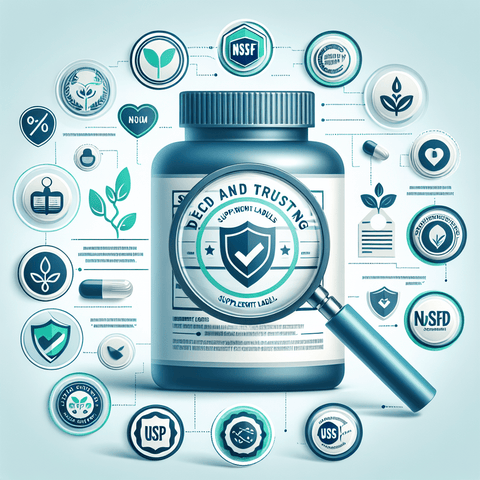
Certifications from programs like NSF International and USP can provide a strong layer of assurance. While both aim to verify product quality, they have different focuses and requirements. Understanding the specific standards behind each certification can help you evaluate what their seals actually mean. When a brand provides a COA or references independent certification, it is a strong indicator of its commitment to verifiable quality, a key aspect of overall dietary supplement transparency.

Regulatory Landscape and Industry Standards

The dietary supplement industry is regulated by the FDA, primarily under the Dietary Supplement Health and Education Act of 1994 (DSHEA). Under this framework, supplement manufacturers are responsible for ensuring their products are safe and that label claims are not false or misleading. However, unlike drugs, supplements do not require FDA approval before being marketed. The FDA's role is largely reactive, taking action against products that are found to be unsafe or misbranded.

This regulatory structure places a significant onus on the manufacturer to adhere to good manufacturing practices and on the consumer to be diligent. Consequently, transparency is not just an ethical choice but a market requirement for brands that wish to stand out. Brands that proactively share information about their sourcing and testing help consumers navigate the regulatory gap and build a foundation of trust.

Practical Steps to Verify Supplement Transparency

As a consumer, you can take proactive steps to evaluate a brand's transparency. You can look beyond the label and examine a company's website, looking for detailed information about ingredient sourcing, manufacturing locations, and supplier vetting processes. Don't hesitate to reach out directly with questions. Legitimate, transparent companies should be able and willing to provide information or direct you to resources.

Here are key considerations to guide your research:

  • Check for a published Certificate of Analysis (COA) for the batch of product you are considering.
  • Verify third-party certifications from organizations like NSF International or USP.
  • Look for clear disclosure of all ingredients, including inactive ones, with no hidden proprietary blends unless amounts are also provided.
  • Seek out brands that openly discuss their ingredient sourcing and where their products are manufactured.
  • Read the full ingredient list to avoid potential allergens or unnecessary additives such as artificial colors and fillers.

Building a habit of asking for documentation and verification supports a higher standard of quality and honesty in the industry. By choosing brands that prioritize transparency, you are not only making a safer choice for yourself but also encouraging better practices across the board.

Common Red Flags and What They Mean for You

Understanding what transparency is not is just as important as knowing what it is. Certain markers can signal that a brand may be less forthcoming. These include an absence of lot or batch numbers, a lack of clear contact information, or overly aggressive marketing claims that seem too good to be true. Words like 'all-natural' or 'organic' carry specific meanings that should be verifiable with certifications; a lack of such evidence should prompt further questioning.

Remember that dietary supplement transparency is about the quality and accuracy of the information provided. If a company is not transparent about the basics, it can erode confidence in the entire product. Being a discerning consumer is not about distrusting the industry wholesale but rather about seeking out and supporting brands that demonstrate a clear commitment to openness and quality.

Exploring the Topic Further

This guide provides a foundation for understanding dietary supplement transparency. Other important subtopics within this area include the specific details of what two supplements might interact negatively, the ownership of transparent supplement brands, and comparisons of different certification programs. Remember that this information is for educational purposes and is not a substitute for professional medical or nutritional advice from a qualified healthcare provider.