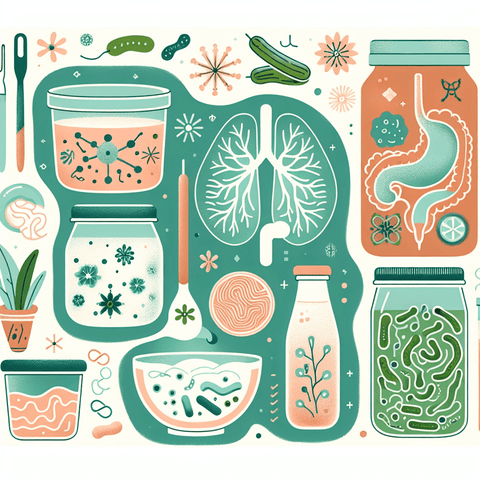
Déverrouillez la santé digestive : astuces simples pour un intestin plus heureux


La santé digestive dépasse un simple ressenti momentané. Elle reflète la façon dont le corps traite et réagit face à la vie quotidienne. Sur cette page, vous trouverez une présentation concise, basée sur la science, de la santé digestive, avec des explications conçues pour être claires et accessibles. L’accent est mis sur la compréhension des facteurs que les chercheurs étudient et sur leur traduction en connaissances pratiques que vous pouvez explorer, plutôt que sur des promesses rapides. Dans ce domaine, les scientifiques examinent comment l’activité du tube digestif interfère avec le système nerveux, comment les signaux influencent les sensations de confort ou d’inconfort, et comment les choix méthodologiques façonnent notre compréhension de la santé digestive. En restant curieux des preuves — de la conception des études, de ce que le processus de revue par les pairs implique — vous pouvez développer une vision fondée et distinguer les conclusions solides des idées précoces. Cette approche favorise une démarche réfléchie face au sujet de la santé digestive. Pour commencer à explorer la santé digestive de manière réfléchie, vous pouvez vous concentrer sur des étapes orientées vers l’apprentissage : établir une routine régulière pour la réflexion, noter les schémas que vous remarquez, et rechercher des informations auprès de sources fiables. Ces étapes pratiques mettent l’accent sur l’observation attentive, le scepticisme, et l’apprentissage continu, plutôt que sur des recommandations prescriptives. L’objectif est de progresser régulièrement dans la compréhension des liens entre différents contextes et la santé digestive. Commencez votre parcours aujourd’hui en découvrant la science derrière la santé digestive — cliquez pour en apprendre davantage et vous sentir nourri. Cette page offre des explications claires, des discussions crédibles, et des pistes basées sur des preuves pour une recherche continue. Faites preuve de curiosité, et laissez des informations fiables guider votre exploration de la santé digestive.


10 Factors That Influence Nutrient Absorption - Topvitamine
21 April 2026
L'absorption des nutriments dépend d'une chaîne d'étapes que plusieurs facteurs limitants peuvent freiner : acidité gastrique, enzymes digestives, bile, santé de la muqueuse intestinale, microbiote, interactions entre nutriments, médicaments, âge et stress. Cet article explique les causes possibles de malabsorption, les symptômes d'une mauvaise absorption de vitamines et les gestes concrets — associations alimentaires, timing des prises, choix des formes — pour améliorer la biodisponibilité des vitamines et minéraux au quotidien.
Does magnesium clean your colon? - Topvitamine
13 February 2026
Le magnésium peut faciliter l’évacuation des selles grâce à son effet laxatif osmotique, mais il ne détoxifie pas le côlon et ne rééquilibre pas le microbiote à lui seul. Ce guide explique les formes utilisées, les précautions et les interactions possibles. Il propose aussi des conseils concrets pour améliorer la santé intestinale, reconnaître les signes d’alerte et favoriser un transit régulier sans recourir aux cures de nettoyage.
What is the 14 day gut reset? - Topvitamine
03 February 2026
Une réinitialisation intestinale de 14 jours n’est pas une détox restrictive, mais une courte période consacrée à des habitudes favorables au confort digestif. Ce guide propose une méthode progressive : alimentation variée, fibres adaptées, aliments fermentés, hydratation, sommeil et activité douce. Il explique aussi le rôle potentiel de la glutamine, du zinc carnosine et des probiotiques, ainsi que les précautions à prendre en cas de symptômes persistants ou de traitement médical.
Is coffee good or bad for your gut? - Topvitamine
01 February 2026
Le café et la santé intestinale sont liés de façon différente selon les personnes, la quantité consommée et la sensibilité digestive. Il peut stimuler le transit et apporter des polyphénols, mais aussi favoriser brûlures d’estomac, selles molles ou inconfort chez certaines personnes. Découvrez les effets de la caféine, les précautions en cas de reflux ou de troubles intestinaux, ainsi que les bonnes pratiques pour prendre certains compléments.
What is the best probiotic available for purchase? - Topvitamine
25 October 2025
Le meilleur probiotique n’est pas le même pour tout le monde : son intérêt dépend de la souche, de la quantité d’UFC, de la qualité de l’étiquetage et de l’objectif recherché. Ce guide compare les principales options étudiées, explique quoi vérifier avant l’achat et répond aux questions sur la diarrhée, l’eczéma et les infections urinaires. Il rappelle aussi les précautions nécessaires avant toute supplémentation.
What is the best natural probiotic? - Topvitamine
14 October 2025
Le meilleur probiotique naturel n’est pas le même pour tout le monde : il dépend des souches, de l’objectif, de la tolérance et de la qualité du produit. Ce guide compare les aliments fermentés et les compléments, explique le rôle des prébiotiques et propose des habitudes favorables au microbiote intestinal. Il rappelle aussi quand des troubles digestifs nécessitent un avis médical.

Digestive health refers to how well the digestive system breaks down food, absorbs nutrients and handles waste — and how comfortable that process feels in daily life. It is shaped by what and how you eat, your daily routine, stress, sleep and the community of microorganisms living in the gut. Because digestion touches so many parts of everyday wellbeing, it is one of the most widely discussed topics in nutrition. This page works as a topical hub: it explains the main themes of digestive health at a broad level, while the articles collected under this tag explore specific questions in more detail.

What Is Digestive Health?

The digestive system is a group of organs — including the stomach and intestines — that work together to break food down into nutrients the body can absorb. Digestive health broadly describes how smoothly this system functions and how comfortable it feels in daily life. When people talk about gut health, they usually mean this same combination of digestion, comfort and regularity.

The Gut–Brain Connection

Digestion is also connected to more than the gut itself. Researchers study how the digestive system communicates with the nervous system — a relationship often called the gut–brain axis — and how this interaction may relate to experiences of comfort and unease. This is an active area of research, and the discussion here stays at a general, educational level.

Why Digestive Health Gets So Much Attention

Digestion determines how food becomes available to the body, which places it at the centre of everyday nutrition. It also influences daily comfort: many people notice how they feel after meals, and that experience is a big part of why the topic draws so much interest. Attention to digestive health has grown further as research into the gut microbiome has expanded. Because the field keeps evolving, it helps to stay evidence-aware — looking at how claims are supported rather than accepting every promise at face value.

Signs Commonly Associated With Digestive Discomfort

People who feel their digestion is not working smoothly often report bloating, excess gas, heartburn, a heavy feeling after meals or irregular bowel habits. These experiences are common from time to time and can have many everyday explanations, including eating habits, food choices and stress.

Occasional discomfort is not the same as a medical problem. Symptoms that are persistent, severe, unusual or new deserve assessment by a doctor or another qualified professional. General information like this page can support understanding, but it cannot replace personal medical advice.

Everyday Habits That Support Healthy Digestion

There is no single trick to good digestion. Most general guidance centres on consistent, manageable habits rather than dramatic changes. The habits below are widely recommended as part of a digestion-friendly routine:

  • Eat at a comfortable pace and chew food thoroughly.
  • Build meals around varied, fibre-rich foods such as vegetables, fruit, whole grains and legumes.
  • Drink enough fluids throughout the day.
  • Stay physically active in a way that suits you.
  • Manage stress and aim for consistent, sufficient sleep.
  • Notice how different foods affect you, without drawing firm conclusions from a single experience.

Gradual change tends to work best. Adding a lot of fibre at once, for example, can feel uncomfortable at first, so many people increase it step by step while drinking enough fluids.

Drinks Often Part of a Digestion-Friendly Day

Water is the most straightforward choice, especially alongside fibre-rich meals. Herbal teas such as ginger or peppermint have a long history of traditional use around mealtimes, and sugary drinks are generally better kept occasional. Tolerance varies from person to person, so it can help to notice what suits you.

The Gut Microbiome: Probiotics and Prebiotics

The gut is home to a large community of bacteria and other microorganisms, often called the gut microbiome or gut flora. Research into the microbiome has grown rapidly, and it is now one of the most discussed areas within digestive health.

Two terms appear often in this context. Probiotics are live microorganisms found in fermented foods such as yoghurt, kefir and sauerkraut, as well as in supplements. Prebiotics are types of fibre that these microorganisms use as food. They are usually discussed together because they describe complementary parts of the diet.

For those who want to look beyond foods, our probiotics and prebiotics supplements collection gathers products in this category. As with any supplement, composition and quality vary between products, so it is worth comparing options carefully.

Nutrients, Fibre and Botanicals Often Mentioned With Digestion

Fibre deserves special mention, because it is central to most conversations about digestion. It comes from plant foods, and different types behave differently in the gut. A varied, plant-rich diet is the usual starting point, and browsing a superfoods collection can be a practical way to add more variety to your meals.

Vitamins and minerals are part of the picture too. Magnesium, for example, contributes to normal muscle function, which is one reason it often comes up in discussions about digestion. Options can be found in our magnesium supplements collection.

Botanicals such as ginger, peppermint and artichoke have a long history of traditional use around digestion and are still widely discussed today. Traditional use is not a measure of proven effect, so it is best treated as background context rather than a promise.

Frequently Asked Questions About Digestive Health

How can I improve my digestive health?

Start with the basics: eat at a comfortable pace, choose varied fibre-rich foods, drink enough fluids, stay active and look after sleep and stress. Consistency over weeks matters more than any single change, and persistent problems are best discussed with a professional.

What are signs of poor digestion?

Commonly reported signs include bloating, gas, heartburn, discomfort after meals and irregular bowel habits. Occasional symptoms are normal; anything persistent, severe or new warrants medical advice.

What drink helps your digestion?

Water is the simplest option, particularly alongside fibre-rich meals. Herbal teas such as ginger or peppermint are traditionally enjoyed around eating. Responses differ from person to person.

How do I reset my gut health?

There is no overnight reset. The gut microbiome generally responds to steady habits: a varied plant-rich diet, regular routines, sufficient sleep, movement and stress management. Extreme approaches are rarely necessary, and ongoing symptoms should be reviewed with a qualified professional.

Exploring Digestive Health Further

This page is a starting point rather than a finish line. The articles collected under this tag go deeper into specific questions — from individual nutrients and ingredients to particular digestive topics — so you can move from the broad picture to the detail that matters to you.

The information on this page is general and educational. It is not medical advice and cannot account for personal circumstances. If you have ongoing symptoms or questions about supplements, a doctor, dietitian or pharmacist is the right person to ask.