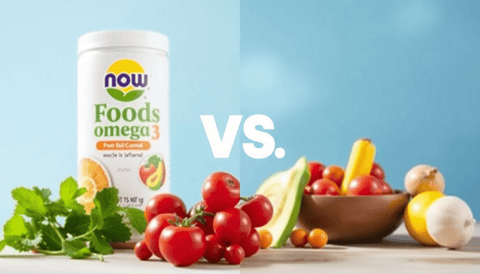
Découvrez la science derrière la teneur en EPA et DHA dans notre guide essentiel sur la puissance de l'oméga-3. Cette page explique ce que signifie la teneur en EPA et DHA et comment les chercheurs quantifient ces composants dans les produits et ingrédients. L'EPA (acide eicosapentaénoïque) et le DHA (acide docosahexaénoïque) sont deux acides gras oméga-3 à longue chaîne, et le terme « teneur en EPA et DHA » fait référence à la quantité de ces acides gras présents par unité. Sur la plupart des étiquettes, vous verrez la teneur en EPA et DHA exprimée en milligrammes par portion ou par capsule, et parfois en pourcentage par rapport à la totalité des acides gras. Comprendre ces chiffres vous aide à interpréter de manière cohérente les informations sur les produits, quel que soit leur catégorie d'origine. Pour comparer les options, vous voudrez examiner comment la teneur en EPA et DHA se compare d'une portion à l'autre. Nous expliquons la différence entre indiquer l'EPA et le DHA séparément ou en ligne combinée, et comment la taille de la portion influence ces chiffres. Vous verrez aussi parfois la teneur totale en oméga-3 en plus de celle en EPA et DHA, ce qui peut affecter la comparaison entre les produits. Le guide montre comment lire ces chiffres pour évaluer la teneur en EPA et DHA de manière claire, comparable et précise. Notre guide essentiel met en avant des catégories de sources selon leur contribution en EPA et DHA, plutôt qu’en fonction du goût ou de l’utilisation culinaire. Nous discutons de la façon dont la teneur en EPA et DHA peut varier selon la classe de source et la méthode de transformation, ainsi que comment différents formats présentent ces chiffres. L’objectif est de comprendre l’étiquette de contenu : l’EPA est-il indiqué en premier, le DHA est-il montré comme une ligne distincte, et la taille de la portion est-elle cohérente ? En examinant ces aspects, vous pourrez comparer les options en fonction de leur teneur en EPA et DHA. Derrière ces chiffres, une science rigoureuse permet d’obtenir des données précises sur la teneur en EPA et DHA. Nous décrivons les approches analytiques utilisées pour quantifier ces acides gras, y compris la préparation d'échantillons, l'extraction lipidique et l’analyse chromographique. La teneur est rapportée en milligrammes par portion ou par gramme, avec des notes sur la méthode de mesure et tout matériel de référence standard applicable. Les contrôles de qualité, les analyses répétées et, le cas échéant, la vérification par un tiers garantissent la fiabilité des données de teneur en EPA et DHA sur lesquelles vous pouvez compter. La page aborde aussi comment les variations dans la forme du produit et les pratiques de fabrication peuvent influencer la teneur en EPA et DHA indiquée sur les étiquettes.
Contenu en EPA et DHA : votre guide essentiel pour la puissance des oméga-3
Understanding EPA and DHA content is a central step for anyone exploring omega-3 fatty acids. This guide provides a comprehensive overview of what these terms mean, why they matter for your understanding of nutrition, and how to navigate the information on product labels. We'll explore the general science behind these fats, how they are typically measured, and the key differences between EPA and DHA before looking at dietary sources and supplement considerations.
What is EPA and DHA Content?
EPA (eicosapentaenoic acid) and DHA (docosahexaenoic acid) are types of omega-3 fatty acids. When you see “EPA and DHA content,” it refers to the specific quantity of these fatty acids found in a serving of food, a softgel, or a liquid supplement. This is most commonly listed on labels in milligrams (mg) per serving. However, it can also be presented as a percentage of the total fat content, which is particularly common in certain types of oils.
Grasping this concept is crucial because it allows you to directly compare different products, regardless of their source. A fish oil supplement, a vegan algae oil, and a serving of salmon can all be evaluated using the same metric: how much EPA and DHA do they provide? This standardized understanding is the first step in making informed choices.
Decoding EPA and DHA Content on Labels
Product labels can present omega-3 information in a few different ways, and knowing how to read them is key. Here's what to look for when comparing products:
- Separate vs. Combined Values: Some labels list EPA and DHA individually (e.g., EPA 360 mg, DHA 240 mg), while others provide a combined “Omega-3s” or “EPA/DHA” total. For a more detailed comparison, you'll often want to know the individual amounts.
- Serving Size: The stated content is only meaningful when you know the serving size, which can be multiple capsules or a specific liquid volume. Always compare based on a consistent serving size.
- Other Omega-3s: A product might list “Total Omega-3s,” which includes ALA (alpha-linolenic acid) or other types, alongside Eicosapentaenoic acid and Docosahexaenoic acid. For the specific health effects associated with fish and algae oils, the EPA and DHA content is the most relevant figure.
By focusing on these aspects, you can ensure you're comparing products based on a clear, apples-to-apples basis, which helps in selecting a product that aligns with your interest in these specific omega-3s.
EPA vs. DHA: Key Differences
While both EPA and DHA are long-chain omega-3s, they are not identical. They have different structures and perform various functions within the body. A common question is whether it is better to have more of one than the other. Research often focuses on EPA's role in supporting normal inflammatory responses, while DHA is a major structural component of the brain and eyes.
The optimal ratio of EPA to DHA can depend on the context. Purely from a nutritional standpoint, both are important for maintaining a balanced diet. Whether a specific product is higher in one or the other may influence your choice, but for general health, a good supply of both is typically the goal.
Dietary Sources of EPA and DHA
EPA and DHA are most commonly associated with marine sources. However, for those following a plant-based diet, algae-based supplements provide a direct source of these omega-3s. Understanding where these fats come from is a crucial part of the broader topic.
Here is a general overview of the EPA and DHA content found in common food and supplement sources, based on typical amounts:
Source | Approx. EPA/DHA Content (per serving)
- Salmon (cooked, 3 oz): ~1,200-1,800 mg combined
- Sardines (canned, 2 sardines): ~700-900 mg combined
- Anchovies (canned, 2 oz): ~700-1,000 mg combined
- Mackerel (cooked, 3 oz): ~1,000-1,400 mg combined
- Fish Oil Supplement (typical 1g capsule): ~180-300 mg EPA and 120-200 mg DHA
- Algae Oil Supplement (typical 1g capsule): varies, potentially ~250-500 mg DHA or a higher EPA/DHA blend
The amounts can vary based on the specific species, diet of the animal, and methods of processing. This makes label reading all the more important, as it is the only reliable way to know the exact content of your chosen product.
Recommended EPA and DHA Content per Day
A frequently asked question is “What is a good level of EPA and DHA?” It is important to note that while many health organizations provide general guidance, there is no single universally accepted daily recommendation. Recommendations often fall within a range of 250-500 mg of combined EPA and DHA per day for general wellness, based on research observing populations with high fish consumption.
For specific health conditions, higher amounts are often researched, but such dosages should be discussed with a healthcare professional. The amount you might choose to consume can depend on your dietary habits. If you don't eat fish regularly, a supplement might be a practical way to help you reach these general targets.
Safety and General Considerations for EPA and DHA
You might wonder “How much is too much EPA and DHA per day?” and “Why is fish oil no longer recommended?” regarding some recent discussions. These are valid questions when considering supplementation.
While EPA and DHA are essential, very high intakes could have blood-thinning effects. Most experts agree that up to 3 grams per day of combined EPA and DHA is generally considered safe for most people, but higher amounts should be under a doctor's supervision.
The conversation about fish oil is also nuanced. It often centers on issues like sustainability, the potential for oxidation in low-quality products, and the preference for getting nutrients from food first. This has led to growing interest in sustainable, highly purified fish oils or plant-based alternatives.
Exploring the Topic Further
This guide serves as a broad introduction to the world of EPA and DHA content. Many more specific questions exist within this topic, such as how to choose between different supplement forms, which source is right for your needs, and the detailed mechanisms behind how these fats work. This tag page is designed to be a starting point, offering a clear overview of the landscape before you delve into articles that answer more particular questions.
For those interested in learning more about the different types of nutrients and supplements that can fit into a health-focused lifestyle, our DHA and EPA omega-3 supplements category offers a look at products within this space. You can also explore our range of natural supplements for other wellness interests. Finally, our collection on superfoods and nutrient claims can help you understand more about how foods and supplements are classified.