
Plongez dans l'univers acidulé des boissons fermentées avec notre guide savoureux. Ici, nous dévoilons ce qui rend ces boissons uniques et expliquons les bases de la fermentation sans vous perdre dans le jargon. Vous découvrirez l'idée centrale : un liquide de base, une culture ou un levain, et un récipient de fermentation qui transforment ensemble la douceur en caractère. Des breuvages à base de levure aux sodas acidifiés, cet aperçu met en lumière comment la température, le temps et la propreté façonnent la boisson finale. En passant aux notes de dégustation, vous apprendrez à identifier comment les boissons fermentées expriment l’arôme, l’acidité et la corpulence. Attendez-vous à un spectre allant de brillant et fruité à terreux et savoureux, avec une effervescence pétillante et une finale nette dans de nombreux styles. Un cadre simple — apparence, arôme, palais et finale — vous aide à décrire ce que vous goûtez en dégustant cidre, kombucha, bière ou kéfir, enrichissant ainsi votre vocabulaire pour vos explorations gustatives. Les conseils pour apprécier ces délicieuses boissons se concentrent sur des idées pratiques et accessibles. Considérez la température de service et le verre approprié pour accentuer l’arôme et la carbonatation, les techniques de versement pour préserver l’effervescence, ainsi que les méthodes de stockage pour maintenir la fraîcheur. Le guide souligne également les styles de fermentation courants et les accords en fonction des occasions, vous aidant à choisir la boisson fermentée idéale pour chaque moment. Lisez dès maintenant pour découvrir les histoires, techniques et possibilités de saveurs derrière les boissons fermentées. Avec ce guide, vous développerez une compréhension pratique de l’art et une perception plus claire des saveurs qui définissent chaque boisson, enrichissant ainsi vos voyages de dégustation.
Boissons fermentées : un guide savoureux des boissons acidulées
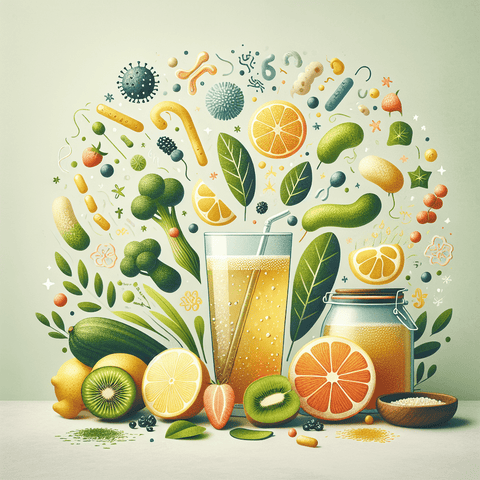
Fermented beverages are drinks transformed by microorganisms—typically yeasts, bacteria or both—which convert sugars and other compounds into alcohol, acids, gases and diverse aroma molecules. This broad category includes familiar favourites like kombucha, kefir, kvass, cider, beer and many traditional drinks from around the world. This page is a starting point for understanding what fermented beverages are, how they are made, the main types you may encounter, and practical considerations such as flavour, serving and safety. More specific topics—like step-by-step recipes or detailed comparisons—are covered in the individual articles linked below.
How Fermentation Works in Beverages
At its core, fermentation is a metabolic process. Microorganisms consume sugars and other nutrients in a liquid base and produce new compounds as by-products. In yeast-led ferments, the main outputs are alcohol and carbon dioxide. In bacteria-led or mixed-culture ferments, lactic acid, acetic acid and other organic acids often dominate, creating sour, tangy or complex flavours.
Three practical elements shape most fermented drinks:
- Base liquid: the starting point, such as tea, milk, fruit juice, grain water or a sugar solution.
- Culture or starter: the yeasts, bacteria or mixed community that drives fermentation.
- Conditions: temperature, time, acidity and cleanliness all influence which microbes thrive and what flavours develop.
Understanding these basics helps explain why two seemingly similar drinks can taste completely different. A warmer, faster fermentation may produce more acidity or alcohol, while a cooler, slower process can preserve delicate aromas. Clean equipment and a healthy starter culture are practical priorities for anyone fermenting at home.
Major Types of Fermented Beverages
Fermented drinks can be grouped in several ways, but one useful distinction is between yeast-led ferments and bacteria-led or mixed-culture ferments.
Yeast-Led Ferments
These drinks rely primarily on yeasts to convert sugars into alcohol and carbon dioxide. Examples include beer, cider, wine and mead. The flavour spectrum ranges from crisp and dry to sweet, fruity or complex, depending on the base ingredients and fermentation conditions.
Bacteria-Led and Mixed-Culture Ferments
These beverages often involve lactic acid bacteria, acetic acid bacteria or a combination of yeasts and bacteria. Common examples include kombucha, water kefir, milk kefir and kvass. They tend to be tangy, sour or lightly fizzy, with flavours that can range from bright and fruity to earthy and savoury.
Acidified and Hybrid Drinks
Some drinks involve fermentation followed by additional steps, such as acidification, dilution or flavouring. These may include certain sodas, shrubs or vinegars. Apple cider vinegar, for example, is produced through a two-step fermentation process, though it is typically used as a condiment or ingredient rather than a beverage in large amounts.
Flavour, Aroma and Tasting Notes
Fermented beverages are valued for their complex sensory qualities. A simple framework—appearance, aroma, palate and finish—can help you describe what you taste.
- Appearance: clarity, colour and carbonation.
- Aroma: fruity, floral, yeasty, earthy, sour or spicy notes.
- Palate: acidity, sweetness, body, alcohol warmth and carbonation.
- Finish: how long the flavours linger and whether they feel clean, dry or rich.
Serving temperature and glassware can influence how these qualities come forward. Chilled drinks tend to emphasise crispness and carbonation, while slightly warmer temperatures may reveal more aroma. Pouring carefully helps preserve sparkle in effervescent styles.
Practical Considerations for Enjoying Fermented Drinks
If you are new to fermented beverages, a few practical points can make the experience more enjoyable and help you store drinks safely.
- Storage: keep most fermented drinks cool and away from direct light to maintain freshness and carbonation.
- Serving: use appropriate glassware and consider the ideal temperature for the style.
- Home fermentation: start with clean equipment, a reliable starter culture and consistent temperatures.
- Safety: follow trusted recipes and discard anything that looks, smells or tastes spoiled.
Some fermented drinks contain alcohol, caffeine or live cultures, which may not be suitable for everyone. If you have specific health concerns or dietary restrictions, it is best to consult a qualified healthcare professional.
Fermented Beverages in a Broader Nutritional Context
Fermented foods and drinks are often discussed alongside broader topics like gut health, probiotics and overall nutrition. While this page focuses on the drinks themselves, you may also be interested in related areas such as probiotics and prebiotics supplements or general superfoods. These categories offer additional context but are not required to enjoy fermented beverages.
Exploring Fermented Beverages Further
This page is designed as a topical hub. Below you will find articles that dive deeper into specific drinks, recipes, comparisons and cultural traditions. Whether you are curious about kombucha, interested in making your own kefir, or simply want to understand what makes fermented drinks tangy, the individual guides can help you explore the topic step by step.