
Découvrez comment les aliments fermentés offrent une saveur audacieuse grâce à un savoir-faire traditionnel. Cette page vous invite à explorer ce que sont les aliments fermentés, comment leur caractère se développe grâce à la fermentation, et comment les aborder avec curiosité. Vous verrez comment la texture, l’arôme et la saveur aigre se combinent dans cette pratique ancestrale, et vous apprendrez à considérer la fermentation comme un élément polyvalent dans la cuisine quotidienne. Au cœur des aliments fermentés se trouve une transformation naturelle guidée par des micro-organismes. En termes simples, ces processus convertissent les substrats en de nouveaux composés, façonnant l’acidité, l’arôme et la sensation en bouche. La science derrière les aliments fermentés implique des concepts tels que des environnements contrôlés, le temps et la température, qui influencent la vitesse et le style de la transformation. Cet aperçu vise à expliquer ces idées en termes accessibles, pour vous aider à comprendre comment fonctionne la fermentation sans garantir de résultats précis. Des conseils faciles pour la fermentation à la maison vous aident à commencer en toute sécurité avec les aliments fermentés. Priorisez la propreté, utilisez des contenants appropriés et maintenez tout submergé quand c’est nécessaire. Commencez par de petits projets simples, et documentez votre processus ainsi que vos résultats. La température, le temps et l'hygiène jouent tous un rôle, et vous pouvez ajuster ces facteurs à mesure que vous gagnez en expérience. L’objectif est d’explorer la mécanique de la fermentation et de développer votre confiance dans la réalisation de vos propres lots d’aliments fermentés. Enfin, découvrez comment savourer et présenter les aliments fermentés, en explorant une saveur et une texture audacieuses. Pensez à comment l’acidité, la complexité et la sensation en bouche peuvent influencer votre expérience de cette catégorie, et utilisez l’expérimentation pour façonner votre propre style. Le voyage à travers la fermentation invite à la curiosité – observez, goûtez, affinez et revenez-y toujours, en considérant les aliments fermentés comme une catégorie flexible et expressive en cuisine.
Aliments fermentés : Boostez votre santé avec des probiotiques et de la saveur
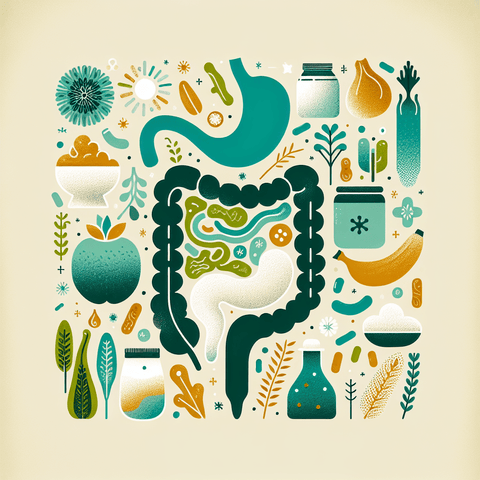
Fermented foods are a diverse and time-honored category of foods and drinks that have been transformed by microorganisms such as bacteria, yeasts or molds. This natural process changes sugars and other compounds into new substances, influencing acidity, aroma, texture and flavor. Fermentation has been used across cultures for preservation, taste and culinary creativity, and it remains relevant today in products like yogurt, sauerkraut, kimchi, miso, tempeh and kombucha. This page offers a broad overview of fermented foods: what they are, how fermentation works, the main types available, and practical considerations for enjoying them in everyday meals. It is designed as a starting point for exploration, not as a substitute for personalized medical or nutritional advice.
What Are Fermented Foods?
Fermented foods are foods or beverages that have undergone controlled microbial growth and enzymatic activity. In simple terms, microorganisms consume certain compounds in the food and produce new ones, which can change the food's acidity, flavor, aroma and texture. This process is often guided by managing temperature, time, salt, acidity and oxygen levels. The result is a food that may taste tangy, savory, salty or slightly sour, depending on the base ingredient and the fermentation method. Fermentation is not a single technique but a family of processes, which is why fermented foods vary so widely in character.
How Fermentation Works in Simple Terms
At its core, fermentation relies on microorganisms that thrive in specific conditions. Lactic acid bacteria, for example, are common in many vegetable and dairy fermentations, while yeasts are central to bread, beer and kombucha. These microbes convert sugars and other components into compounds such as lactic acid, alcohol or carbon dioxide. This transformation can lower pH, which helps preserve the food and contributes to its distinctive taste. Home fermenters and commercial producers alike influence the process by controlling factors like salt concentration, temperature, container type and fermentation duration. The science behind fermented foods is complex, but the basic principle is that a controlled environment allows beneficial microorganisms to develop and shape the final product.
Major Types of Fermented Foods
Fermented foods span many food groups and culinary traditions. They can be grouped by their base ingredient or by the type of fermentation involved. Common categories include:
- Dairy-based: yogurt, kefir, some cheeses and fermented milk drinks.
- Vegetable-based: sauerkraut, kimchi, pickled cucumbers and other fermented vegetables.
- Soy-based: miso, tempeh, natto and fermented tofu.
- Grain-based: sourdough bread and certain traditional porridges.
- Beverages: kombucha, water kefir and some traditional fermented drinks.
- Other: certain cured meats and fish that rely on fermentation as part of their preparation.
Each category includes many variations, and the same base ingredient can produce different results depending on the specific microbes, conditions and time allowed. For example, cabbage can become sauerkraut or kimchi, while milk can become yogurt, kefir or cheese. This diversity is part of what makes fermented foods a rich topic for culinary exploration.
Fermented Foods and Gut Health: A Broad Perspective
Fermented foods are often discussed in the context of gut health because many contain live microorganisms, sometimes referred to as probiotics. However, it is important to approach this topic with nuance. Not all fermented foods contain live cultures, and the types and amounts of microorganisms vary widely. Some fermented foods are pasteurized or heated after fermentation, which can affect their live microbial content. Additionally, individual responses to fermented foods can differ. While some people may find certain fermented foods helpful for digestive comfort, others may need to introduce them gradually or avoid specific types. For general information about probiotics and prebiotics, you can explore our probiotics and prebiotics supplements category. This page does not provide medical advice, and anyone with specific health concerns should consult a qualified healthcare professional.
Getting Started with Fermented Foods at Home
Home fermentation can be an enjoyable and rewarding practice, but it requires attention to cleanliness, proper equipment and safe handling. Beginners often start with simple vegetable ferments like sauerkraut or basic yogurt making. Key considerations include using clean containers, keeping vegetables submerged in brine where applicable, maintaining appropriate temperatures, and observing the fermentation as it progresses. It is also helpful to document your process—notes on time, temperature and taste—so you can refine your approach over time. While home fermentation is generally approachable, it is important to follow reliable instructions and to discard any batch that shows signs of spoilage, such as mold, off odors or unexpected textures.
How to Enjoy Fermented Foods in Everyday Meals
Fermented foods can add complexity and interest to meals. Yogurt and kefir work well in breakfast bowls, smoothies or as bases for dips. Sauerkraut and kimchi can be served as side dishes, added to sandwiches or used to top grain bowls. Miso can flavor soups and marinades, while tempeh can be sliced, marinated and cooked. Kombucha and water kefir can be enjoyed as beverages. When introducing fermented foods, start with small amounts and pay attention to how they fit with your overall diet. Because flavor preferences and tolerances vary, experimentation is part of the process. For broader nutritional context, you may also explore our superfoods guide category, which covers nutrient-dense foods and related topics.
Important Considerations and Safety
Fermented foods are generally considered safe for most people when produced and stored properly. However, there are important caveats. Some fermented foods are high in salt, which may be a consideration for individuals monitoring sodium intake. Others may contain significant amounts of histamine or other compounds that some people are sensitive to. Additionally, home fermentation carries a risk of spoilage or harmful microbial growth if proper practices are not followed. Pregnant women, young children, older adults and immunocompromised individuals may need to take extra precautions with certain fermented foods, especially those that are unpasteurized. This information is educational and not a substitute for personalized medical or dietary advice. If you have specific health conditions or concerns, consult a healthcare professional before making significant changes to your diet.
Exploring Fermented Foods Further
This tag page provides a broad overview of fermented foods, including what they are, how fermentation works, major types and practical considerations for use. More specific topics—such as detailed recipes, comparisons of specific fermented foods, or in-depth discussions of gut health—are covered in individual articles associated with this tag. As you browse, you can use this page as a map to understand the larger context and then dive into the specific topics that interest you most. Whether you are curious about trying your first fermented food or looking to expand your culinary repertoire, approaching fermentation with curiosity and caution can be a rewarding journey.