Aliments fortifiés : des moyens simples d’augmenter votre apport en vitamines et minéraux


Les aliments enrichis sont des produits auxquels des nutriments ont été ajoutés lors de leur transformation, étendant ainsi leur contenu intentionnellement. Cette page se concentre sur des moyens simples et pratiques d'intégrer les aliments enrichis dans la planification quotidienne des repas, avec des conseils, des idées de repas et des choix judicieux adaptés à une approche équilibrée de la nutrition. Les conseils pratiques commencent par l'étiquette. Recherchez les nutriments ajoutés et notez les quantités, puis comparez les options en fonction du pourcentage indiqué sur le panneau nutritionnel. Faites attention aux portions et à la façon dont une option enrichie s'inscrit dans votre journée aux côtés d'autres aliments que vous consommez. Pensez à vos préférences, besoins alimentaires et budget lors du choix des aliments enrichis. Trois modèles de repas simples peuvent vous guider : des idées pour le petit-déjeuner, le déjeuner et le dîner intégrant un élément enrichi dans le plan. Chaque modèle se concentre sur un aliment enrichi et le combine avec une base simple et un accompagnement pour compléter l'assiette. Maintenir ces modèles flexibles vous permet de vous adapter à différents jours et ingrédients disponibles. Les choix judicieux vous aident à tirer le meilleur parti des aliments enrichis. Évaluez les options par catégorie, vérifiez la présence de sucres ou de fillers ajoutés, et comparez les produits pour trouver celui qui convient à votre routine. Alterner entre différentes options enrichies peut vous aider à maintenir de la variété tout en planifiant des repas équilibrés.


What foods contain vitamin D? - Topvitamine
28 January 2026
Les aliments riches en vitamine D sont surtout les poissons gras, l’huile de foie de morue, le jaune d’œuf et certains aliments enrichis. Les champignons exposés aux UV peuvent compléter les apports en vitamine D2, notamment dans une alimentation végétale. Ce guide présente des idées simples, les différences entre D2 et D3, les signes possibles d’un manque et les précautions à connaître avant de choisir un complément de vitamine D.
In which foods is vitamin B12 found? - Topvitamine
16 November 2025
Les aliments riches en vitamine B12 sont principalement le foie, les poissons, les fruits de mer, la viande, les œufs et les produits laitiers. Les personnes végétaliennes doivent privilégier des aliments enrichis et, selon leur situation, un complément de vitamine B12. Ce guide explique aussi quelle boisson peut en contenir, pourquoi les fruits et les algues ne sont pas des sources fiables et quels signes peuvent évoquer une carence.
Where is a lot of vitamin B12 found? - Topvitamine
29 October 2025
Les meilleures sources de vitamine B12 sont le foie, les poissons et fruits de mer, les viandes, les produits laitiers et les œufs. Le foie de bœuf est particulièrement concentré, mais il doit rester occasionnel en raison de sa teneur élevée en vitamine A. Les personnes véganes doivent privilégier les aliments enrichis ou un complément de vitamine B12, avec un avis professionnel en cas de risque de carence.
Where is vitamin D most commonly found? - Topvitamine
24 October 2025
Les sources de vitamine D sont principalement la synthèse par la peau sous l’effet des UVB, certains aliments, les produits enrichis et les compléments. Les poissons gras sont les aliments naturels les plus intéressants, tandis que les œufs et les champignons apportent des quantités plus modestes. L’exposition solaire varie selon la saison et le type de peau. Découvrez comment combiner ces sources avec prudence et quand demander un avis professionnel.
Where is vitamin D found? - Topvitamine
17 October 2025
Où trouve-t-on la vitamine D ? Principalement grâce à la synthèse cutanée liée aux UVB, mais aussi dans certains aliments, les produits enrichis et les compléments. Ce guide présente les principales sources de vitamine D, la différence entre vitamine D2 et D3, les facteurs qui influencent les apports et les précautions à connaître avant toute supplémentation.
What are 10 foods rich in vitamin D? - Topvitamine
13 October 2025
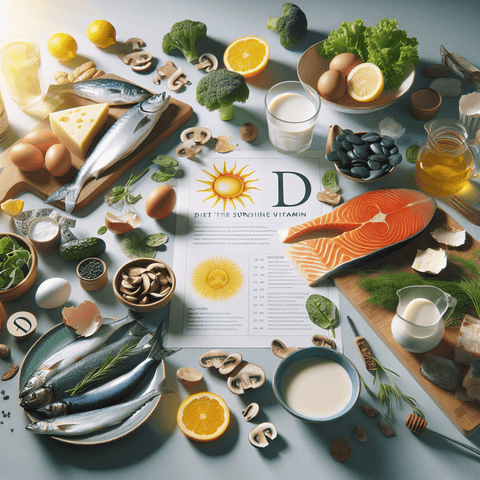
Les aliments riches en vitamine D sont surtout les poissons gras, certains fruits de mer, le jaune d’œuf et les champignons exposés aux UV. Les aliments enrichis, comme certaines boissons végétales, certains produits laitiers, céréales et jus, peuvent compléter les apports. Découvrez leurs teneurs variables, comment les intégrer à vos repas et dans quels cas demander conseil avant de choisir un complément de vitamine D.

Fortified foods are a common part of many diets, but they are often misunderstood. This guide explains what fortification is, why it matters, and how to make informed choices. Whether you are looking to address a specific nutrient gap or simply want to understand the options at the grocery store, this page provides a practical overview. We will cover the basics of fortified foods, what to look for on labels, and how to incorporate them into a balanced approach to eating.

What Are Fortified Foods?

At its core, a fortified food is any product that has nutrients added to it that were not originally present, or that are present in small amounts. This is a deliberate process done during manufacturing to improve the nutritional quality of the food. The practice is different from enrichment, which typically refers to adding back nutrients that were lost during processing. Fortification, on the other hand, adds nutrients that may not have been in the food at all. The purpose is to help consumers meet their daily nutritional needs more easily, particularly for nutrients that are commonly lacking in modern diets.

For example, many breakfast cereals are fortified with a range of B vitamins, including folic acid, as well as iron and zinc. Milk is often fortified with vitamin D, which is essential for calcium absorption. Plant-based milks, such as soy or almond milk, are frequently fortified with calcium, vitamin D, and vitamin B12 to make them more nutritionally comparable to dairy milk. This process plays a significant role in public health by helping to reduce nutrient deficiencies across the population.

Why Fortification Matters for Your Diet

Fortification can help bridge gaps between the nutrients you get from food and the nutrients your body needs. However, it is crucial to see fortified foods as a helpful complement to, not a replacement for, a diet rich in whole foods. Fruits, vegetables, whole grains, lean proteins, and healthy fats provide a complex mix of nutrients and other beneficial compounds that cannot be replicated by fortification alone. The value of a fortified food depends on the whole product, not just the added nutrients.

When considering your intake, think about recommended dietary allowances and your unique lifestyle. Factors like age, sex, health status, and dietary patterns can influence your nutritional needs. For some, fortified foods are a practical way to ensure adequate intake of specific nutrients like vitamin D or iron. For others, a focus on consuming a variety of whole foods may be more appropriate. A balanced approach that includes both is often the most effective strategy for many people.

Common Fortified Foods and Nutrients

Fortified foods are everywhere, but it can be helpful to know which products are typically fortified and with what. This can help you quickly identify potential options on your next shopping trip.

  • Breakfast Cereals: Often fortified with iron, folic acid, B vitamins (including B12), and sometimes vitamin D and zinc.
  • Milk and Dairy Alternatives: Cow's milk is commonly fortified with vitamin D. Plant-based milks often include calcium, vitamin D, and vitamin B12.
  • Grains and Breads: Many refined grain products like white flour and bread are enriched with B vitamins (thiamin, riboflavin, niacin, folic acid) and iron.
  • Salt: Table salt is typically fortified with iodine, a mineral important for thyroid function.
  • Juices and Beverages: Some fruit juices and drink powders may be fortified with calcium, vitamin C, and vitamin D.
  • Nutritional Yeast and Plant-Based Proteins: These are often fortified with vitamin B12, an essential nutrient found naturally in animal products.

This list is not exhaustive, but it gives an idea of the variety of products available. Always check the nutrition label and ingredient list to confirm which nutrients have been added.

How to Read Labels and Make Smart Picks

Reading a nutrition label is the most important skill for navigating the world of fortified foods. The goal is to understand what you are actually getting in each serving and how it fits into your overall diet.

Key Things to Look For

  • Serving Size: All nutrient information is based on a specific serving size. Be sure to compare this to the amount you actually eat.
  • % Daily Value (%DV): This tells you how much a nutrient in a serving contributes to a daily diet. A %DV of 20% or more is considered high for that nutrient, while 5% or less is low.
  • Ingredient List: Fortified vitamins and minerals will appear in the ingredient list, often with chemical names. This can help you see exactly what has been added.
  • Other Nutrients: Pay attention to the whole profile. A fortified cereal might be high in iron but also high in added sugar. Consider the trade-offs.

Practical Tips for Selection

When choosing fortified foods, compare similar products to see which offers the best nutritional value for your needs. Check for excessive amounts of added sugars, sodium, or unhealthy fats. Think about your dietary preferences and budget, as fortified options can vary in price. It is also wise to rotate your choices to ensure you are getting a wide range of nutrients from different sources rather than a high dose of the same vitamins every day. For a broader overview of supplemental nutrients, you may find the daily intake guidelines useful.

A practical approach to using fortified foods is to integrate them into meals you already enjoy. For breakfast, you might choose a fortified cereal or oatmeal. At lunch, a fortified plant-based milk in a smoothie can be a good option. For dinner, using fortified grains or flours can add to your nutrient intake without much effort. The key is to view these foods as a helpful tool in your overall nutritional strategy.

Fortified Foods vs. Supplements

Fortified foods and dietary supplements both deliver nutrients but in different forms. Fortified foods are a way to get extra vitamins and minerals through your regular diet. They often come with the added benefits of other food components like fiber or protein. Supplements, on the other hand, offer a concentrated dose of a specific nutrient or a combination of nutrients. They are designed to fill a specific gap, which may be harder to achieve through food alone.

The choice between them depends on your individual circumstances. For example, someone with a very restricted diet might use a supplement to ensure adequate intake of a nutrient like vitamin B12 or vitamin D. In contrast, a person looking to boost their overall nutrient intake might prefer to start with fortified foods. For those interested in a more targeted approach, exploring high-quality multivitamins can be an option. However, it's essential to consider that supplements are not a substitute for a healthy diet and can be unnecessary or even harmful in high doses. Always consider your dietary intake first and consult with a healthcare professional before starting any new supplement regimen.

Important Considerations and a Balanced Approach

While fortified foods are generally considered safe for the public, it is possible to get too much of certain nutrients. This is known as overconsumption. It is especially important to be aware of nutrients like vitamin A, vitamin D, iron, and folic acid, which can build up in the body. Relying heavily on fortified foods and supplements simultaneously can increase the risk of exceeding the upper limits. Always read labels and be mindful of the total amounts of nutrients you are consuming from all sources, including food and supplements.

This information is for educational purposes and is not a substitute for personalized medical or dietary advice. If you have specific health concerns or questions about your nutrient needs, speaking with a doctor or a registered dietitian is the best course of action. They can provide guidance based on your individual health history and goals. The best approach to nutrition is to focus on a diverse diet of whole foods, using fortified foods as a strategic addition, and supplements when a specific need has been identified.