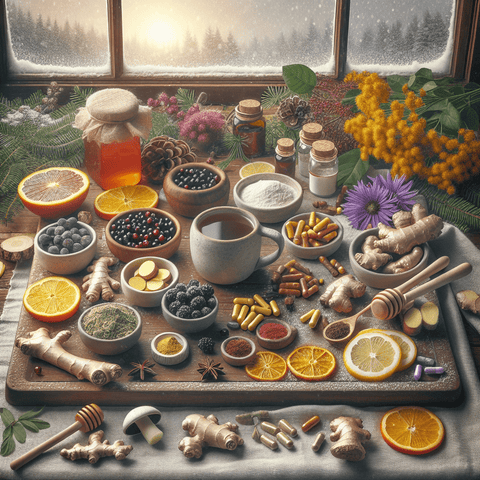
Découvrez des remèdes à base de plantes contre la grippe comme une option fiable et végétale que vous pouvez explorer en toute confiance. Cette page présente des conseils simples à base de plantes et des étapes pratiques pour les moments où la fièvre, la toux ou la fatigue font partie de la journée, en mettant l’accent sur des approches accessibles et végétales. L’accent est mis sur des conseils clairs et une préparation pratique, présentés sur un ton neutre et informatif. Les remèdes à base de plantes contre la grippe peuvent impliquer différentes méthodes de préparation, allant des infusions et décoctions aux traitements à la vapeur et applications topiques. L’idée est de travailler avec les plantes de manière prudente et sans risque, en utilisant des parties sèches ou fraîches, en suivant des pratiques d’hygiène rigoureuses, et en prenant des notes sur ce que vous essayez. Cette section reste pratique et évite d’affirmer des résultats, en décrivant plutôt des techniques courantes que l’on trouve dans les contextes traditionnels et les guides d’utilisation. Des conseils et étapes simples offrent des moyens directs de préparer et d’utiliser ces approches végétales. Pour une infusion simple, choisissez une partie de plante, placez-la dans une tasse, versez de l’eau chaude, couvrez, puis laissez infuser quelques minutes avant de filtrer et de consommer chaud. Pour un traitement à la vapeur, versez de l’eau chaude dans un bol, penchez-vous avec une serviette placée pour emprisonner la vapeur, et respirez doucement pendant une courte période. Une compresse chaude peut être réalisée en humidifiant un tissu avec une infusion préparée et en l’appliquant sur la zone du haut du corps comme pratique non invasive. Les notes sur la sécurité et l’approvisionnement contribuent à garder les choses pratiques et responsables. Choisissez des plantes propres et de haute qualité, suivez toutes les instructions de préparation, et soyez attentif aux sensibilités ou allergies personnelles. Si les symptômes persistent, s’aggravent ou si vous avez des conditions sous-jacentes, consultez un professionnel de santé. Cette page a pour but d’informer et de décrire des méthodes, et non de remplacer un avis médical professionnel.
Remèdes naturels contre la grippe à base de plantes : un soulagement rapide et fiable
As the seasons change, many people look for natural ways to support their well-being. Herbal flu remedies are a popular topic, with roots in traditional wellness systems that have used plants for centuries. This guide offers a broad introduction to the most common herbs, how they are typically prepared, and what to consider when incorporating them into your routine. Whether you're curious about a warming tea or a steam inhalation, understanding the basics can help you make informed choices.
What Are Herbal Flu Remedies?
Herbal flu remedies are plant-based preparations used to help ease the symptoms and discomforts often associated with the common cold and seasonal flu. Unlike conventional medicine, which targets specific pathogens, herbal remedies are typically used to support the body's natural systems. They may be consumed as teas, taken as tinctures, or used in steam therapies. While widely appreciated in traditional health practices, it's essential to remember that herbs are not intended to cure or treat the flu.
Instead, they are viewed as complementary tools that might help you feel more comfortable while your immune system works. The focus is on gentle support rather than aggressive treatment. This aligns with a broader interest in wellness and preventive care, where the goal is to maintain balance and resilience throughout the year.
Common Herbs for Seasonal Support
Several botanicals are frequently mentioned when discussing herbal flu remedies. Each has its own traditional use and method of preparation. Here are some of the most recognized herbs you may encounter:
- Elderberry: Often prepared as a syrup or tincture, elderberry is a staple in many home remedy traditions. It is usually taken at the onset of symptoms.
- Ginger: Known for its warming sensation, ginger is commonly used in teas and broths. It is prized for its comforting qualities, especially during chilly weather.
- Echinacea: Frequently consumed as a tea or taken in capsule form, echinacea is often used to support immune function. It is one of the best-known herbs for seasonal wellness.
- Peppermint: Peppermint tea is a soothing option, and its menthol content may help promote a sense of easier breathing when inhaled.
This list is not exhaustive, and these herbs are not endorsed as cures. They are included because they appear frequently in traditional wellness contexts. For those interested in a more structured approach to supplementation, exploring options like traditional herbal supplements can provide additional context.
Key Preparation Methods
The way an herbal remedy is prepared can influence not only its taste but also how it is traditionally used. Different methods extract different beneficial compounds from the plant material. Understanding these basic techniques can be helpful when experimenting at home.
Teas and Infusions
Making a tea is the most straightforward approach. To prepare an infusion, place a small amount of dried (or fresh) herb in a cup, pour hot water over it, and cover to keep the volatile compounds contained. Let it steep for several minutes before straining. This method is gentle and versatile, making it a great starting point for beginners.
Steam Inhalation
For those seeking respiratory comfort, steam inhalation is a traditional practice. Pour hot water into a bowl, add a few drops of an essential oil or a handful of herbs, then lean over the bowl with a towel draped over your head. Breathe deeply for a few minutes. This method helps deliver moisture and aromatic compounds directly to the airways.
Tinctures and Syrups
More concentrated preparations like tinctures (alcohol-based extracts) and syrups (often honey-based) are also common. These are typically taken in small doses and offer a longer shelf life. While convenient, they require more effort to prepare correctly, and dosage is more precise.
Safety Considerations and Best Practices
While herbal remedies are generally mild, they are not without considerations. Quality and preparation matter. Always source herbs from reputable suppliers, and ensure they are clean and properly stored. Pay attention to your body's response, and be aware that allergic reactions are possible, even with natural products.
- Use clean, high-quality ingredients and clean equipment for preparation.
- Consult a healthcare provider before using herbs, especially if you are pregnant, nursing, or taking prescription medications.
- Start with small amounts to gauge your individual tolerance.
- Stop use if you experience any adverse reactions and seek medical attention if symptoms are severe.
The information provided here is for educational purposes and is not a substitute for professional medical advice. If you suspect you have the flu, it is important to take appropriate steps, which may include seeing a doctor.
Integrating Herbal Remedies into a Balanced Lifestyle
Herbal remedies can be a pleasant addition to a wellness routine, but they work best when combined with other healthy habits. Adequate rest, proper hydration, and a nutrient-rich diet are fundamental to feeling your best. For some, incorporating specific vitamin C supplements or other antioxidant supplements might also be of interest, though these are not specific flu treatments.
For more detailed information on specific herbs, their uses, and potential interactions, we invite you to explore the individual articles found under this topic. They delve into the nuances of each plant and provide more specific guidance.