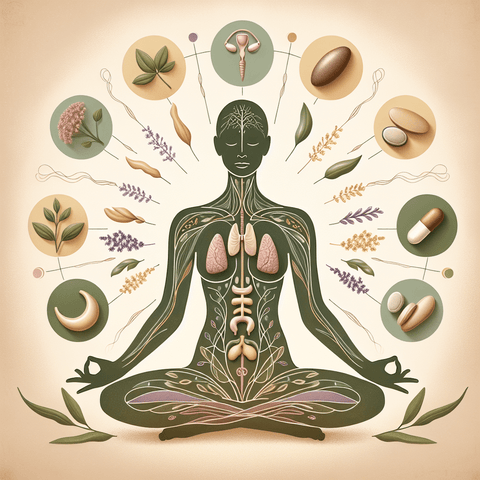
Découvrez des remèdes à base de plantes pour les hormones et des approches naturelles pour les sautes d’humeur et autres expériences liées aux hormones. Cette page introduit l’idée des remèdes à base de plantes pour les hormones dans le cadre d’une conversation plus large sur l’équilibre, la résilience et le bien-être personnel. Vous trouverez un aperçu de la façon dont les botanicals sont abordés dans les contextes traditionnels et dans la recherche moderne, ainsi que des conseils pour réfléchir à la preuve et aux affirmations. L’objectif est d’aider les lecteurs à aborder ce sujet avec curiosité, esprit critique et respect pour la sécurité et la variation individuelle. Les remèdes à base de plantes pour les hormones englobent un large éventail de pratiques traditionnelles et de discussions contemporaines. Cette section explique comment les chercheurs et praticiens décrivent le domaine, quels types de sources alimentent les discussions, et comment différencier l’anecdote d’une enquête plus systématique. Elle met en avant l’importance d’une terminologie claire, de la transparence quant aux limites, ainsi que d’une considération attentive de la conception des études, de la taille de l’échantillon et des biais potentiels lors de l’évaluation des informations relatives aux remèdes à base de plantes pour les hormones. La sécurité, la qualité et le consentement sont essentiels lorsqu’on explore les remèdes à base de plantes pour les hormones. Cette page aborde la manière d’évaluer l’étiquetage des produits, leur provenance, le contexte réglementaire, ainsi que les réflexions concernant les interactions avec d’autres traitements et les facteurs liés à l’étape de vie. L’objectif est de fournir un cadre pour un engagement réfléchi et éclairé plutôt que des conseils prescriptifs, aidant les lecteurs à naviguer dans l’information de manière responsable et avec conscience des différences individuelles. Ce guide invite les lecteurs à s’engager avec des informations crédibles sur les remèdes à base de plantes pour les hormones et sujets connexes. Il décrit les étapes pour évaluer les ressources, construire une alphabétisation scientifique et identifier des sources fiables. En approchant les remèdes à base de plantes pour les hormones avec une enquête attentive, vous pouvez approfondir votre compréhension du sujet et de sa place dans une approche holistique et réfléchie du bien-être.
Remèdes à base de plantes pour l'équilibre hormonal : solutions naturelles pour soulager les symptômes hormonaux
Many people explore herbal remedies for hormones when they are seeking a more natural approach to well-being. The topic can feel vast and complex, covering everything from traditional uses of plants to modern research and safety considerations. This guide is designed as a broad starting point, giving you a clear map of the landscape. Here, you will gain a foundational understanding of how herbs are thought to interact with the body's hormonal systems, the importance of safety and quality, and the lifestyle factors that support hormone health, all without diving too deeply into any single approach.
What Are Hormones and Why Do They Matter?
Hormones are chemical messengers produced by the endocrine glands, travelling through the bloodstream to tissues and organs. They are fundamental to numerous bodily processes, influencing everything from metabolism and growth to mood, sleep, and reproductive health. A well-functioning hormonal system contributes to a general sense of balance and well-being. When hormones are out of balance, you might experience a variety of symptoms, which brings many people to look for natural support.
Understanding the basics of this system is the first step. This section explains the common signs of hormonal imbalance, the role of key glands, and what the search for herbal support typically involves, setting the scene for the rest of this guide.
Common Signs of Hormonal Imbalance
Hormonal imbalance can manifest in a wide range of signs, and they can differ significantly between individuals and life stages. Some of the most commonly discussed signs include:
- Persistent fatigue or low energy.
- Mood swings, irritability, or increased anxiety.
- Sleep disturbances, including insomnia or poor-quality sleep.
- Unexplained weight changes, especially around the midsection.
- Changes in skin condition, such as acne or dryness.
- Irregular or heavy menstrual cycles for women, or low libido for all genders.
It is important to remember that experiencing one or more of these signs does not confirm a hormonal issue. Many factors can contribute to these symptoms, and it is always best to discuss concerns with a healthcare professional for a proper evaluation.
Why Herbal Remedies for Hormones Are Explored
Interest in herbal remedies for hormones often stems from a desire to find approaches that feel aligned with a holistic or natural lifestyle. These botanicals have been used in traditional systems of medicine for centuries, and some have been the subject of modern scientific investigation. This guide provides an overview of some of the most frequently discussed herbs for hormone health, drawing on both traditional and scholarly perspectives to help you understand their potential role.
The goal is not to provide a definitive list of recommendations, but rather to introduce you to the variety of herbs and the contexts in which they are used. This foundational knowledge equips you to better evaluate the specific claims and information you may encounter elsewhere.
Herbs to Support the Male Reproductive System
Some herbs are traditionally associated with supporting aspects of male hormone health. These plants are often discussed in the context of vitality, energy, and general well-being as men age.
Ashwagandha: This adaptogenic herb is a central topic in the discussion of herbs for hormones. Adaptogens are a class of botanicals believed to help the body manage stress. Ashwagandha is often researched for its potential effects on the stress hormone cortisol and has been studied in relation to feelings of calm and overall well-being.
Maca: A root vegetable from the Andes, maca is commonly discussed for its potential to support stamina, energy, and healthy libido. While it is not a hormone itself, traditional use and some studies suggest it may play a role in supporting the body's hormonal system, particularly in relation to sexual health and mood.
Herbs for Female Hormone Health
A different set of herbs is frequently discussed for supporting female hormonal balance, especially during significant life stages like premenstrual syndrome (PMS), perimenopause, and menopause.
Vitex (Chasteberry): Vitex is a classic example of a herb used with the intention of supporting female hormone balance. It is traditionally used for a range of menstrual cycle concerns. The active components in Vitex are believed to influence the pituitary gland, which may help modulate the balance of various hormones, though the science is still evolving.
Sage and Black Cohosh: These herbs are particularly well-known in the context of menopause. Sage is traditionally used to help ease hot flashes and night sweats, while black cohosh is another herb with a long history of use for this purpose. As with all herbs, responses can vary, and it's crucial to research each one thoroughly.
A Brief Look at Popular Herbal Supplements
To understand the topic better, it can be useful to look at specific, well-known herbs and how they are generally categorized in the context of hormone health.
Ashwagandha: As an adaptogen, it is a mainstay in discussions about stress and cortisol balance.
Maca: Known for its potential to influence energy, mood, and libido, making it a popular choice for overall vitality.
Vitex (Chasteberry): Valued for its traditional use in supporting the female menstrual cycle and comfort.
Ginseng: Often included in discussions about energy and stamina, which are frequently linked to hormonal health.
Important Considerations for Using Herbal Remedies
While exploring herbal remedies for hormones, safety should be your primary consideration. Herbal supplements are potent botanicals that can have strong effects and interact with medications or existing health conditions. It's essential to approach them with an informed and cautious mindset.
Quality, Sourcing, and Product Selection
The quality of herbal supplements can vary widely between brands. Several factors play a critical role in what you're actually getting:
- Sourcing of the raw botanical materials.
- Standardization of active compounds (how consistent the product is).
- Third-party testing for purity and contaminants.
- Clear labeling of all ingredients and potential allergens.
Where you buy your supplements matters. Choosing reputable brands that prioritize quality testing and transparent sourcing is a fundamental step in ensuring safety and value. If you choose to explore supplements, it can be useful to browse through a well-curated collection to understand the range of products available.
Safety, Interactions, and Life Stages
Herbs can be powerful, and they are not suitable for everyone. It is crucial to be aware of potential risks, which include:
- Interactions with prescription and over-the-counter medications.
- Not being recommended during pregnancy or while breastfeeding, unless under professional guidance.
- Potential effects on pre-existing conditions like hormone-sensitive cancers or thyroid disorders.
- There is no one-size-fits-all dosage. Appropriate doses depend on the herb, its form, and individual factors, so following product instructions is not enough; you must consult a professional.
Because of these complexities, it is always advisable to have an open conversation with a doctor or a qualified healthcare professional before starting any new herbal supplement, especially if you have health concerns or are taking other medications.
Lifestyle and Dietary Factors for Hormone Health
Herbal remedies are often most effective when viewed as just one part of a larger, holistic approach to well-being. What you eat, how you manage stress, and your daily habits can have a profound impact on your endocrine system.
Supportive Daily Habits
- Prioritize regular sleep; the body's hormone production is closely tied to the circadian rhythm.
- Find active ways to manage stress, like yoga, meditation, or a simple daily walk.
- Eat a nutrient-dense diet rich in whole foods, healthy fats, and fiber.
- Maintain balanced blood sugar through a healthy diet, avoiding sustained high-sugar intake.
Supporting overall health with the right nutrients, such as ensuring you get enough vitamins and minerals, is also a key part of this landscape. Our natural supplements collection contains products aimed at general wellness, which can be a useful starting point for your research.
Exploring Specific Herbal Supplements
For those who wish to go deeper, there are dedicated categories for some of the most prominent herbs in this conversation. You can learn about specific product options and understand how they are presented in the market by exploring Ashwagandha supplements and other related botanical collections.
You can also find a wider range of herbal supplements guide to see how various botanicals are categorized and to broaden your understanding of the available options.
Frequently Asked Questions About Herbal Remedies for Hormones
Here are high-level answers to some of the most common questions people have when they begin exploring this topic.
What is the best herb to balance hormones?
There is no single ‘best’ herb, as hormone health is highly individual. Herbs like Ashwagandha are often researched for stress-related hormone balance, while Vitex is traditionally used for the female reproductive system, and Maca for general vitality. The most suitable choice depends on your specific symptoms, health goals, and overall constitution.
How can I heal my hormones naturally?
A natural approach to supporting hormone health involves looking at your entire lifestyle. This includes managing stress, prioritizing sleep, eating a balanced diet rich in whole foods, engaging in regular physical activity, and considering herbal supplements as part of the picture. It's a holistic process that requires patience and consistency.
What are the 5 signs of hormonal imbalance?
Common signs often discussed include persistent fatigue, unexplained weight changes, mood swings, sleep problems, and irregular or heavy periods (in women). Remember that these can be caused by many things, so they are not a definitive diagnosis of a hormonal issue.
What is the herbal remedy for hormonal imbalance?
There is no one herbal remedy. The field includes adaptogens like Ashwagandha for stress support, herbs like Vitex for women's cycles, and plants like Black Cohosh for menopausal comfort. Each herb works differently, so the right choice depends on the type of hormonal balance you are seeking to support.