
Cette page se concentre sur la liste des aliments riches en magnésium et propose une référence claire et structurée conçue pour une lecture facile. Elle reste neutre et évite les affirmations sur la santé, en se concentrant sur le contenu de la liste et son organisation afin que les lecteurs sachent à quoi s’attendre lors de leur exploration. L’organisation et la navigation sont les idées fondamentales. La liste des aliments riches en magnésium est structurée pour favoriser une découverte rapide — par grandes catégories, par contexte, et avec un index consultable. La mise en page est conçue pour être concise et accessible, aidant les lecteurs à parcourir le contenu sans se sentir submergés. L’utilisation pratique est l’aspect principal. En utilisant la liste des aliments riches en magnésium, les lecteurs peuvent adapter leur exploration à leurs intérêts personnels, sauvegarder des sections pour plus tard, et intégrer ces éléments dans leur routine. La page met en avant la cohérence terminologique et une approche non prescriptive, afin que la ressource reste flexible selon les besoins individuels. Que vous prépariez des options pour un projet ou que vous exploriez simplement des possibilités, cette liste d’aliments riches en magnésium vise à être une référence fiable. Le contenu reste neutre et informatif, invitant les lecteurs à examiner la matière à leur propre rythme et à décider comment l’appliquer dans leur contexte.
Liste des aliments riches en magnésium : le guide ultime des aliments riches en magnésium
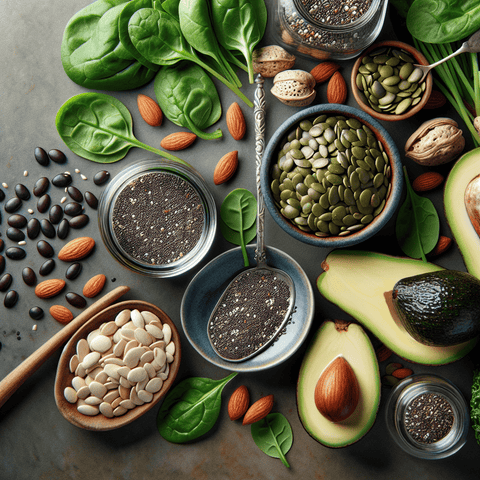
Magnesium is an essential mineral that the body cannot make itself, so it has to come from food and drink every day. Yet it is also one of the nutrients people have the most questions about: which foods actually contain meaningful amounts, how much is needed per day, and whether ordinary meals can cover the target. This page is the hub for that broader topic — the high magnesium foods list, explained at the level of food groups, servings and daily intake.
Below you will find an overview of magnesium-rich foods by category with approximate values per serving, guidance on daily reference amounts, practical ideas for building meals around magnesium-rich ingredients, and the wider context on absorption, low intake and supplementation. More specific questions — such as detailed food comparisons or the differences between supplement forms — are explored in the dedicated articles listed with this tag.
What Is Magnesium and Why Does It Matter?
Magnesium is one of several essential minerals the body relies on. It contributes to normal muscle and nerve function, normal energy-yielding metabolism and the maintenance of normal bones and teeth — functions that are also reflected in authorised nutrition and health claims in the EU. Most of the body's magnesium is stored in bones and soft tissues, and because the body does not produce the mineral itself, a regular dietary supply is important.
Magnesium sits in the wider family of dietary minerals alongside nutrients such as calcium, iron and zinc. If you want the bigger picture of this nutrient group, our guide to mineral supplements covers the whole range in more detail.
Top Magnesium-Rich Foods at a Glance
Magnesium is widely distributed in plant and animal foods, but the highest concentrations are found in seeds, nuts, legumes, leafy greens and whole grains. Looking for a single standout food? Roasted pumpkin seeds are frequently cited as the richest common source per typical serving. The figures below are approximate values for common servings based on standard food composition data; actual amounts vary with variety, preparation and portion size. Percentages are expressed against the daily value (DV) of 420 mg used on nutrition labels.
Seeds and Nuts
- Pumpkin seeds, roasted: about 150 mg per 28 g serving, roughly 35% DV.
- Chia seeds: about 110 mg per 28 g serving, roughly 26% DV.
- Almonds, roasted: about 80 mg per 28 g serving, roughly 19% DV.
- Cashews, roasted: about 75 mg per 28 g serving, roughly 18% DV.
- Peanut butter: about 50 mg per 2 tablespoons, roughly 12% DV.
Legumes, Beans and Soy
- Black beans, cooked: about 60 mg per ½ cup, roughly 14% DV.
- Edamame, shelled and cooked: about 50 mg per ½ cup, roughly 12% DV.
- Kidney beans, cooked: about 35 mg per ½ cup, roughly 8% DV.
- Tofu: a useful plant-based contributor, although the amount varies depending on the setting agent used in production.
Leafy Greens and Vegetables
- Spinach, boiled: about 78 mg per ½ cup, roughly 19% DV.
- Swiss chard and other dark leafy greens: also rank among the more concentrated vegetable sources.
- Potato, baked with skin: about 45 mg for a medium potato, roughly 10% DV.
- Avocado: about 44 mg per cup of cubes, roughly 10% DV.
- Broccoli, cooked: about 12 mg per ½ cup, roughly 3% DV.
Whole Grains
- Quinoa, cooked: about 60 mg per ½ cup, roughly 14% DV.
- Brown rice, cooked: about 40 mg per ½ cup, roughly 10% DV.
- Oatmeal, cooked: about 35 mg per packet, roughly 8% DV.
- Whole wheat bread: about 45 mg per two slices, roughly 11% DV.
Fish, Dairy and Other Sources
- Salmon, cooked: about 25 mg per 90 g serving, roughly 6% DV.
- Plain yogurt, low-fat: about 40 mg per 225 g portion, roughly 10% DV.
- Milk: about 25 mg per cup, roughly 6% DV.
- Dark chocolate with a high cacao content: roughly 50–65 mg per 28 g, around 12–15% DV.
- Banana: about 30 mg for a medium banana, roughly 7% DV.
Fruit, vegetables, fish and dairy contribute less per serving than seeds, nuts or legumes, but because they appear so often in everyday meals they still add a meaningful amount over the course of a day.
How Much Magnesium Do You Need Per Day?
Reference intakes for magnesium differ between countries and depend on age and sex. In many official guidelines, adult targets fall roughly between 300 and 420 mg per day, with men generally having higher reference values than women and needs rising during certain life stages such as pregnancy. The round figure of 400 mg per day is often used as a practical orientation point for adults, but individual requirements vary — the guidance published by the health authority in your country is the most reliable reference.
The percentages used throughout this page are calculated against the daily value of 420 mg shown on nutrition labels. They are intended as orientation, not as personalised advice.
Reaching Your Daily Magnesium Target With Food
For most people who eat a varied, largely unprocessed diet, a daily intake in the region of 400 mg is realistic without drastic changes. The key is to combine several rich and moderate sources across the day rather than relying on one single food. Small, repeatable adjustments tend to work best:
- Sprinkle pumpkin seeds or chia seeds over breakfast cereals, yogurt or salads.
- Choose whole grain versions of bread, rice and pasta instead of refined options.
- Add beans, lentils or edamame to soups, salads and main dishes several times a week.
- Keep a small portion of nuts or dark chocolate as a standby snack.
- Cook leafy greens such as spinach regularly as a side dish.
- Use soy milk in smoothies or muesli — a cup provides roughly 60 mg, around 15% of the daily value.
Drinks can contribute as well. Soy milk is one of the richer options at roughly 60 mg per cup, some mineral waters naturally contain magnesium — the exact amount is stated on the label — and green smoothies made with spinach or other leafy greens combine a drink with one of the most concentrated vegetable sources.
A Sample Day of Magnesium-Rich Eating
To show how this works in practice, the following pattern illustrates how magnesium-rich foods can be spread across a normal day. It is an example for orientation, not a dietary prescription:
- Breakfast: oatmeal topped with pumpkin seeds, chia seeds and a sliced banana.
- Lunch: a grain bowl with quinoa or brown rice, black beans, spinach and avocado.
- Snack: a small handful of almonds, a few squares of dark chocolate, or a glass of soy milk.
- Dinner: baked salmon with steamed leafy greens and whole grain bread.
A day built along these lines brings together several of the richest sources and shows how the approximate daily target can be approached through ordinary meals rather than special products.
What Affects Magnesium Absorption?
The magnesium listed for a food is not always the amount the body ultimately absorbs. Uptake depends partly on the food matrix and on other compounds present in the same meal. Phytates, which occur naturally in whole grains, seeds and legumes, can bind minerals including magnesium and somewhat reduce absorption. This is one reason a varied overall diet matters more than any single ideal food.
Preparation can play a role too. Soaking, sprouting or fermenting grains and legumes may lower phytate levels, and cooking methods in which water is discarded can reduce mineral content. These effects are modest; for most people with a varied diet they are not a cause for concern.
Low Magnesium Intake: General Context and Supplementation
Magnesium intakes below recommended levels are not unusual in Western-style eating patterns that lean heavily on refined and processed foods. Overt deficiency, by contrast, is considered uncommon in otherwise healthy people, because the body regulates magnesium levels closely.
Possible Signs of Low Magnesium Intake
Persistently low intake can be accompanied by non-specific signs such as fatigue, muscle cramps, weakness or loss of appetite. Because these symptoms have many possible causes, they are no basis for self-diagnosis. Anyone who suspects a magnesium deficiency should discuss it with a doctor or another qualified healthcare professional, who can assess the situation properly.
Where Supplements Fit In
A food-first approach is generally the sensible starting point. Some people — for example those with restricted diets or increased losses — additionally consider magnesium supplements to complement their intake. These products come in several forms, such as citrate, glycinate, oxide and malate, which differ in their properties; the right form and amount depend on individual circumstances, so the product label and professional guidance are the best reference points.
Others prefer a broader approach: many multivitamins include magnesium alongside other vitamins and minerals, which can be a simple way to round out general nutrient intake. As with any supplement, it is wise to stay within the recommended intake stated on the label and to consult a professional first if you take medication or have a kidney condition.
Exploring This Topic Further
This page is the starting point for the broader topic rather than the final word. The individual articles associated with this tag go deeper into specific questions — detailed comparisons of individual foods, the differences between magnesium supplement forms, and when supplementation is worth discussing with a professional.
A practical way to use this hub: begin with the food list to see which ingredients carry the most magnesium per serving, use the daily intake guidance to understand how meals add up, and then browse the related articles for the specific questions most relevant to you.