
Découvrez des sources holistiques de vitamine D en allant au-delà d'une seule solution et en considérant l'intersection du soleil, de la vie quotidienne et de votre environnement. Cet article se concentre sur une approche holistique des sources de vitamine D, vous invitant à réfléchir à l'exposition au soleil, aux habitudes de vie et aux facteurs contextuels dans leur ensemble plutôt que séparément. En encadrant la vitamine D sous cet angle plus large, vous pouvez explorer des options adaptées à votre rythme, votre emplacement et vos préférences. Commencez à vous sentir mieux en apprenant à naviguer ces éléments de manière équilibrée et pratique. Le soleil est un composant naturel des sources holistiques de vitamine D. Dans cette optique, des pratiques sûres d’exposition au soleil sont essentielles, et les décisions concernant cette exposition doivent être guidées par votre localisation, la saison et votre type de peau. Réfléchissez aux moments de la journée où le soleil est le plus accessible, comment intégrer du temps en extérieur dans votre routine quotidienne, et comment équilibrer l’exposition avec la protection. N’oubliez pas que le soleil n’est qu'une partie d’une image plus grande, et que les directives locales peuvent vous aider à adapter ces habitudes en toute sécurité. Les conseils liés au mode de vie sont importants pour les sources holistiques de vitamine D. Envisagez comment vos routines quotidiennes, votre temps à l’extérieur et votre exposition à la lumière du jour peuvent être intégrés de manière simple et réaliste dans votre vie. De petits changements — comme intégrer une courte pause en extérieur pendant le travail, choisir des itinéraires qui maximisent la lumière du jour ou créer des espaces qui invitent à la lumière naturelle — peuvent devenir partie intégrante d’une approche globale. L’accent est mis sur des suggestions pratiques, adaptables, qui respectent vos circonstances et préférences personnelles. Mettre tout ensemble : un cadre pratique pour les sources holistiques de vitamine D. Ce guide vous invite à réfléchir à votre environnement, votre emploi du temps et votre niveau de confort, et à utiliser ces idées comme point de départ pour une exploration personnelle. Si vous avez des questions ou besoin d’un accompagnement sur mesure, envisagez de consulter un professionnel qualifié qui pourra vous aider à interpréter votre contexte unique dans le cadre des sources holistiques de vitamine D.
Sources naturelles de vitamine D : méthodes holistiques pour augmenter votre taux
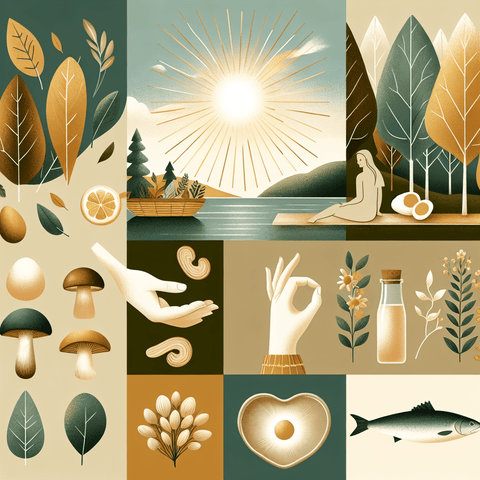
Vitamin D is a nutrient that has drawn considerable attention in recent years, and for good reason. It contributes to normal bone health, muscle function, and immune system function, yet many people wonder whether they are getting enough. The concept of holistic vitamin D sources brings together the various ways the body may obtain or produce this nutrient, including sun exposure, dietary choices, lifestyle habits, and in some cases, supplements. Rather than focusing on one single solution, a holistic view considers how these factors interact and how individual circumstances shape what works best.
This guide provides a broad overview of the main dimensions of holistic vitamin D sources. It is intended as general educational information, not personalised medical advice. If you have specific health concerns or questions about your vitamin D status, a qualified healthcare professional can help you interpret your individual situation.
What Are Holistic Vitamin D Sources?
Holistic vitamin D sources refer to the range of natural and lifestyle-related factors that may influence vitamin D levels in the body. This includes exposure to sunlight, consumption of certain foods, and broader lifestyle patterns that affect how much time you spend outdoors or how your daily routine is structured. The term holistic emphasises that these factors are interconnected rather than separate. For example, the amount of vitamin D your skin can produce depends on where you live, the season, the time of day, and your skin type. Similarly, the foods you eat and any supplements you take are part of a larger picture that includes your overall diet, health status, and personal preferences.
Understanding this broader context can help you make more informed decisions about your own habits. It also highlights why there is no single universal recommendation for vitamin D that fits everyone equally.
Sunlight and Vitamin D Synthesis
Sunlight is often the first thing people think of when considering natural vitamin D sources. When the skin is exposed to ultraviolet B (UVB) radiation from the sun, the body can begin a process that leads to vitamin D production. However, this process is influenced by many variables, which is why sun exposure alone does not guarantee a particular vitamin D level.
Factors That Influence Sun-Based Vitamin D Production
- Geographic location and latitude
- Season and time of day
- Skin pigmentation
- Age and individual skin characteristics
- Use of sunscreen and protective clothing
- Amount of skin exposed
Because of these variables, the amount of sun exposure that may support vitamin D synthesis varies from person to person and across seasons. Safe sun practices generally involve balancing the potential benefits of sun exposure with the known risks of overexposure. Local guidelines can provide useful context for your region. For many people, short periods of sun exposure on the skin, when the sun is available, may be part of a holistic approach.
Dietary Sources of Vitamin D
While sunlight is a well-known contributor to vitamin D synthesis, dietary sources also play a role. The number of naturally vitamin D-rich foods is relatively small, but some options are commonly available depending on your location and dietary preferences.
Natural Food Sources
- Fatty fish such as salmon, mackerel, and sardines
- Egg yolks
- Mushrooms exposed to UV light
- Some fortified foods, depending on local regulations (such as certain dairy products, plant-based milks, or breakfast cereals)
The vitamin D content of foods can vary based on the specific product, preparation method, and fortification practices. For this reason, food labels and local nutritional guidelines can be helpful resources. While dietary sources alone may not provide high amounts of vitamin D for everyone, they can contribute to overall intake as part of a varied diet.
Lifestyle Factors That May Influence Vitamin D Status
Beyond sun and food, daily lifestyle patterns can affect how much sun exposure you receive and how your body manages vitamin D. Small, practical adjustments to your routine may help you incorporate more daylight into your day, depending on your circumstances and preferences.
- Taking short outdoor breaks during work or study
- Choosing walking routes or outdoor activities that increase daylight exposure
- Creating spaces at home or work that invite natural light
- Being mindful of seasonal changes in daylight hours
These suggestions are not prescriptive and may not be suitable for everyone. The goal is simply to recognise that lifestyle habits can influence sun exposure, and therefore may be relevant to a holistic approach to vitamin D.
Vitamin D Supplements: General Considerations
For some people, vitamin D supplements may be a practical option when sun exposure or dietary intake is limited. Vitamin D supplements are available in different forms, such as drops, capsules, or tablets. The appropriate amount, if any, depends on individual factors including age, health status, and existing vitamin D levels. Because supplement needs can vary considerably, it is generally advisable to consult a qualified healthcare professional before starting or changing any supplement routine.
If you are exploring vitamin D supplements, you can find related options in our vitamin D benefits, sources, and safety category. You may also be interested in broader natural supplements or multivitamins that may include vitamin D as part of their formulation.
Factors That May Deplete or Affect Vitamin D
Certain factors may influence vitamin D status by affecting either synthesis or metabolism. While this is a complex area, some general considerations include:
- Limited sun exposure due to indoor work, climate, or lifestyle
- Dark skin pigmentation, which can reduce vitamin D synthesis from sunlight
- Older age, which may affect the skin's ability to produce vitamin D
- Certain medical conditions or medications that may affect vitamin D metabolism
This list is not exhaustive, and individual circumstances vary. If you have concerns about factors that may affect your vitamin D status, a healthcare professional can provide personalised guidance.
Common Questions About Holistic Vitamin D Sources
How do I raise my vitamin D naturally?
Natural approaches may include safe sun exposure, consuming foods that contain or are fortified with vitamin D, and supporting overall lifestyle habits that allow for daylight exposure. Individual results vary, and some people may still need additional support. A healthcare professional can help you assess your situation.
Can I take diltiazem with vitamin D?
Medication interactions are complex and depend on many individual factors. If you take diltiazem or any prescription medication, it is important to speak with your doctor or pharmacist before adding vitamin D supplements. They can provide guidance specific to your health situation.
How do Japanese people get vitamin D?
Dietary patterns vary across cultures, and in Japan, fish and seafood are common foods that may contribute to vitamin D intake. Sun exposure also plays a role, as it does for people everywhere. However, individual vitamin D status depends on many factors beyond diet and location.
What drains vitamin D from your body?
The idea that something actively drains vitamin D is not quite accurate. Instead, certain factors may reduce synthesis or affect metabolism, such as limited sun exposure, darker skin pigmentation, older age, and some medical conditions or medications. If you are concerned about your vitamin D status, a healthcare professional can help you understand your individual risk factors.
Exploring Holistic Vitamin D Sources Further
Holistic vitamin D sources encompass sun exposure, dietary choices, lifestyle habits, and in some cases, supplements. Because vitamin D status is influenced by so many variables, there is no one-size-fits-all approach. This page provides a broad overview to help you understand the topic and explore the subtopics that may be most relevant to you.
For more specific questions about vitamin D deficiency, dosage, interactions, or individual health conditions, dedicated articles and professional guidance can provide deeper insight. Always consult a qualified healthcare professional for advice tailored to your personal circumstances.