
{"" : "","target_locale":"fr","primary_keyword":"comment fonctionnent les gélules liposomales","source_content":null,"available_internal_urls":null,"source_content_raw":" Understanding how liposomal capsules work starts with their unique delivery system. Unlike standard capsules, liposomal capsules enclose nutrients—such as vitamin C or other active ingredients—inside tiny fat-like bubbles called liposomes. These microscopic spheres have a structure similar to cell membranes, which helps protect the nutrient as it travels through the digestive system. The main advantage of this design is improved absorption. Because the liposome's outer layer can fuse with cell membranes, the encapsulated nutrients may be delivered more efficiently into the bloodstream and cells. In theory, this means a greater proportion of the active ingredient reaches the body, compared to conventional capsules that must be broken down and absorbed through a more variable digestive process. However, the effectiveness of specific products can vary, and individual results may differ. While liposomal technology aims to enhance bioavailability, it is not a substitute for a balanced diet or medical treatment. Supplements like these are intended to support general nutritional intake, not to diagnose, treat, or prevent disease. If you consider adding liposomal supplements to your routine, it is wise to review the product's quality, ingredient transparency, and manufacturing standards. For more information on specific nutrient categories, you can explore our guides on
How Liposomal Capsules Work
\nWhat to Keep in Mind
\n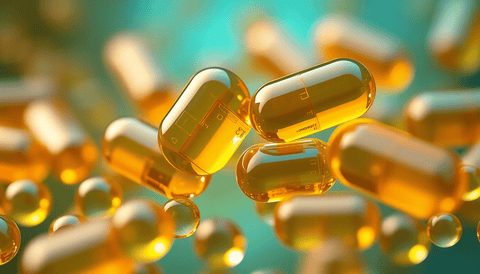
Comment fonctionnent les capsules liposomales : déverrouiller une absorption supérieure
{"content":"
Les compléments alimentaires liposomaux sont devenus l'un des formats d'administration les plus évoqués dans l'univers de la nutrition, promettant une meilleure absorption que les gélules et comprimés classiques. Mais la façon dont fonctionnent les gélules liposomales est souvent expliquée de manière superficielle, avec plus de marketing que de mécanisme derrière les affirmations. Ce guide explique, étape par étape, ce que signifie réellement « liposomal », comment les liposomes protègent les nutriments tout au long de leur parcours dans le système digestif, pourquoi la biodisponibilité compte plus que les milligrammes affichés sur l'étiquette, et dans quels cas une gélule liposomale peut réellement valoir la peine d'être envisagée par rapport aux sources alimentaires ou aux compléments conventionnels.
\n\n
Que signifie « liposomal » dans une gélule de complément alimentaire ?
\n\n
La définition de base de l'administration liposomale
\n
Le terme « liposomal » désigne l'utilisation de liposomes : des vésicules microscopiques composées de phospholipides, la même classe de molécules lipidiques qui forme les membranes de vos propres cellules. Un liposome est essentiellement une minuscule bulle constituée d'une double couche lipidique entourant un espace intérieur. Les nutriments hydrosolubles peuvent être retenus dans cette chambre interne, tandis que les composés liposolubles peuvent être incorporés dans la couche lipidique elle-même.
\n
Cette structure est importante car la membrane phospholipidique est chimiquement similaire aux membranes des cellules humaines. Cette similitude permet aux liposomes d'interagir facilement avec les cellules tapissant l'intestin, ce qui constitue le fondement théorique d'une meilleure administration.
\n\n
Comment les liposomes encapsulent les nutriments pour le transport
\n
Lors de la fabrication, les phospholipides sont combinés au nutriment de manière à s'auto-assembler en vésicules, le nutriment étant piégé à l'intérieur ou incorporé dans la membrane. Une fois avalée, la gélule agit comme une navette protectrice. Elle protège sa cargaison de l'acide gastrique, des enzymes digestives et des autres conditions hostiles du tube digestif supérieur qui dégraderaient ou immobiliseraient autrement une partie du nutriment.
\n
Lorsque les liposomes atteignent l'intestin grêle, ils peuvent être absorbés directement par les cellules intestinales, fusionner avec les membranes cellulaires ou libérer progressivement leur contenu. Les mécanismes exacts font encore l'objet de recherches actives, et l'efficacité de l'administration dépend fortement de la qualité de fabrication des liposomes.
\n\n
Principales différences : gélules liposomales et gélules standards
\n
Dans une gélule standard, le nutriment est présent sous forme libre, souvent avec des charges simples. Il est entièrement exposé à l'acide gastrique et aux sécrétions digestives, et son absorption dépend entièrement des systèmes de transport habituels de l'organisme, qui peuvent s'engloutir à des doses plus élevées. Dans une gélule liposomale, le nutriment est enfermé dans des vésicules phospholipidiques avant même la prise, ce qui ajoute une couche de protection et une voie d'absorption alternative.
\n
Il convient de noter que les produits liposomaux existent sous différentes formes. Les préparations liposomales liquides contiennent souvent des structures liposomales plus visibles, tandis que les gélules liposomales associent généralement une poudre ou des microgranulés liposomaux à une coque de gélule dure pour plus de stabilité, une posologie pratique et une prise sans goût. Les deux peuvent être légitimes ; c'est la qualité de la formation du liposome qui compte le plus.
\n\n
Comment fonctionnent les gélules liposomales dans le système digestif
\n\n
Ce qui se passe pendant la digestion : de la gélule à l'absorption
\n
Lorsque vous avalez une gélule liposomale, la coque de gélatine ou végétale se dissout dans l'estomac, libérant les particules liposomales. Les liposomes doivent ensuite survivre à l'exposition à l'acide gastrique et aux sels biliaires. Les liposomes bien formés résistent suffisamment à cet environnement pour atteindre l'intestin grêle, où s'effectue la majeure partie de l'absorption des nutriments.
\n
Là, les liposomes rencontrent les cellules intestinales. Certains fusionnent avec la membrane cellulaire et libèrent leur cargaison à l'intérieur de la cellule ; d'autres sont absorbés intacts par des mécanismes incluant l'endocytose. De là, les nutriments passent dans la circulation sanguine ou le système lymphatique, selon le composé.
\n\n
Pourquoi l'effet de premier passage hépatique limite l'absorption standard des nutriments
\n
Les nutriments absorbés par la veine porte passent par le foie avant d'atteindre la circulation générale, un phénomène appelé effet de premier passage. Pour certains composés, notamment les composés végétaux liposolubles comme la curcumine, le foie métabolise une grande partie de la dose absorbée avant qu'elle n'atteigne le reste du corps. L'administration liposomale, en particulier lorsqu'une partie de l'absorption s'effectue par les voies lymphatiques, peut réduire ce pré-traitement métabolique pour certains nutriments.
\n\n
Comment les liposomes aident à contourner les barrières d'absorption standards
\n
L'absorption standard repose sur des protéines de transport spécifiques, dont beaucoup ont une capacité limitée. La vitamine C à forte dose en est un exemple classique : à mesure que les doses orales augmentent, la fraction absorbée par les transporteurs diminue. La vitamine C liposomale peut partiellement contourner ce goulot d'étranglement, car l'absorption par fusion membranaire ne dépend pas des mêmes transporteurs saturés. C'est pourquoi le bénéfice potentiel de l'administration liposomale est le plus important pour les nutriments présentant des limites d'absorption connues, plutôt que pour ceux qui sont déjà bien absorbés.
\n\n
Pourquoi l'absorption des nutriments compte pour votre santé
\n\n
La différence entre absorber un nutriment et en avaler un
\n
Avancer un nutriment ne fait qu'initier le processus. Un nutriment n'apporte un bénéfice que dans la mesure où il est digéré, absorbé dans la circulation et utilisé par les cellules. Les formes mal absorbées peuvent traverser le tube digestif en grande partie inutilisées, ce qui signifie que la dose indiquée sur l'étiquette peut considérablement surestimer ce que l'organisme reçoit réellement.
\n\n
Comment l'absorption influence le bénéfice nutritionnel réellement reçu
\n
La biodisponibilité, c'est-à-dire la proportion d'un nutriment ingéré qui atteint la circulation sous une forme utilisable, varie considérablement selon les nutriments, les formes chimiques et les individus. La vitamine C des aliments est généralement bien absorbée à doses modérées ; la curcumine est notoirement mal absorbée sans amélioration. Comprendre la biodisponibilité aide à expliquer pourquoi deux produits avec des quantités identiques en milligrammes peuvent produire des résultats nutritionnels très différents.
\n\n
Idées reçues courantes : plus de milligrammes ne signifie pas toujours plus de nutriments absorbés
\n
Une idée reçue répandue veut que doubler la dose double le bénéfice. En réalité, l'efficacité d'absorption diminue souvent à des doses plus élevées, et pour certains nutriments, l'excès est simplement excrété ou, à des niveaux suffisamment élevés, potentiellement nocif. Une dose modérée sous une forme bien absorbée peut être plus efficace qu'une dose élevée sous une forme mal absorbée, ce qui constitue précisément l'argument en faveur des formats liposomaux et d'autres systèmes d'administration améliorée.
\n\n
Facteurs qui influencent l'absorption des nutriments par votre organisme
\n\n
Âge et santé digestive
\n
L'efficacité d'absorption évolue tout au long de la vie. La production d'acide gastrique tend à diminuer avec l'âge, ce qui peut réduire l'absorption de nutriments comme la vitamine B12. Les troubles digestifs, les chirurgies et certains médicaments peuvent encore altérer la capacité de l'organisme à extraire les nutriments des aliments et des compléments standards.
\n\n
Intégrité de la barrière intestinale et production d'enzymes digestives
\n
La paroi intestinale est le gardien de l'absorption des nutriments. Les affections touchant la muqueuse intestinale, comme la maladie cœliaque ou les maladies inflammatoires chroniques de l'intestin, peuvent réduire l'absorption de nombreux nutriments. Une production adéquate d'enzymes digestives et de bile est également essentielle ; sans elles, même les compléments bien formulés font face à un environnement moins réceptif.
\n\n
Rôle du moment de la prise alimentaire et de la co-consommation
\n
Certains nutriments sont mieux absorbés avec les aliments. Les vitamines liposolubles et les composés comme la curcumine bénéficient d'une prise avec des graisses alimentaires, qui stimule la libération de bile. D'autres, comme certains minéraux, peuvent se faire concurrence pour l'absorption lorsqu'ils sont pris ensemble. Le moment de la prise et la co-consommation restent pertinents même avec les formats d'administration améliorée, bien que l'encapsulation liposomale puisse réduire, sans nécessairement éliminer, ces dépendances.
\n\n
Variations génétiques des transporteurs de nutriments
\n
Les différences individuelles au niveau des protéines de transport et des enzymes font que deux personnes peuvent absorber différemment le même aliment ou complément. Les recherches sur ces variations se poursuivent, mais sur le plan pratique, il faut retenir que les réponses individuelles à tout format de nutriment, liposomal ou non, peuvent varier.
\n\n
Sources alimentaires et compléments liposomaux : quand l'alimentation ne suffit pas
\n\n
Meilleures sources alimentaires des nutriments couramment liposomaux
\n
La vitamine C est abondante dans les agrumes, le kiwi, les poivrons, les fraises et les légumes brassicacées. La vitamine B12 se trouve presque exclusivement dans les produits d'origine animale tels que la viande, le poisson, les œufs et les produits laitiers, ainsi que dans les aliments enrichis. La curcumine provient de la racine de curcuma, généralement consommée comme épice en quantités relativement faibles. L'apport en vitamine C par l'alimentation est réalisable pour la plupart des personnes qui suivent une alimentation variée riche en fruits et légumes.
\n\n
Pourquoi certains nutriments sont difficiles à absorber par les aliments seuls
\n
La curcumine illustre bien le défi : elle est mal absorbée, rapidement métabolisée et rapidement éliminée par l'organisme. Les approches traditionnelles comme la consommation avec du poivre noir ou des graisses aident quelque peu, mais la biodisponibilité reste faible par rapport aux formes d'administration améliorée. Pour des nutriments de ce type, un complément de curcumine à administration améliorée peut faire une différence notable par rapport à la seule consommation culinaire.
\n\n
Mode de vie et habitudes alimentaires qui augmentent les besoins nutritionnels
\n
Le tabagisme augmente les besoins en vitamine C. L'entraînement physique intensif accroît la demande de plusieurs nutriments. Les régimes restrictifs, les habitudes alimentaires véganes (pertinentes pour la B12), la grossesse, la maladie et le stress chronique peuvent tous augmenter les besoins. Ces situations n'exigent pas automatiquement des compléments, mais elles expliquent pourquoi l'apport alimentaire seul peut être insuffisant pour certaines personnes.
\n\n
Quels nutriments sont couramment administrés sous forme liposomale ?
\n\n
Vitamine C liposomale : pourquoi la biodisponibilité compte
\n
La vitamine C est hydrosoluble et absorbée par des transporteurs saturables, ce qui signifie qu'à des doses orales élevées, l'efficacité d'absorption chute fortement. Les recherches sur la vitamine C liposomale suggèrent qu'elle peut produire des niveaux circulants plus élevés que la même dose sous forme standard, bien que les études varient en conception et en ampleur de l'effet. Pour la plupart des gens, l'alimentation couvre adéquatement les besoins en vitamine C ; les formats liposomaux sont principalement pertinents pour ceux qui recherchent des apports plus élevés ou qui présentent des difficultés d'absorption.
\n\n
Vitamines B liposomales et métabolisme énergétique
\n
Les vitamines B, dont la B12, sont essentielles au métabolisme énergétique, à la formation des globules rouges et au fonctionnement du système nerveux. Les personnes âgées et celles suivant des régimes véganes ou végétariens font partie des groupes les plus susceptibles d'avoir un apport ou une absorption insuffisante de B12. Les vitamines B sous forme de compléments sont bien établies ; l'administration liposomale peut apporter une valeur ajoutée principalement en cas d'absorption digestive altérée, pas pour tout le monde.
\n\n
Curcumine liposomale et autres composés liposolubles
\n
La curcumine, la quercétine et d'autres composés végétaux liposolubles sont les candidats les plus évidents pour l'administration liposomale, car leur biodisponibilité naturelle est très faible. L'encapsulation dans des phospholipides, parfois combinée à d'autres améliorants d'absorption, peut augmenter considérablement les niveaux circulants par rapport aux extraits non formulés. Les produits à base de curcuma et de curcumine existent sous de nombreuses formes, et la technologie d'administration est un différenciateur clé entre eux.
\n\n
Pourquoi l'administration liposomale n'est pas nécessairement bénéfique pour chaque nutriment
\n
Les nutriments déjà très biodisponibles, comme de nombreux minéraux sous forme chélatée ou les formes de vitamines bien absorbées, peuvent tirer peu de bénéfice de l'encapsulation liposomale. Dans certains cas, la technologie liposomale ajoute des coûts sans avantage clairement démontré. La qualité des preuves varie également : la vitamine C liposomale et la curcumine bénéficient de quelques recherches humaines, tandis que les affirmations concernant d'autres nutriments reposent souvent sur un raisonnement théorique ou de petites études. Une approche sceptique et fondée sur les preuves est appropriée.
\n\n
Quand la supplémentation avec des gélules liposomales vaut-elle la peine d'être envisagée ?
\n\n
Situations où l'apport oral peut être insuffisant
\n
La supplémentation devient pertinente lorsque l'apport alimentaire ne couvre pas les besoins. Pour la vitamine C, c'est rare chez les personnes qui consomment beaucoup de fruits et légumes. Pour la B12, c'est plus pertinent pour les végans, les végétariens et les personnes âgées. Pour la curcumine, il n'y a pas d'apport alimentaire significatif aux niveaux de consommation d'épices habituels, donc tout usage ciblé repose sur les compléments.
\n\n
Troubles de malabsorption et affections digestives
\n
Les personnes atteintes de maladie cœliaque, de maladie de Crohn, de rectocolite hémorragique, d'insuffisance pancréatique, ayant subi une chirurgie bariatrique ou utilisant des médicaments antiacides de manière prolongée peuvent mal absorber les nutriments. Dans ces situations, les formats d'administration améliorée peuvent constituer une option raisonnable, mais ils doivent être discutés avec un professionnel de santé, car ces affections nécessitent également une prise en charge médicale adéquate.
\n\n
Besoins physiologiques accrus : stades de vie et mode de vie
\n
La grossesse et l'allaitement, la récupération après une maladie, l'entraînement physique intensif et l'âge avancé augmentent tous la demande de certains nutriments ou réduisent l'efficacité d'absorption. Ce sont des situations où l'écart entre l'apport alimentaire et le besoin physiologique se creuse, rendant les formes de compléments bien absorbées plus pertinentes.
\n\n
Les limites : quand un complément n'est pas un substitut aux soins médicaux
\n
Aucun complément, liposomal ou non, ne traite ou ne guérit de maladie. Si vous présentez des symptômes persistants, une carence diagnostiquée ou une affection digestive chronique, l'évaluation professionnelle passe d'abord. Les compléments peuvent soutenir le statut nutritionnel ; ils ne peuvent remplacer un diagnostic, un traitement médical ou un conseil diététique.
\n\n
Comment choisir un complément liposomal de gélules de haute qualité
\n\n
Source et qualité des phospholipides
\n
Les phospholipides formant les liposomes sont généralement dérivés de lécithine de tournesol ou de soja. Les phospholipides dérivés du tournesol conviennent aux personnes évitant le soja. Recherchez des produits qui précisent leur source de phospholipides et, idéalement, qui utilisent de la phosphatidylcholine purifiée ou des fractions similaires bien caractérisées plutôt que de la simple « lécithine » générique. Vous pouvez explorer les produits de compléments à base de phospholipides pour voir comment les marques présentent cette information.
\n\n
Concentration en liposomes et efficacité d'encapsulation
\n
Tous les produits étiquetés « liposomaux » ne contiennent pas des liposomes bien formés. L'efficacité d'encapsulation, c'est-à-dire le pourcentage du nutriment réellement contenu dans des vésicules par rapport à la forme libre, varie considérablement selon les fabricants. Les marques réputées utilisent des techniques de production validées et, dans certains cas, publient des données sur la taille des particules ou l'encapsulation. Les affirmations d'administration liposomale sans détails justificatifs méritent un examen attentif.
\n\n
Synergie des ingrédients : pourquoi les co-facteurs comptent
\n
Certaines formules associent des nutriments liposomaux à des co-facteurs favorisant l'absorption, comme la pipérine (extrait de poivre noir) avec la curcumine, ou des vecteurs liposolubles avec des nutriments lipodépendants. La synergie peut être significative, mais davantage d'ingrédients n'est pas intrinsèquement mieux ; chaque ajout devrait avoir une justification claire.
\n\n
Quoi rechercher dans la liste des ingrédients
\n
Une étiquette transparente nomme la forme exacte du nutriment (par exemple, ascorbate de sodium plutôt qu'acide ascorbique), la source des phospholipides et la quantité par portion. Des listes d'ingrédients courtes et ciblées sont généralement un signe positif. Évitez les produits qui se cachent derrière des mélanges propriétaires obscurcissant la quantité réelle de chaque composant.
\n\n
Comment lire correctement une étiquette de complément liposomal
\n\n
Comprendre « quantité par portion » et forme du nutriment
\n
Vérifiez à la fois la quantité par portion et la forme chimique du nutriment. Par exemple, un produit de vitamine C peut mentionner de l'ascorbate de sodium plutôt que de l'acide ascorbique, ce qui affecte la tolérance chez certaines personnes. La forme peut influencer la solubilité, la tolérance et parfois l'absorption.
\n\n
Décoder la teneur en phospholipides et le pourcentage de liposomes
\n
Certaines étiquettes indiquent la teneur totale en phospholipides séparément de la dose du nutriment. Cela vous indique la quantité de matériel d'encapsulation présente, mais pas nécessairement la quantité de nutriment réellement encapsulée. Si une marque divulgue l'efficacité d'encapsulation ou la caractérisation des particules, c'est un signe de transparence ; si elle se contente de dire « liposomal » sans détails, traitez cette affirmation avec prudence.
\n\n
Signaux d'alerte : sucres ajoutés, huiles ou charges inutiles
\n
Les édulcorants en excès, les huiles hydrogénées, les colorants artificiels ou les longues listes de charges suggèrent que l'étiquette « liposomal » relève davantage du marketing que du mécanisme. Ces ajouts ne favorisent pas l'absorption et peuvent entrer en conflit avec des préférences ou des restrictions alimentaires.
\n\n
Interpréter les certifications et les sceaux de tests tiers
\n
Les tests tiers portant sur l'identité, la pureté et les niveaux de contaminants ajoutent une couche indépendante d'assurance qualité. Les certifications reconnues, ainsi que les tests par lot ou les certificats d'analyse, indiquent que le fabricant vérifie ce que l'étiquette affirme. Comme l'industrie des compléments n'est pas réglementée de manière uniforme pour la qualité des liposomes, cela importe davantage pour les produits liposomaux que pour les formules de base.
\n\n
Qui peut le plus bénéficier de l'administration liposomale
\n\n
Personnes souffrant d'affections digestives altérant l'absorption
\n
Les personnes atteintes de maladies inflammatoires chroniques de l'intestin, de maladie cœliaque (en particulier avant ou pendant la gestion alimentaire) ou avec une anatomie post-chirurgicale peuvent trouver les formats d'administration améliorée utiles. Cela devrait idéalement être coordonné avec un suivi médical et une surveillance du statut nutritionnel.
\n\n
Personnes âgées et efficacité digestive en déclin
\n
La réduction de l'acide gastrique, la digestion plus lente et la diminution de la production d'enzymes rendent les personnes âgées plus sujettes à une absorption réduite de nutriments comme la B12. Un format ne dépendant pas entièrement des processus digestifs conventionnels peut être une option sensée.
\n\n
Personnes ayant des besoins nutritionnels élevés ou des régimes restrictifs
\n
Les athlètes, les personnes en convalescence, les fumeurs et les personnes suivant des régimes restrictifs ou véganes peuvent avoir des besoins plus difficiles à satisfaire par les aliments seuls. Dans certains de ces cas, un complément standard suffit ; pour les nutriments à absorption naturelle faible, les formats liposomaux ont une justification plus claire.
\n\n
Pourquoi des tests et des conseils professionnels peuvent d'abord être nécessaires
\n
Les symptômes comme la fatigue ou une immunité faible sont non spécifiques et ne peuvent pas confirmer une carence nutritionnelle. Les analyses de sang, comme la B12 sérique, la ferritine ou d'autres marqueurs validés, fournissent des informations bien plus fiables que les suppositions. Si vous suspectez une carence, se tester avant de se supplémenter évite une utilisation inutile et aide à identifier toute cause sous-jacente nécessitant une attention médicale.
\n\n
Sécurité, effets secondaires et interactions
\n\n
Les compléments liposomaux sont-ils bien tolérés ?
\n
Les produits liposomaux sont généralement bien tolérés. Les phospholipides comme la phosphatidylcholine sont des composants alimentaires courants. Des effets digestifs légers, comme des selles molles ou des maux d'estomac, peuvent survenir, particulièrement à des doses plus élevées, et sont généralement liés davantage au nutriment lui-même qu'au vecteur liposomal.
\n\n
Interactions potentielles avec les médicaments et conditions de santé
\n
Les interactions spécifiques aux nutriments s'appliquent toujours. La vitamine C à fortes doses peut affecter certaines analyses de laboratoire et peut interagir avec certains médicaments. La curcumine peut influencer la coagulation sanguine et interagir avec les anticoagulants. La supplémentation en B12 peut masquer certaines anomalies sanguines si elle est utilisée sans diagnostic. Si vous prenez des médicaments sur ordonnance ou gérez un problème de santé, consultez un professionnel de santé avant d'ajouter tout complément.
\n\n
Limites supérieures de sécurité et risque d'apport excessif
\n
Une meilleure absorption n'est pas automatiquement plus sûre. Pour la vitamine C, des limites supérieures d'apport établies existent pour une utilisation complémentaire à long terme, et les dépasser augmente le risque d'effets secondaires digestifs et, chez les personnes prédisposées, d'autres préoccupations. Une biodisponibilité améliorée signifie qu'une dose plus faible en milligrammes peut produire le même effet qu'une dose plus élevée sous forme standard, ce qui est une raison de suivre les instructions de l'étiquette plutôt que de doubler les doses.
\n\n
Aide à la décision pratique : la gélule liposomale est-elle faite pour vous ?
\n\n
Questions à vous poser sur votre alimentation et votre état de santé
\n
Avant d'envisager un complément, évaluez honnêtement : est-ce que je mange une alimentation variée couvrant le nutriment en question ? Ai-je un trouble digestif ou prends-je des médicaments affectant l'absorption ? Y a-t-il une raison spécifique et fondée sur des preuves de préférer l'administration améliorée pour ce nutriment ? Répondre à ces questions aide à distinguer un besoin réel d'une simple influence marketing.
\n\n
Quand les sources alimentaires et les compléments standards suffisent
\n
Pour la plupart des adultes en bonne santé suivant une alimentation équilibrée, les aliments restent la source privilégiée de la plupart des nutriments, et les formes standard de compléments sont efficaces pour combler des lacunes bien identifiées. La technologie liposomale offre l'avantage le plus net pour les nutriments à biodisponibilité intrinsèquement faible ou pour les personnes présentant des difficultés d'absorption démontrées.
\n\n
Signes qu'un conseil professionnel ou des tests peuvent être utiles
\n
Une fatigue persistante, des symptômes inexpliqués, un trouble de malabsorption diagnostiqué, des changements alimentaires majeurs prévus ou une prise régulière de médicaments sont autant de situations où un avis professionnel apporte une réelle valeur. Les analyses de sang peuvent confirmer objectivement le statut nutritionnel, orientant si, quoi et combien supplémenter, le cas échéant.
\n\n
À retenir : ce qu'il faut savoir sur les gélules liposomales
\n\n
Points clés sur le fonctionnement des gélules liposomales
\n
Les gélules liposomales enveloppent les nutriments dans des vésicules phospholipidiques qui les protègent de la dégradation digestive et peuvent offrir des voies d'absorption alternatives dans l'intestin. Cela peut améliorer significativement la biodisponibilité des nutriments à absorption naturelle faible, comme la curcumine, et potentiellement pour la vitamine C à forte dose, mais offre un bénéfice limité pour les nutriments déjà bien absorbés.
\n\n
Comment aborder votre choix : information, preuves et conseils professionnels
\n
Commencez par l'alimentation, évaluez honnêtement vos besoins réels et utilisez des tests plutôt que des symptômes pour évaluer votre statut nutritionnel. Si vous choisissez un produit liposomal, privilégiez les étiquettes transparentes, les sources de phospholipides de qualité et la vérification par des tiers plutôt que les affirmations marketing audacieuses. Un complément bien choisi doit répondre à un objectif nutritionnel clair, et en cas de doute, un professionnel de santé ou un diététicien diplômé peut vous aider à décider si l'administration liposomale vaut réellement la peine dans votre situation.
\n\n
Points essentiels
\n
- Les gélules liposomales enferment les nutriments dans des vésicules phospholipidiques qui les protègent de l'acide gastrique et des enzymes digestives pendant le transit.
- Comme les membranes des liposomes ressemblent aux membranes cellulaires humaines, ils peuvent administrer les nutriments par des voies d'absorption qui contournent certains transporteurs intestinaux saturés.
- La biodisponibilité améliorée compte le plus pour les nutriments à absorption naturelle faible, comme la curcumine, et potentiellement pour la vitamine C à forte dose.
- Prendre plus de milligrammes ne garantit pas plus de nutriments absorbés ; l'efficacité d'absorption diminue souvent à des doses plus élevées.
- L'alimentation d'abord : la plupart des gens peuvent couvrir leurs besoins en vitamine C par les fruits et légumes, tandis que la B12 mérite l'attention des végans et de certaines personnes âgées.
- L'âge, les troubles digestifs, les médicaments et les variations génétiques influencent tous l'absorption des nutriments quel que soit le format.
- La qualité varie considérablement parmi les produits « liposomaux » ; recherchez des sources de phospholipides précisées, des étiquettes transparentes et des tests tiers.
- Une meilleure absorption n'est pas une licence pour des doses plus élevées : les limites supérieures d'apport s'appliquent toujours, et un apport excessif peut causer des effets secondaires.
- Les symptômes seuls ne peuvent pas établir le statut nutritionnel ; les analyses de sang et les conseils professionnels sont plus fiables que les suppositions.
\n\n
Questions fréquentes
\n\n
Qu'est-ce qu'une gélule liposomale exactement ?
\n
Une gélule liposomale contient des nutriments enfermés dans des vésicules microscopiques composées de phospholipides, le même type de molécules lipidiques qui forme les membranes cellulaires humaines. La coque de la gélule elle-même est conventionnelle ; la technologie liposomale réside dans la façon dont le nutriment à l'intérieur est emballé et protégé.
\n\n
Les gélules liposomales sont-elles vraiment mieux absorbées ?
\n
Pour certains nutriments, les preuves suggèrent que oui. La vitamine C liposomale et la curcumine ont été associées à des niveaux circulants plus élevés que les formes standard dans certaines études. Pour les nutriments déjà bien absorbés, l'avantage est probablement faible, et la qualité de la recherche varie selon les produits et les nutriments.
\n\n
Quels nutriments bénéficient le plus de l'administration liposomale ?
\n
La curcumine et d'autres composés végétaux liposolubles montrent le bénéfice le plus clair car leur biodisponibilité naturelle est très faible. La vitamine C est un deuxième bon candidat à des doses plus élevées, où les transporteurs d'absorption standards deviennent saturés. Les minéraux bien absorbés et les vitamines B standards peuvent tirer peu de bénéfice.
\n\n
Puis-je obtenir suffisamment de vitamine C par les aliments plutôt que par les compléments ?
\n
Oui, pour la plupart des gens. La consommation régulière d'agrumes, de kiwi, de poivrons, de fraises et de légumes brassicacées couvre facilement les apports recommandés. La vitamine C liposomale est principalement pertinente pour les personnes recherchant des apports plus élevés ou présentant des difficultés d'absorption.
\n\n
Quel est le meilleur moment pour prendre une gélule liposomale ?
\n
Suivez les instructions du produit, car les recommandations varient. Les composés liposolubles comme la curcumine sont généralement mieux pris avec un repas contenant des graisses, tandis que les nutriments hydrosolubles sont plus flexibles. L'encapsulation liposomale réduit, sans toujours éliminer, les dépendances alimentaires.
\n\n
Les gélules liposomales sont-elles sûres à prendre tous les jours ?
\n
Les produits liposomaux sont généralement bien tolérés aux doses recommandées sur l'étiquette. Les principales considérations de sécurité viennent du nutriment lui-même, pas du vecteur : restez dans les limites supérieures d'apport établies et tenez compte des interactions avec les médicaments. L'utilisation à long terme à fortes doses devrait être discutée avec un professionnel de santé.
\n\n
Les compléments liposomaux peuvent-ils interagir avec les médicaments ?
\n
Le nutriment sous-jacent peut interagir. Par exemple, la curcumine à fortes doses peut affecter la coagulation sanguine avec les anticoagulants, et la vitamine C à fortes doses peut interférer avec certaines analyses de laboratoire et certains médicaments. Vérifiez toujours auprès d'un pharmacien ou d'un médecin si vous prenez des médicaments sur ordonnance.
\n\n
Les liposomes survivent-ils à l'acide gastrique ?
\n
Les liposomes bien formés sont conçus pour résister à l'acide gastrique et à la bile suffisamment longtemps pour atteindre l'intestin grêle. Cependant, la qualité de fabrication en est déterminante : les produits mal fabriqués peuvent perdre une grande partie de leur structure liposomale avant l'absorption, d'où l'importance de la transparence des fabricants.
\n\n
Le prix plus élevé des produits liposomaux est-il justifié ?
\n
Cela dépend du nutriment et de vos besoins. Pour les nutriments avec des limites d'absorption documentées, la technologie peut offrir une réelle valeur. Pour les nutriments facilement absorbés, payer plus cher peut ne pas apporter de bénéfice proportionnel. Les preuves, pas le prix ou le marketing, devraient guider la décision.
\n\n
Comment savoir si un produit « liposomal » est authentique ?
\n
Recherchez une source de phospholipides nommée, la divulgation de l'efficacité d'encapsulation ou de la caractérisation des particules, une liste d'ingrédients épurée et des tests tiers. Les affirmations vagues de « technologie liposomale » sans détails justificatifs sont un signal d'alerte.
\n\n
Devrais-je me faire tester avant de prendre des compléments liposomaux ?
\n
Si vous suspectez une carence ou présentez des symptômes comme une fatigue persistante, les tests sont plus informatifs que les suppositions. Les analyses de sang validées, comme la B12 sérique ou la ferritine, peuvent établir objectivement votre statut nutritionnel et guider la nécessité ou non d'une supplémentation.
\n\n
Les compléments liposomaux peuvent-ils remplacer une mauvaise alimentation ?
\n
Non. Les compléments comblent des lacunes spécifiques ; ils ne peuvent reproduire l'ensemble des fibres, phytonutriments et interactions nutritionnelles des aliments complets. L'administration liposomale améliore l'absorption des nutriments qu'elle contient, mais elle ne rend pas adéquate une alimentation par ailleurs insuffisante.
\n\n
Mots-clés associés
\n
- comment fonctionnent les gélules liposomales
- absorption des compléments liposomaux
- biodisponibilité liposomale expliquée
- absorption de la vitamine C liposomale
- biodisponibilité de la curcumine liposomale
- systèmes d'administration phospholipidiques
- absorption des nutriments dans l'intestin grêle
- gélules liposomales et gélules standards
- métabolisme de premier passage et compléments
- comment choisir des compléments liposomaux
- lecture de l'étiquette d'un complément liposomal
- formes de compléments les mieux absorbées
- compléments liposomaux pour les personnes âgées
- sécurité et interactions des gélules liposomales
"}