
Identifier les compléments alimentaires contrefaits nécessite une approche soigneuse et méthodique. Ce guide propose des conseils pratiques pour détecter les compléments contrefaits en se concentrant sur les détails visibles sur l'emballage du produit, les sceaux, les étiquettes, les numéros de lot et les codes QR. En apprenant à quoi faire attention et où vérifier, vous pouvez repérer rapidement les incohérences et réduire les risques d’acheter un article faux. Rappelez-vous que les produits légitimes respectent généralement des standards d'emballage uniformes et fournissent des identifiants traçables que vous pouvez vérifier en dehors du produit lui-même. Les vérifications de l'emballage constituent la première ligne de défense. Comparez l'emballage du produit avec la page officielle de la marque ou l’annonce du détaillant — recherchez une cohérence dans la typographie, la couleur, le placement du logo et l’espacement. Inspectez les sceaux et les dispositifs de sécurité anti-fraude : un sceau cassé, un design inhabituel ou l'absence de sceau est un signal d’alarme. Lisez attentivement les détails de l’étiquette : la liste des ingrédients, l’adresse de fabrication et les coordonnées de contact doivent correspondre aux informations documentées de la marque. Faites particulièrement attention aux numéros de lot et aux dates d’expiration ; une discordance entre les codes de lot et la date imprimée peut indiquer une activité de contrefaçon. Si un code QR est présent, scannez-le avec l’application ou le site officiel de la marque et vérifiez que la page résultante correspond au produit en main. Des étapes de vérification supplémentaires aident à identifier les compléments contrefaits. Vérifiez que le langage de l’emballage et de l’étiquette correspond à votre région et que les marques de certification, si présentes, apparaissent correctement et sont conformes aux standards de la marque. Soyez prudent avec les offres qui paraissent trop belles pour être vraies ou avec les vendeurs en ligne sans coordonnées vérifiables. En cas de doute, contactez le fabricant ou des revendeurs autorisés pour confirmer l’authenticité, en fournissant le numéro de lot et les données du code QR si possible. En combinant ces vérifications, vous pouvez pratiquer l'identification responsable des compléments alimentaires contrefaits et éviter les incertitudes.
Comment identifier les compléments contrefaits : repérer rapidement et en toute sécurité les faux compléments
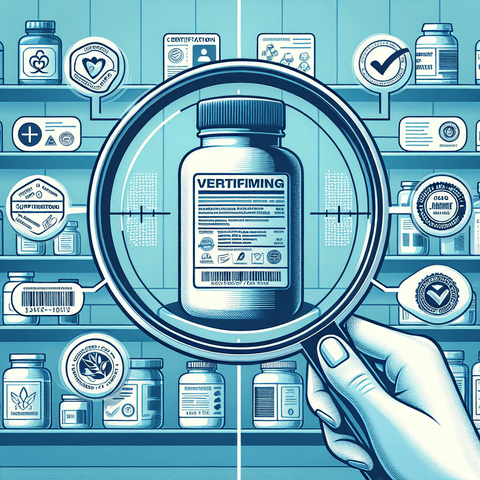
The global supplement market offers countless options for supporting nutritional health, but this popularity also attracts counterfeiters. Fake products can circulate through unauthorized online marketplaces, discount stores, and even legitimate-looking websites. Identifying counterfeit supplements is about more than just protecting your wallet; it's about protecting your health. This guide provides a practical, step-by-step framework for spotting fake supplements safely and confidently.
We will explore the most reliable checks, from scrutinizing packaging and labels to using digital verification tools. We'll also discuss the broader context of why counterfeit products exist and how you can build a safer purchasing strategy.
Why Authenticity Matters for Your Health
When you purchase a supplement from a reputable manufacturer, you rely on their quality control processes to ensure the product contains exactly what is listed on the label, in the stated amounts, and without harmful contaminants. Counterfeit supplements bypass these controls entirely.
Consuming a counterfeit product can expose you to several risks:
- Incorrect ingredients: A fake might use cheaper, ineffective, or potentially harmful substances in place of the active ingredient.
- Incorrect dosage: The amount of a key ingredient could be far too low to have any effect, or dangerously high, leading to unexpected side effects.
- Harmful contaminants: Unregulated manufacturing environments can introduce toxic metals, bacteria, or undisclosed pharmaceutical drugs.
Understanding these risks underscores why learning to identify counterfeit supplements is a fundamental part of responsible supplement use.
Practical Checks to Spot Fake Supplements
A careful inspection of the physical product can reveal telltale signs of counterfeiting. Use this checklist to examine every potential purchase before you open it.
1. Examine the Packaging and Label
Compare the packaging in your hand to official images from the brand's website or an authorized retailer. Look for discrepancies in:
- Typography and font, including misspellings or unusual letter spacing.
- Color consistency and the vibrancy of the print.
- Logo placement, size, and overall design.
- Overall layout, including the alignment of text and images.
Verify that the label includes the full ingredient list, the manufacturer's address, and clear contact information. Legitimate brands are transparent about their manufacturing and contact details.
2. Inspect Security Seals and Closure
Most legitimate supplements are sealed for your safety. A missing seal, a broken seal, or a seal that has been glued back on is a major red flag.
Pay attention to the seal's design. If the color, font, or pattern differs from what you see on an official image, treat it with suspicion.
3. Check Batch Numbers and Expiry Dates
Look for a production batch or lot number and an expiration date. These should be clearly printed and easy to read. A mismatch between batch codes and the printed date can indicate counterfeit activity.
If possible, contact the manufacturer to verify that the batch number is genuine. They may be able to confirm its production date and distribution channel.
4. Scan the QR Code
Many brands now use QR codes for authentication. Always scan the code using the brand's official app or through a link provided on their actual website. Be cautious of scanning with a generic third-party app that might redirect you to a convincing, but fake, website.
The resulting page should match the specific product you are holding, including its size, flavor, and batch number.
Recognizing the Red Flags of Counterfeit Products
Beyond the physical attributes of the product, the context of the purchase itself can be a warning sign.
- Prices that are significantly lower than the manufacturer's suggested retail price.
- Sellers with no verifiable contact details, an unknown physical address, or a recently created website.
- Packaging that is damaged, appears to be resealed, or has a worn appearance that doesn't align with a new product.
- A sudden influx of negative reviews mentioning a change in the product's appearance, taste, or effects, which could indicate a new batch of fakes in circulation.
Where to Verify Authenticity and What to Do Next
If you have doubts about a product, the best course of action is to verify it directly with the source. Contact the official manufacturer or an authorized retailer and provide them with the batch number, expiration date, and a photo of the product. They are best equipped to confirm its authenticity.
If you confirm that you have a counterfeit, stop using it immediately. Report the seller to the platform where you made the purchase and contact the brand to alert them. You can also report the incident to local regulatory authorities in your country.
Learning how to check supplement authenticity is an evolving skill, as counterfeiters become more sophisticated. By staying informed and methodical in your checks, you can significantly reduce your risk.
For more information on choosing high-quality products, explore our range of genuine and
Building a Safer Shopping Strategy
The most effective defense against counterfeit supplements is prevention. By adopting a proactive shopping strategy, you can minimize the chances of ever encountering a fake product.
- Always purchase supplements from the brand's official website or from well-established, authorized retailers. This is the single most important step you can take.
- Be wary of third-party marketplace listings, even if the seller has high ratings. Scammers can create convincing storefronts or hijack legitimate product pages.
- Examine the seller's return policy and customer service contact information. A lack of clear policies is a red flag.
- After making a purchase, record the batch number or take a photo of the packaging for your records.
- Finally, trust your instincts. If a deal or a seller feels off, it's usually better to err on the side of caution and shop elsewhere.
Common Questions About Supplement Authenticity
Navigating the issue of counterfeits raises several common questions. Here we address some of the most frequent concerns to help you shop with greater awareness.
How Do I Check Supplement Authenticity?
Check authenticity by combining multiple methods: inspecting the packaging, verifying the batch number, and using official QR code scanning. No single method is foolproof, so a combination of checks provides a much stronger level of protection.
What Are the Red Flags for Supplements?
Red flags include packaging that is flimsy or has poor print quality, a price that is dramatically lower than usual, a missing or broken seal, and sellers who are difficult to contact. The absence of a batch number or a mismatch between batch information and the expiration date are also strong warning signs.
Understanding these markers is your first line of defense. For more in-depth guidance on specific product categories, you can explore our resources on