Aliments pour renforcer le système immunitaire : 12 superaliments pour renforcer vos défenses


Cette page se concentre sur les aliments renforçant le système immunitaire et sur des méthodes pratiques pour les intégrer dans la cuisine quotidienne. Vous trouverez une sélection de douze aliments stimulant l’immunité ainsi que des idées pour les inclure dans des repas que vous appréciez réellement. Plutôt que de se concentrer sur des affirmations, l’accent est mis sur la planification, l’association et les stratégies de préparation qui facilitent vos routines culinaires. Utilisez ce guide pour ajouter variété, couleur et saveur à votre menu hebdomadaire. Comment utiliser les aliments qui renforcent l’immunité dans vos repas quotidiens : commencez par un cadre simple pour la semaine—attribuez un ou deux aliments immunitaires à chaque repas, puis faites une rotation selon ce que vous avez. Maintenez une liste de courses partagée, préparez en grande quantité, et stockez des ingrédients prêts à l’emploi pour un montage rapide. Nous vous montrerons comment équilibrer textures et saveurs, et comment adapter vos recettes afin de pouvoir mélanger et assortir sans tout recommencer à zéro à chaque fois. Des astuces faciles et savoureuses pour les incorporer : ajoutez de la saveur avec des herbes fraîches, du zeste d’agrumes et des mélanges d’épices ; mélangez-les dans des sauces, des céréales, des soupes, des smoothies et des bowls ; et créez des idées de collations qui s’accordent bien avec ces aliments. Développez quelques techniques de base—hachoir une seule fois, stocker intelligemment, et assembler rapidement—pour rendre l’inclusion quotidienne naturelle. La collection de douze éléments est une ressource pour stimuler votre curiosité et rendre vos repas plus vivants. Pour commencer, fixez un objectif simple, comme inclure au moins un aliment boostant l’immunité dans un repas par jour, et faites évoluer votre plan. Utilisez un simple suivi ou une liste de contrôle pour rester motivé sans pression. Adaptez cette approche à vos goûts, votre emploi du temps et votre garde-manger afin qu’elle devienne une habitude. Cette page est une invitation à explorer, expérimenter, et profiter du processus d’intégration des aliments renforçant le système immunitaire dans vos repas quotidiens.


How do I boost my immune system quickly? - Topvitamine
26 May 2026
How to Boost Your Immune System Quickly: Practical First StepsThere is no instant switch for immunity, but you can influence how quickly your body responds to challenges by focusing on a few key areas right away. Prioritizing quality sleep, consistent hydration, and gentle stress reduction can have a noticeable effect within days. Supporting your body with protein-rich meals, colorful produce, and healthy fats gives your immune cells the building blocks they need. When your routine is stretched thin, these daily habits become the fastest and most reliable way to begin strengthening your defenses.Evidence-Informed Supplements for Rapid Immune EnhancementTargeted supplements can fill specific gaps, especially when your diet is limited or your sun exposure is low. Vitamin C supports immune cell function and antioxidant defenses, vitamin D is essential for balanced immune responses, and zinc plays a central role in cell-mediated immunity. These are not quick fixes, but addressing a known or likely deficiency can help your system operate more efficiently over a period of days to weeks. Before adding any supplement, it is wise to consider your personal baseline and, when possible, review your status with a healthcare professional, particularly if you take medications or have ongoing health conditions.Building a Long-Term Immune Support StrategyWhile fast improvements are possible, lasting immune health comes from weaving simple, sustainable actions into your everyday life. Regular movement, time outdoors, healthy hygiene habits, and a nutrient-dense eating pattern build the foundation that supplements can then complement. Rather than relying on guesswork or a long list of products, focus on your biggest leverage points—such as fixing sleep, correcting nutrient gaps, and managing stress. This personalized approach helps you move from short-term support to a more resilient immune system over the long term.
What is a quick immune booster? - Topvitamine
28 January 2026
Booster l’immunité rapidement ne signifie pas déclencher une protection instantanée. L’immunité innée réagit en premier, tandis que la réponse adaptative demande davantage de temps. Une alimentation variée, un sommeil suffisant et la correction d’un éventuel manque en vitamine D, vitamine C ou zinc peuvent soutenir le fonctionnement normal du système immunitaire. Les compléments alimentaires ne remplacent ni les soins ni les conseils d’un professionnel de santé.
What foods are high in vitamin C? - Topvitamine
26 October 2025
Les aliments riches en vitamine C sont principalement les fruits et les légumes : poivron, goyave, kiwi, agrumes, fraises, brocoli et chou. Ce guide présente leurs teneurs indicatives, les rôles de la vitamine C, les méthodes de préparation qui la préservent et la différence entre alimentation et complément de vitamine C. Il répond aussi aux questions sur les antioxydants et les éventuels signes d’un apport insuffisant.
Which food is rich in vitamin C? - Topvitamine
23 October 2025
La vitamine C se trouve dans de nombreux fruits et légumes, notamment la goyave, le poivron, le kiwi, le brocoli, les fraises et les agrumes. Ce guide présente leurs teneurs approximatives, des conseils pour mieux les conserver et les cuisiner, ainsi que les différences entre alimentation et complément de vitamine C. Il répond aussi aux questions fréquentes sur les antioxydants et les boissons qui en contiennent.
Which foods contain vitamin C? - Topvitamine
14 October 2025
Les aliments riches en vitamine C ne se limitent pas aux oranges : poivrons, goyave, kiwi, fraises, brocoli et chou en apportent également. Ce guide présente des repères approximatifs par portion, des conseils pour préserver la vitamine C à la cuisson et l’intérêt d’associer certains aliments végétaux à une source de fer. Il explique aussi le rôle antioxydant de la vitamine C, les limites des classements d’antioxydants et les précautions concernant les suppléments.

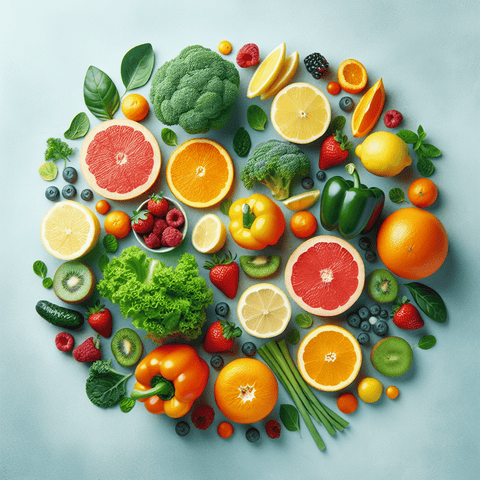
Eating well is one of the most reliable ways to support your body's everyday needs, and a focus on nutrient-rich ingredients is a big part of that. This guide introduces a collection of immune-boosting foods and explains their role in a balanced diet. Rather than promising unproven results, we focus on practical information and simple strategies to help you add more variety, color, and flavor to your meals. From understanding key nutrients to planning your weekly menu, this is your starting point for building a more resilient approach to wellness.

What Are Immune-Boosting Foods?

Immune-boosting foods are those that provide a high concentration of nutrients known to support the immune system. This includes vitamins like vitamin C and vitamin D, minerals such as zinc and selenium, and antioxidants from a variety of plant-based foods. The concept is not about a single ingredient but about a dietary pattern that consistently supplies these building blocks. The goal is to give your body what it needs to maintain its normal functions, which includes a healthy immune response.

Many of these foods are common and versatile. Citrus fruits, berries, leafy greens, nuts, seeds, and certain herbs and spices all have valuable nutrient profiles. Understanding these foods and their benefits is the first step toward making practical choices that align with your health goals. The rest of this guide will explore the major nutrient groups involved, how to choose these foods, and how to make them a regular part of your routine.

Key Nutrients to Look For

To understand what makes a food supportive, it helps to know which nutrients are most associated with immune health. A broad and varied diet is the best way to get these nutrients. Here are some of the most important ones to be aware of when planning your meals:

  • Vitamin C: A water-soluble vitamin found in many fruits and vegetables. It contributes to the normal function of the immune system.
  • Vitamin D: A fat-soluble vitamin that plays a role in immune function. Few foods contain it naturally, though fatty fish and fortified foods are sources.
  • Zinc: A mineral that is important for the normal function of immune cells. It is found in meat, shellfish, legumes, and seeds.
  • Antioxidants: Compounds like flavonoids and carotenoids that help protect cells from oxidative stress. These are abundant in colorful fruits and vegetables.
  • Selenium: A trace mineral that helps the body's antioxidant defense system. Brazil nuts, seafood, and organ meats are rich sources.

While supplements can help address deficiencies, whole foods are the preferred source for most people. They contain a complex mix of nutrients and fiber that work together to support overall health. For further reading on vitamins, you can explore our collection about Vitamin C for immune support.

The Role of Antioxidants in Immune Health

Antioxidants are not a single nutrient but a class of compounds that help protect the body's cells from damage caused by free radicals. Free radicals are unstable molecules that the body produces as a byproduct of normal processes and due to environmental exposures. Over time, an imbalance can contribute to cellular stress, which may affect overall health and resilience.

A diet rich in antioxidant-containing foods helps the body manage this balance. Colorful fruits like berries and citrus, vegetables like spinach and bell peppers, and other plant foods like green tea and dark chocolate are all good sources. Including a variety of these foods is a sensible strategy for supporting your body's natural defenses. For more on this topic, you might find our collection on antioxidants and their role in health helpful.

Practical Ways to Add These Foods to Your Meals

Incorporating more immune-boosting foods into your diet doesn't need to be a complicated process. The best approach is to build a simple, repeatable system that makes healthy eating easier. Here are some practical strategies to get you started:

  • Plan Your Weekly Menu: Assign one or two immune-boosting foods to each meal. This creates a simple framework that ensures variety without overwhelming you.
  • Use a Shared Shopping List: Keep a running list of your go-to immune-boosting foods. This makes grocery shopping faster and more consistent.
  • Bulk Prep Key Ingredients: Wash, chop, and portion out fruits and vegetables at the start of the week. Store them in clear containers for quick access.
  • Build Flavor in Layers: Use fresh herbs, citrus zest, and spice blends to make healthy meals more appealing and satisfying.
  • Get Creative with Recipes: Fold ingredients into sauces, grains, soups, smoothies, and bowls. This allows you to mix and match without starting from scratch every time.

The goal is to make daily inclusion feel natural. By preparing more meals at home and using these techniques, you can easily create healthier habits. For additional guidance on building a balanced diet, you can browse our superfoods guide for more ideas.

Signs of a Weakened Immune System

Many people wonder about the health of their immune system. While getting sick occasionally is normal, certain signs may indicate that your defenses are not as strong as they could be. Frequent infections, slow-wound healing, and persistent fatigue are often cited as potential indicators of a compromised immune system. However, it's essential to understand that these can also be symptoms of other health conditions.

If you're concerned about your immune health, it's always a good idea to consult with a healthcare professional. They can provide a proper diagnosis and offer guidance based on your individual situation. On this page, our focus is on how a nutrient-rich diet can help support your body's normal functions, not on diagnosing or treating illness.

Supplements and Immune Support: A Word of Caution

While a balanced diet should be your first line of defense, supplements can play a role for some individuals. They are most useful when a deficiency has been identified or when dietary intake is inadequate. For example, vitamin D is difficult to get from food alone, so a supplement might be beneficial, especially during months with less sunlight.

It's crucial to approach supplements with caution. They are not a magic bullet and are not intended to prevent, treat, or cure diseases. Taking high doses of vitamins and minerals is generally not recommended and can sometimes have negative effects. Always speak to a doctor or a registered dietitian before starting a new supplement regimen, especially if you have underlying health conditions or are taking other medications. You can find general information on mineral supplements in our mineral supplements guide.