7 avantages surprenants du système immunitaire pour améliorer votre santé dès aujourd'hui


Déverrouillez 7 avantages surprenants pour votre système immunitaire que vous pouvez profiter aujourd'hui en adoptant des conseils pratiques, des habitudes simples et des actions rapides pour renforcer vos défenses et votre bien-être. Cette page se concentre sur des choix quotidiens qui soutiennent la résilience de votre corps et votre sensation de vitalité. Vous ne trouverez pas ici de prescriptions médicales — juste des idées accessibles que vous pouvez commencer dès maintenant pour influencer votre ressenti du matin au soir. Continuez à lire pour découvrir des étapes concrètes qui s'alignent avec l'idée d'avantages pour le système immunitaire dans un sens large et quotidien. Un pilier est le rythme : visez un horaire de sommeil et de réveil cohérent et une courte routine de détente. Accompagnez cela de quelques moments de respiration calme ou d'une pause de pleine conscience rapide pendant la journée. Établissez une habitude simple de vérifier votre bien-être avec un verre d’eau après votre réveil et adoptez une petite série de mouvements — même une promenade de 10 minutes compte. Ces petits changements peuvent contribuer aux bénéfices pour le système immunitaire et à un sentiment stable de bien-être. Un autre pilier concerne l’environnement et la connexion : passez du temps à l’extérieur, à la lumière naturelle lorsque c’est possible, et entretenez de petites relations positives avec les autres. Des routines simples comme une vérification régulière de l’hygiène des mains et le maintien d’un espace ordonné et confortable peuvent créer un rythme quotidien fiable. Ensemble, ces actions peuvent soutenir les bénéfices pour le système immunitaire et l’humeur, aidant la vie quotidienne à se sentir plus stable. Pour commencer dès aujourd’hui, choisissez trois micro-habitudes que vous pouvez mettre en place maintenant, fixez un court rappel, et suivez quelques petites réussites. Par exemple, cibler une heure de coucher, un exercice de respiration bref, et un moment de sortie en plein air. En intégrant ces actions rapides dans votre journée, vous pouvez débloquer et expérimenter sept bénéfices pour le système immunitaire au fil du temps tout en soutenant votre bien-être général.


Where is the most vitamin C found? - Topvitamine
14 December 2025
Les meilleures sources naturelles de vitamine C ne sont pas uniquement les oranges : les poivrons, le kiwi, la goyave, les fraises, le brocoli et certains fruits comme l’acérola en apportent également beaucoup. Cet article compare les aliments riches en vitamine C, explique l’effet de la cuisson, répond aux questions sur les antioxydants et présente les critères à considérer avant de choisir un complément.
What organ does vitamin C affect? - Topvitamine
31 October 2025
La vitamine C n’affecte pas un seul organe : elle est absorbée dans l’intestin grêle puis transportée par le sang vers de nombreux tissus. Elle contribue notamment au fonctionnement normal du système immunitaire, à la formation du collagène et à la protection des cellules contre le stress oxydatif. Découvrez ses principaux rôles, ses sources alimentaires, les compléments et les précautions à connaître.
Is it good to take a probiotic daily? - Topvitamine
14 October 2025
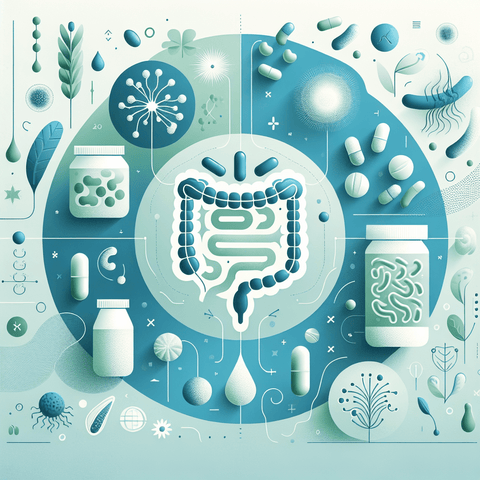
Prendre un probiotique tous les jours est généralement bien toléré chez l’adulte en bonne santé, mais ce n’est pas nécessaire pour tout le monde et les effets dépendent de la souche, de la dose et de l’objectif. Ce guide explique le soutien digestif possible, les critères de choix, les aliments fermentés, les effets secondaires et les situations où un avis médical est préférable.

When we talk about immune system benefits, we are referring to the positive outcomes of supporting your body’s natural defense network. This complex system works constantly to identify and respond to potential challenges, and its effectiveness is influenced by many everyday factors, including your sleep, stress levels, nutrition, and physical activity. This page explores the broad topic of immune health, offering a map of the key areas that contribute to your body's resilience and a sense of overall well-being. Here, you will find a high-level overview designed to help you understand the main pillars of immune support and guide you to more specific resources.

What Does a Healthy Immune System Mean?

The immune system is not a single organ but a network of cells, tissues, and proteins that work in concert to defend the body against harmful invaders like viruses, bacteria, and other pathogens. A well-functioning, or 'strong,' immune system is often described as one that can effectively recognize and respond to these threats while also maintaining tolerance to the body's own healthy cells. Rather than viewing it as a switch that can be turned on, it is more accurate to think of immunity as a state of balance, influenced by a variety of interconnected lifestyle and environmental factors.

The benefits of having a well-supported immune system are felt in everyday life. While it doesn't guarantee you will never get sick, it means your body is better equipped to handle daily challenges and recover more efficiently. This translates to feeling more energetic, resilient, and better able to maintain your normal routine. Supporting your immune system is a proactive approach to wellness, focusing on building a foundation of health through consistent, positive habits.

Key Pillars of Everyday Immune Support

There are several fundamental lifestyle areas that play a significant role in how well your immune system functions. These are the broad building blocks that form the basis of a resilient body. Focusing on these areas is a practical, effective way to support your health from day to day.

The Role of Nutrition & Essential Nutrients

What you eat provides the raw materials your immune system needs to build and maintain its defenses. A varied diet rich in colorful fruits, vegetables, lean proteins, and healthy fats ensures you receive a broad range of micronutrients. Certain vitamins and minerals are particularly noted for their role in supporting immune function, such as Vitamin C, found in citrus fruits and peppers; Vitamin D, which you can get from sunlight and fortified foods; and Zinc, present in nuts, seeds, and legumes.

While a balanced diet is the ideal foundation, nutritional gaps can occur. In such cases, some people explore high-quality supplements to help fill those gaps. For instance, you can explore specific information on Vitamin C, immunity, and antioxidant benefits or get a comprehensive overview with a guide to multivitamins, their ingredients, and usage. Remember, supplements are meant to complement a healthy diet, not replace it.

Sleep, Stress, and Physical Activity

Beyond nutrition, your daily habits have a profound impact on your immune system. Quality sleep is a time of active repair and regulation for the body, making consistent, restful sleep a cornerstone of immune health. Similarly, chronic stress can take a toll on your body's ability to maintain balance, so finding ways to manage stress is crucial. This might involve simple practices like deep breathing, taking a short walk, or engaging in a hobby you enjoy.

Regular, moderate physical activity is another important pillar. Exercise promotes healthy circulation, which allows immune cells to move through the body efficiently. This doesn't mean intense workouts; a daily 20-30 minute walk, cycling, or yoga session can be highly beneficial. The goal is consistent movement that you enjoy and can sustain.

Everyday Habits: Hydration, Hygiene, and Environment

Simple, practical habits also contribute to a well-supported immune system. Staying adequately hydrated helps all your body's systems function properly. Good hygiene practices, such as regular handwashing, are your first line of defense in preventing the spread of pathogens. Your environment also plays a role; spending time outdoors in natural light and maintaining a clean, comfortable living space can positively impact your mood and overall sense of well-being, which in turn supports your immune health.

Recognizing the Signs of a Well-Supported vs. Compromised System

It can be helpful to understand what a robust immune response looks like compared to one that may need more support. While these signs are general and not a medical diagnosis, they can offer insight into your own body.

A well-supported immune system is often associated with a consistent level of energy, the ability to recover quickly from minor daily stresses, and a general sense of vitality. On the other hand, a weaker immune system might be indicated by frequent or slow-healing illnesses, persistent fatigue, or high stress levels. If you have concerns about your immune health, it is always best to consult with a healthcare professional.

Getting Started: Simple Micro-Habits to Support Your Immune System

The idea of overhauling your lifestyle can be daunting. Instead, the most effective approach is to focus on small, manageable micro-habits. Start by choosing a few simple actions you can easily integrate into your daily routine. Consistency is far more important than intensity.

Here are a few practical examples to get you started:

  • Aim for a consistent sleep-wake schedule, even on weekends.
  • Start your day with a glass of water to rehydrate after sleep.
  • Take a short 10-15 minute walk outdoors during the day.
  • Incorporate a brief mindfulness or deep-breathing exercise into your afternoon break.
  • Choose one extra serving of vegetables or fruit to add to a meal.

By focusing on these small, positive actions, you can begin to build a stronger foundation for your health. Over time, these habits can contribute to the overall benefits of a well-supported immune system, helping you feel more grounded, energetic, and resilient in your daily life.