
Le flechage des étiquettes peut apparaître partout—sur la boîte élégante d’un produit ou sur un petit autocollant à l’arrière. Il se réfère à des affirmations qui exagèrent les performances, déforment la nature des matériaux ou utilisent une terminologie trompeuse pour faire passer un achat pour mieux qu’il ne l’est. Lorsque vous rencontrez une telle tromperie sur l’étiquette, vous risquez d’obtenir un produit qui ne répond pas à vos attentes, une politique de retour difficile à comprendre ou tout simplement de perdre du temps. Cette page vous aide à repérer rapidement et avec confiance ces astuces, afin de distinguer les fonctionnalités solides des éléments superficiels et d’acheter en toute clarté. Les acheteurs avisés apprennent à lire au-delà de l’étiquette principale. Faites attention aux termes génériques comme « haut de gamme » ou « écologique » sans détails précis, et méfiez-vous des affirmations qui s’appuient sur des adjectifs isolés plutôt que sur des données vérifiables. Vérifiez les logos officiels et confirmez leur authenticité sur le site de l’émetteur. Si une étiquette indique des certifications, comparez-les avec le certificateur pour confirmer leur validité et leur portée. Examinez les petits caractères pour repérer des chiffres, tels que les codes modèle, la puissance ou les dimensions, et assurez-vous qu’ils correspondent à ce qui est annoncé. Faites attention à la typographie bâclée, aux marges mal alignées ou à l’emballage incohérent — ces éléments peuvent signaler une étiquette précipitée ou malhonnête. Pour vous protéger, vérifiez les listes sur plusieurs sources plutôt que de faire confiance à la première impression. Comparez les détails de la fiche produit avec ce qui est indiqué sur l’étiquette, et repérez toute inconsistance au niveau des matériaux, des fonctionnalités ou des spécifications. Recherchez des avis indépendants et des expériences d’utilisateurs pour avoir une vision plus complète. Utilisez les codes-barres ou numéros de série pour vérifier l’authenticité sur le site du fabricant, et consultez les pages de politique du détaillant pour comprendre les retours et garanties. Si quelque chose vous semble étrange, n’hésitez pas à demander une vérification ou à choisir une autre option. Cliquez pour devenir un acheteur plus intelligent et plus sûr, et prenez le contrôle de vos achats. En restant vigilant face aux tromperies sur l’étiquette et en effectuant ces vérifications rapides, vous prendrez des décisions plus éclairées, exigerez des étiquetages plus clairs et bénéficierez d’une expérience d’achat plus fluide dans toutes les catégories de produits.
Élément trompeur : comment repérer les fausses étiquettes et se protéger
Label deception is a widespread issue that can affect any purchase, from food and beverages to supplements, cosmetics, and electronics. It involves practices that make a product seem more effective, higher quality, or more ethical than it truly is. This can range from ambiguous marketing terms to outright false claims. This guide serves as a comprehensive hub to help you understand the different dimensions of label deception, why it matters, and how to protect yourself as a consumer.
What Is Label Deception?
At its core, label deception is a mismatch between what a label implies and what the product actually delivers. It can be the result of intentional fraud, but it is more often a byproduct of aggressive marketing strategies that use carefully chosen words and design elements to create a false impression. Understanding the common categories of deceptive labeling is key to spotting it.
You can encounter label deception in several forms:
- Vague or unsubstantiated claims: Terms like “premium,” “eco-friendly,” or “high-performance” without any specifics or certification.
- Health halos: Using buzzwords like “natural,” “clean,” or “pure” on products that may contain artificial ingredients or high levels of sugar or salt.
- Ingredient manipulation: Listing a small amount of a beneficial ingredient prominently, while hiding less desirable ones further down the list.
- Misleading visuals: Using images of premium ingredients or luxurious settings that do not reflect the actual product inside the package.
- Misleading serving sizes: Presenting nutritional information in a way that makes sugar or calorie counts seem lower than they are if a typical consumer eats more than the stated serving.
The Legal Landscape and Your Consumer Rights
Mislabeling is not just a consumer annoyance; in many cases, it is illegal. Laws in many countries, including the U.S. and those in the EU, prohibit false or misleading statements on product labels. This includes lying about a food’s nutritional content, its ingredients, or its origin. For example, a label that falsely claims a product is “low fat” when it is not is considered a violation of food-labeling regulations.
The legal consequences can be significant, encompassing fines and regulatory action against the company. Furthermore, depending on the jurisdiction and the nature of the deception, you may have the right to take civil action. The option to sue for mislabeled food or other products typically exists if you can demonstrate that you suffered a financial loss or another harm as a direct result of the deceptive labeling. This principle of consumer protection is designed to hold manufacturers accountable for the claims they make.
A Practical Guide to Verifying Product Claims
Becoming a more critical shopper is the most effective defense against label deception. The goal is not to become cynical, but to be observant and verify claims before making a purchase. This involves developing a few simple habits that can be applied to almost any product category.
Key Checks for Spotting Misleading Labels
Here are some practical ways to look beyond the marketing and assess a product’s true quality:
- Check for specific data over adjectives: Look for numbers, model codes, dimensions (in electronics), or exact quantities instead of relying on single descriptive words. For example, a “high strength” vitamin D label should state the exact IU (International Units) of vitamin D3, not just a vague claim.
- Verify certifications with the issuer: If you see a certification logo (e.g., organic, non-GMO, eco-certified), go to the official website of the certifying body and search for the product or brand to ensure the certification is genuine and currently valid.
- Read the full ingredient list and nutrition panel: Look beyond the front of the package. Pay attention to the order of ingredients (which are listed by weight) and the serving size. Be wary of products that use multiple forms of sweeteners to hide the total sugar content.
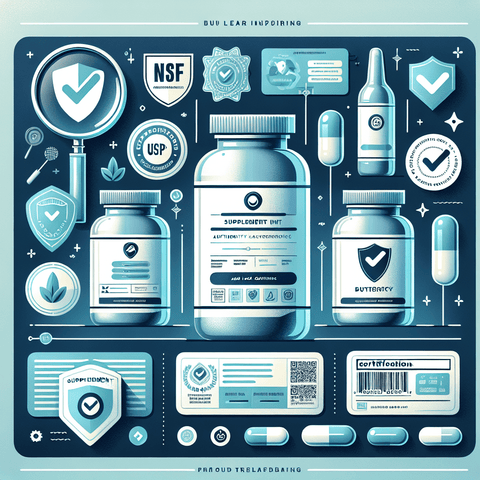
- Look for quality control signs: In the supplement industry, look for products that have been tested by third-party organizations like NSF International, ConsumerLab.com, or USP. These certifications indicate that the product has been independently verified for quality and purity.
- Search for independent reviews: Don't rely solely on the product page. Search for user reviews, watch video reviews, and look for discussions on independent forums to get a well-rounded perspective on the actual product experience.
- Compare the label to the retailer’s website: Check for discrepancies between the packaging and the online listing. Mismatches in materials, features, or specifications are a red flag.
- Examine packaging quality: Sloppiness matters. Notice if the typography is inconsistent, the margins are misaligned, or the colors seem faded. These can be minor signs of a rushed or lower-quality operation.
Label Deception and Dietary Supplements
While label deception is prevalent in food and consumer goods, it is a particularly critical issue in the dietary supplement industry, where efficacy and purity are harder for a consumer to verify. The U.S. Food and Drug Administration (FDA) regulates supplement labeling, but under different rules than those for conventional drugs. This means it is the responsibility of the manufacturer to ensure their label claims are accurate and that their product is safe. Given this, a lot of responsibility falls on the consumer to be vigilant.
When evaluating a supplement, the same principles of label verification apply with even more importance. This is especially true for specific nutrients. For instance, if you are looking for a magnesium supplement, you would want more than a label that says “Magnesium.” A transparent company will ideally list the specific form (e.g., magnesium citrate, glycinate), the dosage (e.g., 200 mg per serving), and often the source. This level of detail is a good sign of transparency. For more information on specific ingredients and what to look for, you can explore our guides on natural supplements or our detailed multivitamins guide.
Putting It All Together for Smarter Shopping
While the landscape of label deception can seem complex, your best defense is an informed and curious mindset. By understanding the common marketing tactics, being aware of your legal rights, and adopting a systematic approach to verification, you can significantly reduce your risk of being misled. It's also important to remember that if something seems off—whether it's a wildly good price, an unverifiable claim, or a vague description—it's perfectly reasonable to hesitate where you buy. Choosing to buy from retailers who provide extensive, transparent product information can be a safer bet.
For those looking to dive deeper into specific areas, our mineral supplements guide offers a deep dive into mineral quality, a common area for confusing label claims. By staying informed and checking the details, you can navigate the market with confidence, demand better clarity from manufacturers, and make purchases that truly align with your needs and values.