
{ "label transparency supplements": "transparence de l’étiquetage des compléments alimentaires" }
Compléments de transparence des étiquettes : voyez chaque ingrédient avant d'acheter
27 August 2025
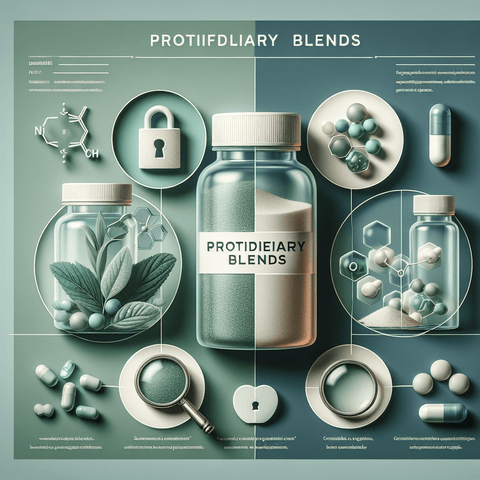
Un mélange propriétaire regroupe plusieurs ingrédients sous une quantité totale, sans toujours indiquer la dose exacte de chacun. Cette présentation n’est pas automatiquement dangereuse, mais elle limite l’évaluation de l’efficacité, des interactions et de la sécurité. Découvrez comment lire l’étiquette, repérer les signaux d’alerte des compléments alimentaires et choisir une formule plus transparente, notamment si vous prenez un traitement ou envisagez des doses élevées.
{"content":"
Les compléments alimentaires à étiquetage transparent sont des produits qui indiquent chaque ingrédient et sa quantité exacte sur l'étiquette, ce qui vous permet de voir précisément ce que vous achetez avant l'achat. Cet article explique ce que signifie un étiquetage entièrement transparent, pourquoi cela compte pour la sécurité et des choix éclairés, comment lire un tableau de composition nutritionnelle étape par étape, et comment comparer les produits sur le dosage, les formes d'ingrédients et les tests réalisés par des tiers. Comme la qualité des compléments alimentaires varie considérablement d'une marque à l'autre, comprendre les étiquettes est l'une des compétences les plus utiles pour toute personne qui consomme des vitamines, des minéraux ou d'autres produits nutritionnels.
\n\n
Que sont les compléments alimentaires à étiquetage transparent ? Comprendre les étiquettes entièrement transparentes
\n\n
Compléments à étiquetage transparent : ce que signifie réellement la « transparence totale »
\n
Les compléments alimentaires à étiquetage transparent indiquent chaque ingrédient de la formule ainsi que la quantité exacte de chacun. Rien n'est dissimulé derrière des regroupements vagues, et les quantités de tous les composés actifs sont précisées en milligrammes, microgrammes ou unités internationales selon le cas. Dans un produit entièrement transparent, vous pouvez vérifier non seulement ce qui est inclus, mais aussi la quantité de chaque ingrédient par portion.
\n
La transparence totale tend également à s'étendre au-delà des principes actifs. Les marques transparentes expliquent généralement la fonction des « autres ingrédients » tels que les gélules, les agents d'écoulement ou les arômes, et communiquent souvent des informations sur l'origine des ingrédients et sur la façon dont le produit fini est testé. Le principe fondamental est simple : rien dans le flacon ne doit être un mystère pour la personne qui le consomme.
\n\n
Mélanges propriétaires et formules entièrement divulguées : la différence essentielle
\n
Un mélange propriétaire est un groupe d'ingrédients listés sous un seul nom, avec uniquement le poids total du mélange divulgué. Par exemple, une étiquette peut indiquer « Mélange énergie – 1 200 mg » suivi d'une liste de dix ingrédients sans quantités individuelles. Cela signifie que vous ne pouvez pas savoir si une dose bien étudiée de l'un de ces ingrédients est incluse, ou si elle n'est présente qu'à l'état de traces.
\n
Les formules entièrement divulguées listent chaque ingrédient avec sa propre quantité. Cela vous permet de comparer la dose aux plages utilisées dans la recherche publiée, de vérifier les chevauchements avec d'autres produits que vous prenez et d'identifier les allergènes ou additifs potentiels. La différence pratique est significative : avec une étiquette transparente, vous pouvez prendre une décision fondée sur des preuves ; avec un mélange propriétaire, vous devez largement faire confiance au marketing du fabricant.
\n\n
Termes courants sur les étiquettes : principes actifs, autres ingrédients, portion et valeur quotidienne
\n
Comprendre quelques termes standard facilite grandement l'interprétation des étiquettes :
\n
- Principes actifs : les nutriments ou composés destinés à avoir un effet physiologique, listés avec leurs quantités par portion.
- Autres ingrédients : substances non actives telles que les matériaux de gélule (gélatine ou cellulose), les charges, les agents d'écoulement, les édulcorants, les colorants ou les conservateurs.
- Portion : la quantité que le fabricant recommande de prendre en une fois, qui peut être une gélule ou plusieurs. Toutes les quantités indiquées se réfèrent à cette portion, et non au flacon entier.
- Pourcentage de la valeur quotidienne (%VQ) : la part qu'apporte une portion aux apports journaliers recommandés sur la base de valeurs de référence. Un %VQ de 100 % signifie qu'une portion fournit l'apport de référence complet pour un adulte moyen.
\n
Notez qu'un produit fournissant 5 000 % de la valeur quotidienne n'est pas « meilleur » qu'un produit en fournissant 100 % ; il contient simplement beaucoup plus que l'apport de référence, ce qui peut être approprié ou non.Pourquoi la transparence des ingrédients compte pour votre santé\n\nCharges cachées, additifs et ingrédients sous-dosés : ce que les étiquettes vagues peuvent dissimuler\nLorsque les quantités individuelles ne sont pas divulguées, plusieurs problèmes peuvent se cacher derrière l'étiquette. Le plus courant est le sous-dosage, parfois appelé « poussière de fée », où un ingrédient populaire est ajouté en quantité symbolique uniquement pour pouvoir figurer sur le devant de l'emballage. Les doses étayées par la recherche de nombreux extraits végétaux et acides aminés sont considérablement plus élevées que les pincées que contiennent certains mélanges.
\n
Un étiquetage vague peut également dissimuler de grandes quantités de charges, de sucres ajoutés, de colorants artificiels ou d'allergènes. Les personnes sensibles à certains excipients, ou celles qui évitent des additifs spécifiques pour des raisons alimentaires ou religieuses, ne peuvent pas faire de choix sûrs si l'étiquette n'indique pas clairement ce qui se trouve à l'intérieur.
\n\n
Comment un étiquetage transparent favorise des choix de compléments plus sûrs et mieux informés
\n
Les étiquettes transparentes vous permettent de vérifier trois éléments essentiels : si la dose se situe dans une plage raisonnable et informée par les preuves, si le produit chevauche d'autres compléments que vous prenez, et s'il contient quelque chose que vous devez éviter. Cela compte particulièrement pour les vitamines liposolubles telles que la vitamine D et la vitamine A, où un apport excessif sur la durée peut s'accumuler, et pour les minéraux pour lesquels des limites supérieures d'apport existent.
\n
La transparence favorise aussi la responsabilité. Les marques qui publient leurs formules complètes et leurs informations de tests sont plus faciles à évaluer objectivement, et plus faciles à tenir responsables de leurs allégations, que les marques qui s'appuient uniquement sur le marketing en façade.
\n\n
La demande croissante des consommateurs pour des produits à étiquette propre et entièrement divulgués
\n
La sensibilisation des consommateurs à la qualité des compléments alimentaires a considérablement augmenté ces dernières années, en partie sous l'impulsion de publications de tests indépendants en laboratoire qui ont constaté que certains produits contenaient moins (ou plus) d'un ingrédient que ce que l'étiquette indiquait. En réponse, de nombreux fabricants ont évolué vers des pratiques d'étiquetage propre : listes d'ingrédients plus courtes, excipients reconnaissables, divulgation complète des doses et certificats d'analyse publiés. Cette évolution reflète une tendance plus large dans l'industrie alimentaire et des compléments vers une qualité vérifiable plutôt que simplement affirmée.
\n\n
Signaux d'alerte sur une étiquette de complément : les signes qu'un produit n'est peut-être pas entièrement transparent
\n\n
« Mélange propriétaire » et termes comme « matrice » sans quantités
\n
Des mots comme « mélange », « matrice », « complexe » ou « formule » suivis d'un poids total et d'une liste d'ingrédients sans quantités individuelles sont le signe le plus clair qu'un produit n'est pas entièrement divulgué. Bien que les mélanges propriétaires ne soient pas intrinsèquement dangereux, ils vous empêchent de vérifier les doses, ce qui constitue une limitation importante lorsqu'il s'agit d'évaluer si un produit peut plausiblement offrir les bénéfices suggérés par son marketing.
\n\n
Descriptions d'ingrédients vagues et informations de dosage manquantes
\n
Soyez prudent avec les étiquettes qui décrivent les ingrédients uniquement par des noms marketing sans nomenclature chimique ou botanique standard, ou qui indiquent des quantités en « unités propriétaires » non définies. Traitez également avec scepticisme les produits qui promettent des résultats spectaculaires tout en listant des micro-doses d'ingrédients clés, ou qui utilisent des expressions comme « extrait concentré » sans préciser le ratio d'extraction ou la standardisation.
\n\n
Allégations invérifiables, coordonnées du fabricant absentes et informations de tests manquantes
\n
Un produit digne de confiance devrait identifier le fabricant ou le distributeur avec de vraies coordonnées, indiquer clairement ce que le complément fait et ne fait pas, et idéalement fournir des preuves de contrôle qualité. Si une étiquette ou un site web n'offre aucune information sur les tests par des tiers, les normes de fabrication ou où poser des questions, cette absence est en elle-même informative. De même, les allégations qui sonnent trop dramatiques — guérir des maladies, garantir des résultats ou remplacer des médicaments — sont incompatibles avec la façon dont les compléments sont positionnés légalement et scientifiquement.
\n\n
Pourquoi les ingrédients et les dosages varient autant d'un produit à l'autre
\n\n
Différences de formes : citrate vs oxyde, vitamines B méthylées vs standard, et pourquoi cela compte
\n
Un même nutriment peut exister sous plusieurs formes chimiques aux propriétés différentes. L'oxyde de magnésium, par exemple, contient un pourcentage élevé de magnésium élémentaire mais est relativement mal absorbé et plus susceptible de causer un relâchement intestinal, alors que les formes citrate ou glycinate de magnésium sont généralement mieux tolérées et absorbées. Parmi les vitamines B, certains produits utilisent des formes méthylées telles que le méthylfolate et la méthylcobalamine, qui contournent certaines étapes de conversion dans l'organisme ; cela peut être pertinent pour les personnes présentant des variations génétiques affectant le métabolisme des folates, bien que pour la plupart des gens les formes standard soient également efficacement utilisées.
\n
Les preuves scientifiques comparant les formes ne sont pas également solides pour chaque nutriment, et aucune forme unique n'est universellement meilleure. Ce qui compte, c'est que l'étiquette indique quelle forme est utilisée, afin que le choix puisse être fait délibérément plutôt que par hasard.
\n\n
Pratiques de dosage : doses efficaces vs « poussière de fée » d'ingrédients populaires
\n
Les doses figurant sur les étiquettes de compléments vont de quantités physiologiquement significatives à des quantités symboliques. Pour les nutriments ayant des apports de référence établis, comparer la quantité indiquée à l'apport journalier recommandé et à la limite supérieure de sécurité fournit un contexte utile. Pour les extraits végétaux et autres composés étudiés à des doses spécifiques, la quantité indiquée peut être comparée aux doses utilisées dans la recherche. Un produit contenant 50 mg d'un ingrédient étudié à 1 000 mg peut techniquement contenir l'ingrédient tout en étant peu susceptible de reproduire les effets étudiés.
\n\n
Comment la qualité de fabrication, l'approvisionnement et les tests influent sur ce qui se retrouve dans le flacon
\n
Ce qu'une étiquette indique et ce qu'un flacon contient devraient être la même chose, mais cela dépend de la qualité de fabrication. Les bonnes pratiques de fabrication (BPF), les tests d'identité des ingrédients et la vérification du produit fini aident à garantir que les quantités déclarées sont exactes et que les produits sont exempts de contamination significative par des métaux lourds, des microbes ou des substances non déclarées. Les fabricants qui publient des certificats d'analyse ou utilisent une certification tierce reconnue rendent cette vérification indépendante plutôt qu'auto-déclarée.
\n\n
Comment lire une étiquette de complément étape par étape
\n\n
Le tableau de composition nutritionnelle : portion, quantités et pourcentage de la valeur quotidienne
\n
Commencez par la portion, car tous les autres chiffres du tableau s'y réfèrent. Un produit nécessitant quatre gélules par portion peut apporter des totaux très différents d'un produit à une gélule à première vue. Ensuite, vérifiez la quantité et le %VQ de chaque principe actif. Les quantités bien supérieures à 100 % de la valeur quotidienne méritent un examen attentif, en particulier pour les vitamines liposolubles et les minéraux ayant des limites supérieures établies. Enfin, notez la forme de chaque nutriment (par exemple, citrate de magnésium versus oxyde de magnésium) car cela affecte l'absorption et la tolérance.
\n\n
La liste des « autres ingrédients » : excipients, charges, agents d'écoulement et allergènes
\n
La section « autres ingrédients » révèle tout ce qui est non actif dans le produit. Les entrées courantes incluent la cellulose (une gélule ou un liant à base de fibres végétales), la farine de riz ou les stéarates (charges et agents d'écoulement), le dioxyde de silicium (un anti-agglomérant), et les arômes ou édulcorants dans les produits à croquer et en poudre. Si vous avez des allergies ou des intolérances, examinez attentivement cette liste pour le blé, le soja, les produits laitiers, l'œuf, le poisson, les crustacés, les fruits à coque ou le sésame, qui doivent être déclarés lorsqu'ils sont présents. Les personnes suivant un régime végétalien devraient vérifier si les gélules sont à base de gélatine ou d'origine végétale.
\n\n
Certifications et labels : tests par des tiers, NSF, USP, BPF, et ce qu'ils vérifient
\n
Les labels de tiers indiquent qu'une organisation indépendante a évalué un aspect du produit :
\n
- USP Verified : confirme que le produit contient les ingrédients et les quantités déclarés, et respecte les limites de contaminants.
- NSF Certified / NSF Certified for Sport : vérifie le contenu et les tests de contaminants ; la désignation Sport effectue en plus un dépistage des substances interdites pertinentes pour les athlètes testés.
- Informed Choice / Informed Sport : tests indépendants par lot pour les substances interdites dans les produits sportifs.
- Conformité BPF : indique que le produit a été fabriqué selon les bonnes pratiques de fabrication ; notez que les BPF décrivent le processus de production plutôt que de vérifier directement le contenu du produit fini.
\n
Aucun label ne garantit qu'un produit vous convient sur le plan nutritionnel, mais la vérification par un tiers réduit significativement le risque de produits mal étiquetés ou contaminés.
\n\n
Comment comparer les produits transparents avant d'acheter
\n\n
Vérifier les formes et la biodisponibilité des vitamines et minéraux clés
\n
Une fois les quantités divulguées, comparez les formes chimiques. Pour les minéraux, les formes chélatées et les sels organiques (citrate, glycinate, bisglycinate) sont souvent mieux absorbés que les oxydes ou les carbonates, bien que les différences varient selon le minéral et la personne. Pour les vitamines liposolubles telles que la vitamine D, prendre le produit avec un repas contenant des matières grasses améliore l'absorption quelle que soit la forme. Pour la vitamine C, les formes naturelles et synthétiques sont chimiquement identiques et absorbées de la même façon, ce qui illustre pourquoi la mention « naturelle » sur une étiquette n'est pas toujours nutritionnellement significative.
\n\n
Évaluer le dosage par rapport aux plages fondées sur les preuves
\n
Comparez chaque dose indiquée avec deux points de référence : l'apport journalier recommandé et la limite supérieure de sécurité lorsqu'elle existe. Pour les produits ciblant des résultats spécifiques, demandez-vous si la dose se rapproche des quantités utilisées dans la recherche publiée. Évitez de supposer que plus élevé signifie toujours meilleur ; pour de nombreux nutriments, les bénéfices plafonnent et les risques augmentent au-delà de certains apports. Si vous n'êtes pas sûr qu'une dose soit appropriée à votre situation, un professionnel de santé ou un diététicien-nutritionniste peut vous aider à l'interpréter en fonction de votre alimentation et de votre état de santé.
\n\n
Compléments à ingrédient unique vs formules combinées : lequel convient à vos besoins
\n
Les produits à ingrédient unique permettent de contrôler exactement ce que vous prenez et en quelle quantité, ce qui est utile lorsqu'il s'agit de combler une lacune spécifique identifiée par une évaluation alimentaire ou des analyses. Les produits combinés, y compris un multivitaminé bien formulé, offrent commodité et couverture large mais nécessitent de vérifier les chevauchements avec tout autre complément que vous prenez. Les étiquettes transparentes rendent les deux approches praticables ; les étiquettes opaques rendent l'une comme l'autre risquée.
\n\n
Qui bénéficie le plus du choix de compléments à étiquetage transparent
\n\n
Personnes allergiques, avec restrictions alimentaires ou sensibilités aux additifs
\n
Toute personne gérant des allergies alimentaires, la maladie cœliaque ou des sensibilités aux additifs dépend d'un étiquetage précis et complet. La divulgation complète des ingrédients actifs et inactifs permet à ces personnes d'éviter les allergènes, les préoccupations de contact croisé avec le gluten et des excipients spécifiques. Ceux qui suivent des régimes végétaliens, végétariens, casher ou halal bénéficient également d'informations claires sur les matériaux des gélules et l'origine des ingrédients.
\n\n
Ceux qui prennent des médicaments ou gèrent des problèmes de santé et doivent vérifier les ingrédients
\n
Certains nutriments et extraits végétaux peuvent interagir avec les médicaments — par exemple, la pertinence de la vitamine K pour les personnes prenant des anticoagulants, ou les nombreuses interactions médicamenteuses du millepertuis. Les personnes sous médication régulière ont besoin d'étiquettes complètes pour identifier tout ce qui justifie une conversation avec leur pharmacien ou médecin. Une étiquette vague rend cette vérification de sécurité impossible.
\n\n
Athlètes et professionnels soumis à des tests qui ont besoin d'un dépistage des substances interdites
\n
Les athlètes de compétition soumis aux règles antidopage font face à un risque réel lié aux compléments contaminés par des substances interdites. Pour ce groupe, la transparence s'étend au-delà de la liste d'ingrédients au dépistage par des tiers au niveau du lot dans le cadre de programmes tels qu'Informed Sport ou NSF Certified for Sport. Les recommandations issues de ressources couvrant les compléments sportifs insistent systématiquement sur le choix de produits certifiés, précisément parce que la contamination a été documentée dans l'ensemble du secteur.
\n\n
Considérations de sécurité lors de l'évaluation des étiquettes de compléments
\n\n
Limites supérieures d'apport et éviter la sursupplémentation involontaire due à l'empilement de produits
\n
Prendre plusieurs compléments ensemble peut facilement dépasser les apports sûrs sans qu'aucun produit pris isolément ne paraisse excessif. Cela est particulièrement pertinent pour les vitamines liposolubles (A, D, E, K), les minéraux comme le fer, le zinc et le sélénium, et la vitamine B6 à forte dose chronique. Additionner les totaux de tous les produits que vous utilisez — multivitaminés, nutriments isolés, aliments enrichis et boissons — est une habitude qui vaut la peine d'être adoptée, et une étiquette entièrement transparente est ce qui la rend possible.
\n\n
Interactions entre ingrédients et contre-indications à vérifier sur l'étiquette
\n
Les étiquettes devraient signaler les contre-indications connues, comme les produits déconseillés pendant la grossesse ou l'allaitement, ou les avertissements pour les personnes prenant des médicaments spécifiques. Les compléments minéraux peuvent entrer en compétition pour l'absorption lorsqu'ils sont pris ensemble à très forte dose (par exemple, le zinc à forte dose affectant le statut en cuivre au fil du temps), et certains extraits végétaux affectent les enzymes du métabolisme des médicaments. Les étiquettes responsables divulguent ces considérations ; leur absence est un autre signal de transparence.
\n\n
Quand consulter un professionnel de santé avant de choisir un produit
\n
Un avis professionnel est particulièrement utile si vous êtes enceinte ou allaitante, si vous gérez une maladie rénale, hépatique ou chronique, si vous prenez régulièrement des médicaments sur ordonnance, si vous envisagez des nutriments à forte dose, ou si vous donnez des compléments à des enfants. Un professionnel de santé peut également organiser des analyses sanguines — par exemple pour la vitamine D, la B12, le statut en fer ou les folates — lorsqu'une carence est suspectée, car les symptômes seuls confirment rarement le statut nutritionnel de manière fiable. Les décisions fondées sur des analyses sont généralement préférables à la devinette, tant pour la sécurité que pour le rapport coût-efficacité.
\n\n
Compléments à étiquetage transparent et prise de décision éclairée : votre liste de contrôle pratique
\n\n
Questions à se poser avant d'acheter tout complément
\n
Avant d'acheter, parcourez une courte liste :
\n
- L'étiquette divulgue-t-elle la quantité exacte de chaque principe actif ?
- La forme chimique de chaque nutriment est-elle identifiée ?
- La dose est-elle cohérente avec les apports recommandés ou les plages fondées sur la recherche ?
- Tous les « autres ingrédients » sont-ils listés, y compris les allergènes potentiels ?
- Y a-t-il des preuves de tests ou de certification par un tiers ?
- Les coordonnées du fabricant et les avertissements appropriés sont-ils fournis ?
- Les allégations correspondent-elles à ce que les compléments peuvent légalement et scientifiquement faire ?
\n
Les produits qui répondent ouvertement à la plupart de ces questions sont généralement plus dignes de confiance que ceux qui ne le font pas, indépendamment de l'attrait de l'emballage.
\n\n
Équilibrer d'abord alimentation et mode de vie : où les compléments ont vraiment leur place
\n
Les compléments sont destinés à compléter une alimentation, non à la remplacer. La plupart des gens peuvent obtenir la majorité de leurs nutriments à partir de sources alimentaires variées : légumes verts à feuilles et légumineuses pour les folates et le magnésium, poissons gras pour la vitamine D et les oméga-3, agrumes et baies pour la vitamine C, produits laitiers et boissons végétales enrichies pour le calcium, et noix, graines et céréales complètes pour les minéraux et la vitamine E. Améliorer d'abord la qualité globale de l'alimentation, le sommeil et l'activité physique apporte généralement plus de bénéfices que d'ajouter des produits sur une base insuffisante.
\n
La supplémentation devient réellement pertinente lorsque l'apport alimentaire est durablement faible (comme pour la vitamine D dans les régions à faible ensoleillement ou la B12 dans les régimes végétaliens), lorsque l'absorption est réduite, lorsque les besoins augmentent (grossesse, vieillissement, entraînement intense), ou lorsque des analyses indiquent une lacune que l'alimentation seule ne comble pas.
\n\n
Faire de la transparence des étiquettes votre standard par défaut pour chaque achat
\n
Une fois que vous savez lire les étiquettes, appliquez ce standard de manière cohérente — aux multivitaminés, aux nutriments isolés et aux extraits végétaux de la même façon. Explorer des catégories telles que les compléments naturels devient bien plus gérable lorsque chaque produit est jugé selon les mêmes critères : divulgation complète, doses raisonnables, formes identifiées et qualité vérifiable. Au fil du temps, cette habitude protège à la fois votre santé et votre budget.
\n\n
Points clés à retenir
\n
- Les compléments à étiquetage transparent divulguent chaque ingrédient et sa quantité exacte, contrairement aux mélanges propriétaires qui cachent les doses individuelles.
- Les étiquettes transparentes vous permettent de comparer les doses aux apports recommandés, aux limites supérieures et aux plages fondées sur la recherche.
- La forme de l'ingrédient compte : les sels minéraux et les formes vitaminiques diffèrent en absorption et en tolérance, l'étiquette devrait donc les nommer.
- Les signaux d'alerte incluent les mélanges propriétaires, les informations de dosage manquantes, les descriptions vagues et l'absence de détails sur le fabricant ou les tests.
- Les certifications tierces telles que USP, NSF et Informed Sport vérifient indépendamment le contenu et dépistent les contaminants.
- Vérifiez la liste des « autres ingrédients » pour les allergènes, les charges et les excipients, surtout si vous avez des sensibilités ou des restrictions alimentaires.
- L'empilement de plusieurs compléments peut dépasser les limites supérieures pour les vitamines liposolubles et certains minéraux ; l'apport total compte.
- Les personnes prenant des médicaments, gérant des problèmes de santé ou soumises à des tests antidopage bénéficient le plus de produits entièrement divulgués et testés.
- L'alimentation et le mode de vie passent en premier ; les compléments sont surtout utiles pour des lacunes identifiées que l'alimentation ne peut pratiquement pas combler.
- Lorsqu'une carence est suspectée, les analyses sanguines et l'avis professionnel sont plus fiables que le choix de compléments basé uniquement sur les symptômes.
\n\n
Questions fréquentes
\n\n
Que signifie « transparence des étiquettes » pour un complément ?
\n
Cela signifie que l'étiquette divulgue chaque ingrédient — actif et inactif — ainsi que la quantité exacte de chacun par portion. Rien n'est regroupé dans des mélanges propriétaires aux doses individuelles cachées. Idéalement, la marque partage aussi des informations sur l'approvisionnement, les normes de fabrication et les tests par des tiers.
\n\n
Les mélanges propriétaires sont-ils toujours mauvais ?
\n
Pas nécessairement dangereux, mais ils vous empêchent de vérifier les doses. La recherche suggère que le sous-dosage d'ingrédients clés est courant dans les produits en mélange, donc sans quantités divulguées, vous ne pouvez pas juger si la formule est significative. Pour toute personne comparant rationnellement les produits, la divulgation complète est l'option la plus solide.
\n\n
Comment puis-je savoir si une dose de complément est appropriée ?
\n
Comparez la quantité indiquée avec l'apport journalier recommandé et la limite supérieure de sécurité pour ce nutriment, et pour les extraits végétaux, avec les doses utilisées dans la recherche publiée. Les quantités bien supérieures à 100 % de la valeur quotidienne ne sont pas automatiquement meilleures et peuvent augmenter le risque, en particulier pour les vitamines liposolubles.
\n\n
Un pourcentage plus élevé de la valeur quotidienne signifie-t-il un meilleur complément ?
\n
Non. Le %VQ indique simplement la part qu'apporte une portion à l'apport de référence. Des pourcentages très élevés peuvent signaler une dose approchant ou dépassant les limites supérieures de sécurité, surtout lorsqu'elle est combinée à d'autres produits. La pertinence dépend de votre alimentation, de votre âge et de votre état de santé, pas d'un chiffre plus grand.
\n\n
Quelle forme de complément est la mieux absorbée ?
\n
Cela dépend du nutriment. Les minéraux chélatés tels que le glycinate ou le citrate de magnésium sont généralement mieux absorbés que l'oxyde de magnésium, et prendre les vitamines liposolubles avec un repas améliore l'absorption. Cependant, les preuves varient selon le nutriment, et aucune forme n'est universellement supérieure — ce qui compte le plus est que l'étiquette identifie la forme utilisée.
\n\n
Les certifications tierces valent-elles la peine d'être recherchées ?
\n
Oui. Des labels tels que USP Verified, NSF Certified et Informed Sport indiquent qu'une organisation indépendante a vérifié le contenu et dépisté les contaminants. Ils ne garantissent pas qu'un produit convient à vos besoins nutritionnels, mais ils réduisent substantiellement le risque de produits mal étiquetés ou contaminés.
\n\n
Puis-je prendre trop d'une vitamine en empilant des compléments ?
\n
Oui. Combiner un multivitaminé avec des produits de nutriments isolés et des aliments enrichis peut dépasser les limites supérieures, notamment pour la vitamine A, la vitamine D, la vitamine B6, le fer, le zinc et le sélénium. Additionner les totaux de tous les produits que vous utilisez est le garde-fou le plus fiable.
\n\n
Les compléments interagissent-ils avec les médicaments ?
\n
Certains oui. Les exemples incluent la pertinence de la vitamine K pour les utilisateurs d'anticoagulants, les compléments minéraux à forte dose affectant l'absorption de certains médicaments, et divers extraits végétaux affectant le métabolisme des médicaments. Vérifiez toujours les avertissements de l'étiquette et consultez un pharmacien ou un médecin si vous prenez régulièrement des médicaments sur ordonnance.
\n\n
Pourquoi les « autres ingrédients » figurent-ils sur les étiquettes s'ils ne sont pas actifs ?
\n
Ce sont des excipients nécessaires à la fabrication du produit : matériaux de gélule, liants, agents d'écoulement, édulcorants ou conservateurs. La plupart sont inoffensifs aux quantités utilisées, mais les personnes ayant des allergies, des intolérances ou des exigences alimentaires spécifiques devraient les examiner, car les allergènes et les matériaux d'origine animale peuvent se cacher dans cette liste.
\n\n
Comment savoir si j'ai réellement besoin d'un complément ?
\n
Commencez par évaluer votre alimentation, votre mode de vie et tout facteur de risque pertinent comme les régimes restrictifs, une faible exposition au soleil, la grossesse ou l'âge avancé. Si une lacune est suspectée, des analyses sanguines peuvent confirmer le statut nutritionnel bien plus fiablement que les symptômes. Un avis professionnel aide à traduire les résultats en actions appropriées.
\n\n
La mention « naturel » sur une étiquette de complément est-elle significative ?
\n
Souvent moins qu'elle ne le paraît. Certains nutriments, comme la vitamine C, sont chimiquement identiques qu'ils proviennent de sources naturelles ou synthétiques et sont absorbés de la même façon. Le terme « naturel » n'est pas un indicateur fiable de qualité ou de supériorité ; les formes divulguées, les doses et les tests comptent bien davantage.
\n\n
Combien de temps faut-il pour remarquer les effets d'un complément ?
\n
Cela varie considérablement. Corriger une véritable carence nutritionnelle peut produire des changements perceptibles sur des semaines à des mois, tandis que les effets des nutriments sur le bien-être général peuvent être subtils ou imperceptibles. Si aucune carence n'existe, un apport supplémentaire peut ne produire aucun effet notable — ce qui ne signifie pas nécessairement que le complément est inutile ou nocif, seulement que plus n'est pas mieux.
\n\n
Mots-clés associés
\n
- compléments à étiquetage transparent
- étiquettes de compléments entièrement divulguées
- mélange propriétaire vs divulgation complète
- comment lire un tableau de composition nutritionnelle
- compléments testés par des tiers
- signaux d'alerte sur les étiquettes de compléments
- compléments à étiquette propre
- dosage des compléments et limites supérieures d'apport
- formes d'ingrédients et biodisponibilité des compléments
- signification des certifications USP NSF BPF
- charges cachées dans les compléments
- sécurité des compléments et interactions
- choisir des vitamines et minéraux de qualité
- poussière de fée dans les compléments
"}