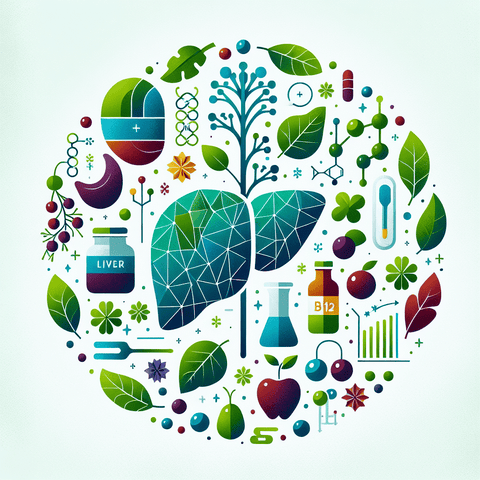
La santé du foie est un aspect dynamique du bien-être général qui reflète la manière dont votre corps gère l'énergie et les substances. Sur cette page, vous découvrirez sept habitudes simples que vous pouvez commencer dès aujourd'hui pour soutenir la santé du foie et rafraîchir votre rythme quotidien. Ces idées pratiques, basées sur des connaissances scientifiques, se concentrent sur les routines quotidiennes plutôt que sur des changements radicaux, ce qui facilite leur intégration dans des emplois du temps chargés. Habitude 1 : Établissez un rythme de sommeil cohérent en maintenant des heures de coucher et de réveil similaires. Habitude 2 : Divisez de longues périodes d'inactivité par des mouvements courts et réguliers. Habitude 3 : Créez un environnement organisé et peu stressant qui minimise les distractions et le désordre. Ces habitudes favorisent un rythme quotidien stable et peuvent être intégrées aux routines sans rénovations majeures. Habitude 4 : Incluez de courts moments de gestion du stress, comme la respiration profonde ou une courte pause pour faire le point avec vous-même. Habitude 5 : Planifiez votre journée avec des tâches réalisables et des limites pour éviter la surcharge. Habitude 6 : Passez en revue périodiquement vos routines et votre environnement pour repérer des opportunités de simples ajustements. Habitude 7 : Tenez un journal léger pour observer les modèles au fil du temps. Ensemble, ces sept habitudes offrent un cadre pratique que vous pouvez commencer dès aujourd'hui et qui s'aligne avec l'idée plus large de santé du foie et de vitalité quotidienne.
Santé du foie simplifiée : 7 habitudes faciles pour protéger votre foie et augmenter votre énergie
Liver health is a fundamental aspect of your body's overall function, influencing how you process nutrients, manage energy, and maintain daily well-being. Often, the concept can feel abstract, but it is closely tied to your everyday habits and food choices. This guide serves as a practical hub, offering a broad overview of the key areas that contribute to liver wellness. You'll find information on the liver's role, lifestyle habits that matter, the importance of nutrition, and how to think about supplements.
Whether you're looking for simple ways to start or seeking to understand the bigger picture, this page maps out the foundational knowledge. The goal is to provide clear, evidence-based insights that you can use to build a sustainable approach to supporting your liver, without resorting to drastic measures.
What Is the Liver and Why Is Its Health Important?
The liver is one of the largest and most complex organs in the body. It acts as a central processing hub, performing hundreds of vital tasks. Among its primary roles are filtering blood, metabolizing nutrients from food, producing bile for digestion, and storing energy. Because it is so involved in daily metabolic processes, the health of your liver can have a wide-reaching impact on your energy levels, digestion, and overall sense of well-being.
Supporting liver health is not about any single 'magic' solution. Instead, it involves a combination of factors that work together: a balanced diet, regular physical activity, adequate sleep, and mindful lifestyle choices. Understanding what the liver does helps you see why a holistic approach is necessary and how different aspects of your daily life can either support or hinder its function.
The Role of Nutrition and Diet
What you eat has a direct and significant impact on your liver. A diet that supports liver health is generally one that is balanced and varied, focusing on whole, unprocessed foods. Key elements of a liver-friendly diet often include:
- Plenty of vegetables and fruits, which provide antioxidants and fiber.
- Whole grains, such as oats, brown rice, and quinoa, for sustained energy.
- Healthy fats from sources like avocados, nuts, and olive oil.
- Lean proteins, like fish, poultry, and legumes.
Conversely, a diet high in processed foods, added sugars, and unhealthy fats can place extra strain on the liver. It is also important to be mindful of alcohol consumption, as it is a major factor in liver health. There is no single 'best' drink to detoxify the liver, but staying well-hydrated with water and limiting sugary drinks is a simple and effective strategy for overall health, including that of your liver.
Everyday Lifestyle Habits for a Healthy Liver
Beyond diet, certain lifestyle habits are cornerstones of wellness that support the liver. These routines don't require a complete overhaul of your life but focus on consistency and creating a steady daily rhythm. Here are seven simple habits that can make a meaningful difference:
- Establish a consistent sleep pattern by aiming for similar bed and wake times each day.
- Break up long periods of sitting with short, regular movement, like a brief walk or stretching.
- Create an organized, low-stress environment that minimizes distractions.
- Incorporate brief moments for stress management, such as deep breathing exercises or a short pause to check in with yourself.
- Plan your day with achievable tasks and set boundaries to avoid feeling overwhelmed.
- Periodically review your routines to see where small, simple adjustments can be made.
- Keep a lightweight log of your habits and feelings to observe patterns over time.
These habits foster a steady daily rhythm, which is a subtle yet powerful way to support your body's metabolic processes. They are practical and easy to integrate into any schedule.
Supplements and Their Role in Liver Support
While a balanced diet is the best way to obtain essential nutrients, many people explore dietary supplements to support their wellness goals. When it comes to liver health, certain vitamins, minerals, and botanicals are often discussed. Nutrients with antioxidant properties are particularly relevant, as they help neutralize free radicals that can cause cellular stress.
When considering supplements, it's crucial to adopt a cautious and informed approach. Not all products are created equal, and quality and dosage matter. Your specific needs depend on your overall health and dietary intake. Exploring a guide on multivitamins can help you understand how supplements can fit into a balanced routine, and learning about antioxidants offers more context on how these specific nutrients function in the body. Some people also look into traditional herbal extracts like those found in a guide on herbal supplements.
Signs That Your Liver May Need Extra Attention
Being attuned to your body's signals is a part of any health journey. Because the liver performs so many tasks, early signs of imbalance can be subtle and are often mistaken for other issues. While it's not a diagnosis, being aware of potential indicators is useful. Some commonly mentioned early signs that warrant attention include persistent fatigue, digestive issues, changes in appetite, or general feelings of sluggishness.
It is important to remember that these signs are non-specific and can be related to many other factors, like stress or lack of sleep. They should be viewed as suggestions to review your lifestyle habits, and most importantly, as a prompt to consult a healthcare professional for a proper evaluation. This page is for educational purposes and should not be used for self-diagnosis.
Building Your Personal Liver Health Framework
Ultimately, supporting your liver is a personal journey built on consistent, informed choices. There is no one-size-fits-all approach. A sustainable plan involves:
- Focusing on a balanced, whole-food based diet.
- Integrating simple daily movement and sleep routines.
- Managing stress and setting boundaries.
- Staying hydrated and moderating alcohol intake.
- Being thoughtful and informed about any supplements you choose to take.
This page provides an overview of the major themes surrounding liver health. For deeper dives into specific nutrients, complex questions, or particular lifestyle factors, explore the articles linked below. They are designed to expand on the different dimensions of the map we've laid out here, giving you the detailed knowledge to make empowered choices for your health.