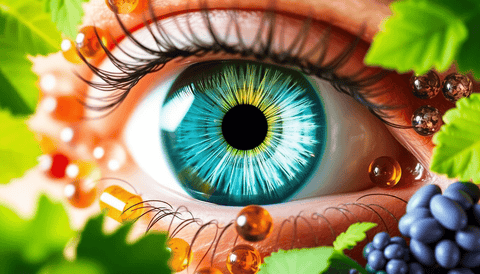
Découvrez comment les avantages de la lutéine et de la zéaxanthine sont décrits dans la littérature scientifique. Cette page vise à expliquer ce que les chercheurs entendent lorsqu’ils parlent des bénéfices de la lutéine et de la zéaxanthine en relation avec la biologie oculaire, sans faire de déclarations médicinales. L’objectif est de comprendre la terminologie, les types d’études, et les questions que les scientifiques se posent sur la manière dont ces composés fonctionnent dans l’œil, afin que les lecteurs puissent aborder le sujet avec clarté. Les discussions scientifiques sur les bénéfices de la lutéine et de la zéaxanthine font souvent référence à des mécanismes proposés tels que la filtration de la lumière et l’activité antioxydante. Les chercheurs étudient ces idées à travers des expérimentations en laboratoire, des données observationnelles et des essais cliniques afin de comprendre comment ces composés se comportent dans le système visuel. Bien que certains résultats suggèrent des rôles potentiels, la base de preuves est nuancée et il existe un débat continu sur l’ampleur et les conditions dans lesquelles ces effets peuvent apparaître. Les conseils pratiques pour aborder ce sujet comprennent la vérification de la crédibilité des sources, la distinction entre corrélation et causalité, et la prise en compte du contexte spécifique de chaque étude (tels que la population, la dose, et la durée). Si vous rencontrez des références aux principales sources alimentaires, recherchez des données crédibles comparant les niveaux de concentration et les portions typiques, et utilisez des bases de données fiables pour vérifier ces valeurs. Cette approche vous aide à former une vision équilibrée des bénéfices de la lutéine et de la zéaxanthine, sans extrapoler au-delà de ce que la science peut soutenir. En se concentrant sur le langage utilisé pour parler des bénéfices de la lutéine et de la zéaxanthine, les lecteurs peuvent mieux interpréter les nouvelles découvertes à mesure qu’elles émergent. La page vise à équilibrer la curiosité avec une pensée critique, en offrant une vue d’ensemble neutre et des étapes pratiques pour explorer la façon dont ces caroténoïdes s’intègrent dans les discussions plus larges sur la biologie liée à l’œil. Si vous souhaitez une orientation personnalisée, envisagez de consulter des professionnels de la santé qualifiés ou des experts en nutrition, qui peuvent aider à traduire la recherche en considérations individuelles.
Avantages de la lutéine et de la zéaxanthine : Protégez vos yeux, améliorez la vision et soutenez la santé globale de vos yeux
Lutein and zeaxanthin are powerful antioxidants that have garnered significant attention for their potential role in supporting long-term eye health. Found naturally in the macula of the eye, these plant pigments may help protect vision from age-related decline and the stresses of modern screen time. This guide provides a comprehensive overview of what lutein and zeaxanthin are, their proposed benefits, the best food sources, and important safety considerations for those thinking about supplementation.
What are Lutein and Zeaxanthin?
Lutein and zeaxanthin belong to a group of over 600 naturally occurring carotenoids, which are the pigments that give many fruits and vegetables their yellow, orange, and red colors. They are often referred to as the "eye vitamins" because they are selectively accumulated in the eye's macula, where they form the macular pigment.
This dense layer of pigment acts in two primary ways: as a natural filter, helping to absorb high-energy blue light, and as an antioxidant, helping to neutralize potentially harmful free radicals before they can damage delicate eye tissues. Understanding this basic biology is key to appreciating the interest these compounds have generated in the fields of nutrition and vision science. Lutein is also found in the skin and brain, where its antioxidant properties are also being investigated.
The Science Behind the Benefits
Most scientific research on lutein and zeaxanthin has focused on their role in eye health, particularly in relation to age-related macular degeneration (AMD) and visual function. The proposed mechanisms include their ability to filter blue light and their antioxidant activity, which may help protect the retina over time.
Eye Health and Visual Performance
Research suggests that a higher dietary intake and higher blood levels of lutein and zeaxanthin are associated with a reduced risk of developing advanced AMD. Studies have also looked into whether supplementation can improve visual performance in areas like contrast sensitivity, glare recovery, and general visual acuity. While findings are promising, the evidence base for these outcomes is nuanced and the magnitude of effects can vary between individuals.
Potential Benefits for Skin and Brain
Beyond the eyes, lutein and zeaxanthin are being explored for their antioxidant benefits throughout the body. In the skin, these carotenoids may help protect against damage from UV radiation and support skin hydration. In the brain, their role as antioxidants has led researchers to investigate their potential impact on cognitive health, though this is an area of emerging science that requires more investigation.
As with any area of nutrition science, it is important to view these findings with a balanced perspective. While the correlations and mechanisms are compelling, they do not constitute proof that these compounds can prevent, treat, or cure any disease.
Dietary Sources and Recommended Intake
The best way to increase your lutein and zeaxanthin levels is through your diet. They are fat-soluble, meaning they are better absorbed when consumed with a source of dietary fat.
Foods Rich in Lutein and Zeaxanthin
- Leafy green vegetables (kale, spinach, collard greens)
- Egg yolks (particularly from pasture-raised hens)
- Corn and sweet corn
- Orange and yellow fruits and vegetables (carrots, pumpkin, squash, oranges)
- Herbs and spices like parsley and basil
- Certain types of algae and microalgae
Recommended Dietary Intake
There is no official recommended daily allowance (RDA) for lutein and zeaxanthin. However, based on research, many experts suggest that an intake of around 10 mg of lutein and 2 mg of zeaxanthin per day may support good eye health. A balanced diet can provide this amount: for instance, a one-cup serving of raw spinach offers around 3.7 mg of lutein, and a single large egg contains approximately 0.2 mg.
Supplements and Common Questions
For those who find it difficult to consume enough lutein and zeaxanthin through diet alone, supplements are a popular and convenient option. They are often derived from marigold flowers and come in various forms, such as capsules and softgels. If you are considering a supplement, it is important to understand the practical aspects of usage.
When and How to Take Them
The best time to take lutein and zeaxanthin supplements is with a meal that contains some fat, as this significantly improves absorption. This could be breakfast, lunch, or dinner. There is no scientific reason to prefer morning or night; consistency is more important than a specific time.
It is generally considered safe to take these supplements daily. They are fat-soluble vitamins, so they are stored in the body, and a consistent daily intake helps maintain steady levels. Many eye health experts use supplements in their own lives and practices.
How Long Until They Work?
The timeline for seeing effects, particularly for presymptomatic eye health, is generally measured in months, not days. Research studies often look at a period of six months to two years to assess the impact of supplementation. This is because the nutrients need time to build up in the macular pigment.
Safety, Side Effects, and Interactions
Lutein and zeaxanthin are well-tolerated by most people. However, as with any supplement, there are a few important considerations to keep in mind.
- Common Side Effects: High doses are generally safe but may cause a benign condition called carotenemia, which is a yellowing of the skin. Other rare, mild side effects can include digestive issues.
- Beta-Carotene Interactions: Some formulations include beta-carotene, and studies (such as the CARET and ATBC trials) have shown a potential link between beta-carotene supplements and an increased risk of lung cancer in smokers. For this reason, smokers are often advised to choose a supplement without beta-carotene.
- Medication Interactions: While lutein and zeaxanthin are not known to have major interactions with medications, it is always prudent to inform your doctor about all supplements you are taking, especially if you are on blood thinners or other medications that require close monitoring.
This information is for educational purposes and should not be considered medical advice.
Exploring Your Supplement Options
For those looking to support their health through nutrition, exploring high-quality supplements can be an important step. On our site, you can browse a range of options related to antioxidants and overall wellness.
To learn more about how different antioxidants work together and their general role in the body, you can explore our antioxidants collection. For more specific options, you might also be interested in our targeted antioxidant supplements page, which features specialized products.
Remember, supplements are most effective when used as part of a holistic approach to health, which includes a balanced diet rich in fruits and vegetables, regular exercise, and not smoking.