Magnesium Content in Fruits: Top Magnesium-Rich Fruits


Découvrez quels fruits contiennent le plus de magnésium et comment les intégrer à vos repas quotidiens. La teneur en magnésium des fruits varie selon le type et la taille des portions, certains fruits offrant des quantités plus élevées que d'autres. Cette page se concentre sur la quantité de magnésium dans les fruits et propose des idées simples pour intégrer ces options à vos repas de tous les jours. En examinant la teneur en magnésium des fruits, vous pouvez comparer les choix et trouver des moyens faciles de les inclure dans votre routine. Parmi les options couramment disponibles, certains fruits se distinguent par leur teneur en magnésium par portion standard. Les avocats, les bananes, le kiwi et certains fruits secs comme les figues sont fréquemment mentionnés pour leur contenu minéral par rapport à d’autres fruits. Gardez à l’esprit que la teneur précise en magnésium dans les fruits dépend de la variété et si le fruit est frais ou séché, donc les chiffres peuvent varier. Si vous surveillez votre apport en minéraux, consulter des sources nutritionnelles fiables peut vous aider à faire des comparaisons éclairées. Des idées pratiques pour ajouter ces fruits à vos repas quotidiens incluent l’étalement d’avocat sur une tartine, le mélange de banane dans des smoothies, la garniture de yaourt avec des tranches de kiwi, et l’incorporation de figues dans les flocons d’avoine ou les salades. Vous pouvez associer ces fruits à des ingrédients complémentaires pour créer des combinaisons rapides et satisfaisantes qui mettent en valeur la teneur en magnésium dans les fruits. Avoir un assortiment préparé à portée de main facilite l’intégration d’options à base de fruits dans vos repas. Pour varier votre alimentation, alternez entre fruits frais et fruits secs, et planifiez à l’avance pour les jours chargés. Conservez les bananes à température ambiante jusqu’à leur maturation, les avocats à température ambiante jusqu’à leur consommation, les kiwis dans le réfrigérateur une fois mûrs, et les figues sèches dans un récipient frais et hermétique. Avec ces étapes simples, vous pouvez intégrer régulièrement une variété de fruits et leur contenu en magnésium dans vos repas et collations à différentes occasions.


Which fruit contains a lot of magnesium? - Topvitamine
18 December 2025
Les fruits riches en magnésium peuvent contribuer aux apports quotidiens, notamment l’avocat, la banane et certains fruits secs. Leur teneur varie selon la variété et la portion, tandis que les fruits secs sont plus concentrés en sucres et en calories. Cet article présente les meilleures options, les autres aliments à privilégier, les limites d’une alimentation fondée uniquement sur les fruits et les précautions liées aux compléments.
Where is magnesium found in a banana? - Topvitamine
31 October 2025
Une banane moyenne apporte environ 32 mg de magnésium, principalement réparti dans sa chair comestible. Elle contribue à l’apport quotidien, sans constituer une source très riche comparée aux graines, aux noix ou aux légumes à feuilles. Cet article explique sa teneur, la compare à celle d’autres fruits et répond aux questions sur le diabète, la fibromyalgie et les compléments de magnésium.
Which fruit is high in magnesium? - Topvitamine
25 October 2025
La figue de Barbarie, les figues séchées et les dattes font partie des fruits les plus concentrés en magnésium, tandis que la banane et l’avocat offrent des quantités plus modérées. Découvrez un tableau comparatif, les apports journaliers de référence, les limites d’une alimentation composée uniquement de fruits et des idées simples pour associer les fruits à d’autres sources alimentaires de magnésium.

Which fruit is richest in magnesium? - Topvitamine
21 October 2025
Le fruit le plus riche en magnésium dépend de la comparaison : les figues séchées arrivent en tête pour 100 g, tandis que l’avocat figure parmi les meilleurs fruits frais courants. La banane contribue également, mais ne couvre pas à elle seule les besoins quotidiens. Découvrez les teneurs, les aliments à associer, les signes non spécifiques d’un manque et les précautions liées aux compléments.
Which fruit has the most magnesium? - Topvitamine
14 October 2025
Les figues sèches figurent parmi les fruits les plus riches en magnésium, tandis que l’avocat, la banane et le fruit de la passion peuvent compléter les apports. Toutefois, les fruits ne sont pas les principales sources alimentaires de ce minéral : graines, noix, légumineuses et céréales complètes en apportent généralement davantage. Découvrez les quantités, des idées de repas et les précautions concernant les compléments.

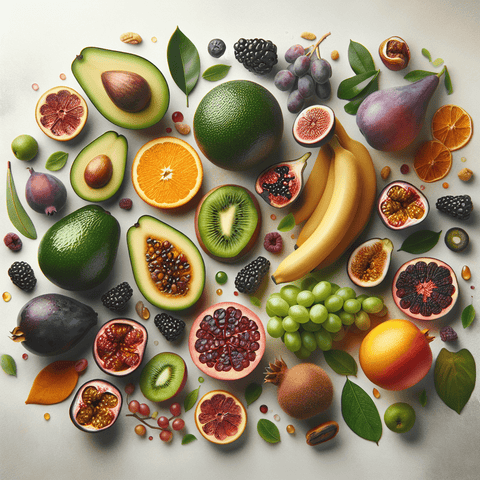
Magnesium content in fruits is a topic many readers explore when they want to build a more mineral-conscious diet. Magnesium is an essential mineral that the body cannot produce itself, so regular dietary intake matters — and fruit is one of the food groups that contributes. Among commonly available options, prickly pear and dried figs are frequently noted for their comparatively high magnesium content, while fruits such as avocado, banana and jackfruit provide useful amounts in typical serving sizes. This page offers a broad overview of the topic: which fruits tend to rank higher, how fruit compares with other magnesium sources, what influences the numbers, and how to fit magnesium-containing fruits into everyday meals. The individual articles collected under this tag explore specific questions in more depth.

What Is Magnesium and Why Does Fruit Matter?

Magnesium is an essential mineral involved in many of the body's normal processes, including normal muscle function and the normal functioning of the nervous system. Because the body relies on dietary intake to maintain its magnesium supply, health authorities such as the National Institutes of Health (NIH) publish reference values describing how much magnesium most people should aim to consume each day.

Fruit is rarely the single richest source of magnesium in an overall diet, but it contributes meaningfully when eaten regularly and in variety. Fruit also pairs naturally with other magnesium-containing foods — nuts, seeds, oats, yogurt and legumes — which makes it an easy building block in everyday meal planning. Understanding how much magnesium different fruits contain helps you compare options and balance fruit intake against the rest of your diet.

Which Fruits Are Highest in Magnesium?

Magnesium levels differ widely from fruit to fruit. Based on standard nutrient databases such as USDA FoodData Central, prickly pear and dried figs sit near the top of the fruit range, with several other fresh and dried fruits contributing smaller but still useful amounts. For context, the daily value (DV) used on nutrition labels is 420 mg for adults, so even the most magnesium-rich fruits cover a portion — rather than all — of the day's needs in a single serving.

  • Prickly pear — approximately 85 mg per 100 g, among the highest magnesium contents found in any fruit.
  • Dried figs — approximately 68 mg per 100 g, making them one of the most concentrated fruit sources.
  • Dried apricots — approximately 32 mg per 100 g.
  • Durian — approximately 30 mg per 100 g.
  • Avocado — approximately 29 mg per 100 g.
  • Jackfruit — approximately 29 mg per 100 g.
  • Passion fruit — approximately 29 mg per 100 g.
  • Banana — approximately 27 mg per 100 g, a familiar everyday contributor.
  • Papaya — approximately 21 mg per 100 g.
  • Blackberries — approximately 20 mg per 100 g.
  • Kiwifruit — approximately 17 mg per 100 g, a modest but real contribution.

These figures are approximate. Values can differ between databases and vary with variety, ripeness, growing conditions and how the fruit is prepared, so treat them as indicative rather than exact. If you track mineral intake, checking a reliable source such as USDA FoodData Central helps you compare like with like.

Factors That Influence Magnesium Content in Fruit

Fresh and dried fruit are not directly comparable on a per-100-gram basis. Drying removes water, which concentrates the minerals a fruit contains — that is why dried figs and dried apricots show higher magnesium figures than most fresh fruits. Because a typical serving of dried fruit is also smaller than a serving of fresh fruit, the difference per actual portion is less dramatic than the per-100-gram numbers suggest.

Other factors play a role too. Variety, ripeness, growing conditions and storage can all influence the final mineral content, and serving sizes differ from fruit to fruit. This is one reason published values vary slightly between sources, and why it helps to check current reference data rather than relying on a single figure.

How Fruit Fits Into Daily Magnesium Intake

Reference intakes for magnesium generally fall between roughly 310 and 420 mg per day for adults, depending on age and sex. A single serving of fruit usually contributes a modest share of that total, so fruit works best as one component of a varied diet rather than as a standalone way to reach daily magnesium targets. A practical way to think about fruit is as a regular, enjoyable contributor that adds up across the day alongside other foods.

Other food groups are generally denser magnesium sources than fruit. Nuts, seeds, legumes, whole grains and leafy green vegetables typically provide more magnesium per serving, which is why they form the backbone of most magnesium-conscious eating patterns. Not every protein food contributes much magnesium either — eggs, for example, contain relatively small amounts — which underlines the value of combining several different food groups across the day.

If you would like to look beyond individual foods, our mineral supplements guide gives an overview of iron, zinc, selenium and other essential minerals in one place.

Practical Ways to Enjoy Magnesium-Containing Fruits

Adding more magnesium-containing fruit to your day does not require complicated planning. Small, repeatable habits tend to work best, and many build on meals you may already be eating.

  • Spread avocado on toast or add slices to salads and grain bowls.
  • Blend banana into smoothies or pair it with oatmeal.
  • Top yogurt with kiwifruit slices for a quick snack or breakfast addition.
  • Stir chopped dried figs into oats, salads or baked recipes.
  • Add dried apricots or passion fruit to trail mixes and fruit salads.

Pairing these fruits with complementary ingredients — nuts, seeds, oats, yogurt or whole grains — creates quick, satisfying combinations that fit naturally into breakfasts, snacks and desserts. To keep your choices varied, rotate fresh and dried options and keep a small assortment ready for busy days.

Simple storage habits help reduce waste as well. Store bananas at room temperature until they ripen, keep avocados at room temperature until they are ready to eat, refrigerate kiwifruit once ripe, and store dried figs in a cool, sealed container.

Magnesium Supplements and Where They Fit

For most people, a varied diet is the natural starting point for magnesium intake, and food should generally come first. That said, some people consider magnesium supplements — for example, when dietary intake is limited or when a healthcare professional suggests topping up. If you are exploring this route, our magnesium supplements collection gathers products focused on this mineral in one place.

Individual needs vary, and supplements are not suitable for everyone. Anyone thinking about magnesium supplementation — particularly people managing a medical condition, those taking prescription medication, and women who are pregnant or breastfeeding — should discuss it with a doctor or qualified healthcare professional first. General information like this page is educational and is not a substitute for personalised medical advice.

Exploring the Topic Further

The magnesium content in fruits is a broad topic with many useful branches. The articles collected under this tag go deeper into individual questions — comparisons between specific fruits, serving-size breakdowns, guidance on planning daily magnesium intake from food, and related mineral topics. Use this page as the map of the topic, and the articles below as focused deep dives into the parts most relevant to you.