
Découvrez le tableau des aliments riches en magnésium : une ressource pratique qui met en avant la teneur en magnésium des aliments courants, avec des quantités exactes par portion et des idées pratiques pour les modes de vie pressés. Cette page se concentre sur le tableau alimentaire du magnésium comme une référence claire à consulter lors de la planification des repas, de la constitution des listes de courses ou pour trouver rapidement des idées de repas entre les tâches. L'objectif est de fournir des données sous un format simple, facile à consulter. À propos du tableau des aliments riches en magnésium : il est organisé par groupes d’aliments tels que les grains, les produits laitiers et alternatives enrichies, les légumineuses, les noix et graines, les légumes, les fruits et les boissons. Pour chaque aliment, le tableau indique la taille standard de la portion et la teneur exacte en magnésium par portion, exprimée en unités courantes. La mise en page est conçue pour une lecture rapide, avec des notes clarifiant les tailles de portions et les variations typiques possibles. Comment utiliser le tableau du magnésium dans la planification quotidienne : ouvrez le tableau lors de l’élaboration d’un menu hebdomadaire ou d’une liste de courses ; comparez les éléments entre différents groupes ; utilisez les détails sur la taille des portions pour guider les quantités. Ce tableau peut servir de référence pour associer certains aliments ou pour substituer des ingrédients sans modifier le plan global, favorisant une approche flexible pour les idées de repas. Conseils simples, savoureux, et idées de repas rapides pour augmenter la consommation quotidienne dans un mode de vie actif : gardez un petit pot de graines ou de noix hachées à portée de main pour saupoudrer sur du yaourt, du porridge ou des salades ; incorporez des légumineuses dans des soupes, des bols ou des wraps ; mélangez des grains avec des légumes et une source de protéines pour des bols rapides ; préparez des portions en vrac en suivant les quantités indiquées dans le tableau afin d’avoir des options toutes prêtes lors des journées chargées. Cette page se concentre sur l’utilisation pratique du tableau des aliments riches en magnésium pour s’intégrer dans un rythme de vie effréné.
Carte alimentaire du magnésium : votre guide rapide des aliments riches en magnésium
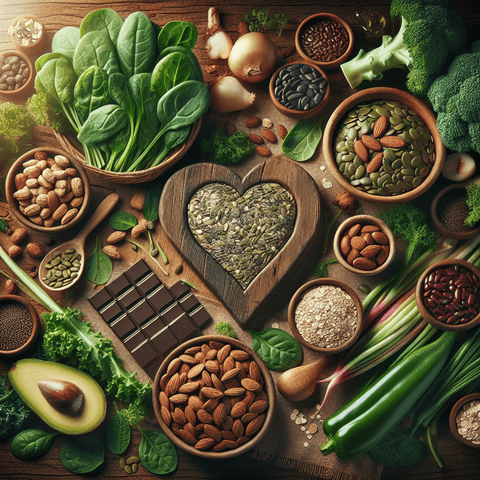
Magnesium is a mineral that the human body uses in many normal physiological processes, including energy metabolism and normal muscle function. Because the body cannot produce magnesium on its own, it must be obtained from food, beverages or supplements. A magnesium food chart is a reference tool that brings this information together in one place, listing foods that contain magnesium alongside their typical serving sizes and approximate magnesium content.
This topic hub is designed to help readers understand how a magnesium food chart is structured, which food groups typically contribute magnesium, and how such a chart can be used sensibly in everyday meal planning. It offers a broad overview rather than a substitute for personalised dietary advice.
What Is a Magnesium Food Chart?
A magnesium food chart is a structured list or table that presents foods containing magnesium together with two key pieces of information: the serving size being referenced and the approximate amount of magnesium in that serving, usually measured in milligrams (mg). Charts may vary in how many foods they include and how they group them, but the underlying purpose is the same — to give readers a quick, scannable way to compare magnesium content across different foods.
It is helpful to keep in mind that the figures in any chart are estimates. Magnesium content in food can vary depending on factors such as soil conditions, plant variety, processing, fortification and how a food is prepared or cooked. For this reason, a magnesium food chart should be treated as a general reference rather than an exact measurement for every specific product or dish.
Food Groups That Typically Contain Magnesium
Magnesium appears across a wide range of foods, which means most balanced eating patterns have several opportunities to include it. The chart format usually organises entries into recognisable food groups so readers can quickly find the categories most relevant to their diet.
- Nuts and seeds — often among the more concentrated plant sources of magnesium.
- Legumes — beans, lentils and similar foods that can contribute magnesium alongside protein and fibre.
- Whole grains — grains such as oats, brown rice and whole wheat products.
- Vegetables — particularly leafy green vegetables and certain others.
- Fruits — including bananas and other fruits that contain modest amounts.
- Dairy and fortified alternatives — milk, yoghurt and fortified plant-based drinks.
- Beverages — certain drinks, including some mineral waters and cocoa-based drinks.
Seeing these groups side by side can help readers understand that magnesium is not limited to one type of food. It also illustrates why a varied diet tends to be more useful than focusing on a single food.
How to Read and Use a Magnesium Food Chart
Reading a magnesium food chart is straightforward once you understand its structure. Each row typically shows the food, the serving size being referenced and the magnesium content for that serving. Comparing entries is most meaningful when serving sizes are similar, because a food with a high magnesium figure per 100 g may deliver less magnesium in a typical portion than a food with a more moderate figure eaten in larger amounts.
Practical ways to use the chart include:
- Checking which foods you already eat regularly and roughly how much magnesium they contribute.
- Identifying one or two magnesium-containing foods you could add to meals you already prepare.
- Using the chart as a shopping reference when planning meals for the week.
- Comparing similar foods within a group, such as different types of nuts or grains.
It is worth noting that a chart is a general guide. Individual magnesium needs can vary based on factors such as age, sex, life stage and overall health. A healthcare professional can help interpret general reference values in the context of a specific person's situation.
Factors That Influence Magnesium Content in Food
The magnesium content shown in a chart is an approximation, and several factors can influence the actual amount present in a food. Understanding these variables helps explain why different charts may show slightly different figures for the same food.
- Soil and growing conditions — magnesium levels in plants can reflect the mineral content of the soil in which they were grown.
- Processing and refining — grains that have been refined typically contain less magnesium than wholegrain versions.
- Fortification — some products, such as certain breakfast cereals or plant-based drinks, may have magnesium added.
- Preparation and cooking — cooking methods and the addition of other ingredients can alter the magnesium content of a finished dish.
- Brand and product variation — different brands and formulations of similar products may differ in magnesium content.
Because of these variables, a magnesium food chart is best used for general orientation rather than precise calculation. For individuals who need to monitor magnesium intake closely for medical reasons, a qualified healthcare professional can provide more individualised guidance.
Magnesium in the Broader Context of Mineral Nutrition
Magnesium is one of several minerals the body uses. Others include calcium, iron, zinc, selenium, iodine, copper, manganese and chromium, each with its own roles in normal physiology. Looking at magnesium within this broader context can help readers understand that no single nutrient works in isolation.
For readers interested in exploring the wider landscape of mineral nutrition, Topvitamine offers a mineral supplements guide covering iron, zinc, selenium, iodine, copper, manganese and chromium. Magnesium itself is discussed in more depth in the magnesium benefits, energy, muscle and bone support category, which may be useful for readers who want to go beyond food sources.
Magnesium Supplements and Food Sources
Some people consider magnesium supplements if they feel their diet may not provide enough of the mineral, or if a healthcare professional has suggested it. Magnesium supplements come in several forms, and the form can influence how the supplement is used by the body. Common forms include magnesium citrate, magnesium glycinate, magnesium oxide and others, each with different characteristics.
Supplements are not a substitute for a varied diet, and they are not appropriate for everyone. Anyone considering a magnesium supplement, particularly if they take medication or have a medical condition, may wish to speak with a healthcare professional first. General information about supplement formats and considerations can be found in the natural supplements collection.
Practical Tips for Including More Magnesium-Containing Foods
For readers who want to make practical use of a magnesium food chart, small and consistent adjustments tend to be more sustainable than large, sudden changes. The following ideas are general suggestions rather than personalised advice.
- Keep a small jar of seeds or chopped nuts on hand to sprinkle over yoghurt, oats or salads.
- Stir legumes such as beans or lentils into soups, grain bowls or wraps.
- Choose wholegrain versions of bread, pasta or rice where practical.
- Include leafy green vegetables in meals several times a week.
- Add a banana or other fruit to breakfast or snacks.
- Batch-prepare portions that align with serving sizes from the chart so ready-to-use options are available on busy days.
These habits can be combined in flexible ways, and readers can adapt them to their own preferences and dietary patterns. The chart is most useful when it supports existing routines rather than dictating a rigid plan.
Exploring Magnesium and Related Topics Further
A magnesium food chart is one entry point into the broader topic of magnesium and mineral nutrition. Readers may wish to explore related areas such as how magnesium fits alongside other minerals, what different supplement forms look like, or how magnesium-containing foods can be included in everyday meals. More specific questions — such as which single food contains the most magnesium, how much magnesium a banana provides, or how to reach a particular daily intake from food alone — are typically addressed in dedicated articles linked from this topic hub rather than in the hub itself.
General information on this page is educational and does not replace personalised medical or dietary advice. Readers with specific health concerns, dietary requirements or questions about magnesium intake are encouraged to consult a qualified healthcare professional.