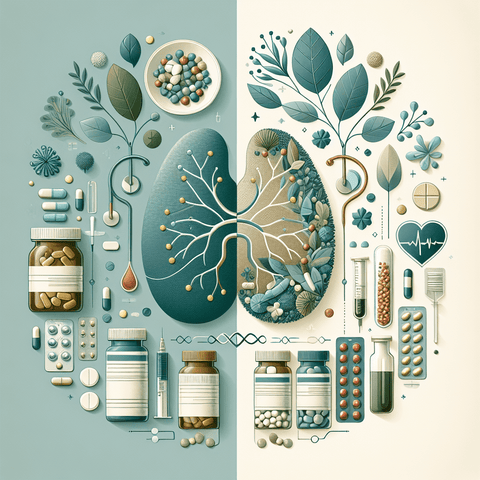
Les risques d'interactions médicamenteuses surviennent lorsque deux substances ou plus influencent mutuellement le corps. Ces interactions peuvent concerner des médicaments sur ordonnance, des produits en vente libre et certains compléments alimentaires. En comprenant comment ces interactions se développent, vous pouvez reconnaître des schémas qui contribuent à ces risques. Identifier les combinaisons risquées implique d’examiner comment différentes substances sont utilisées ensemble, y compris le timing et les effets attendus. Partagez toujours une liste complète de ce que vous prenez avec votre équipe de soins de santé, même les éléments qui vous semblent insignifiants. Le personnel de la pharmacie et les cliniciens peuvent examiner les interactions potentielles et clarifier si une combinaison est appropriée. Dans certains cas, modifier la façon ou le moment de prendre un médicament peut influencer le risque d’interaction. Les étapes pratiques pour prévenir les dommages commencent par un dossier de médication à jour. Gardez une liste actuelle incluant les médicaments, les produits en vente libre et les compléments, ainsi que les dosages et les horaires. Apportez cette liste à chaque rendez-vous et passez-la en revue avec un professionnel de santé ou un pharmacien. Avant de commencer un nouveau traitement, vérifiez les interactions potentielles et confirmez leur compatibilité avec votre fournisseur ou un pharmacien de confiance. En cas de besoin, utilisez une ressource fiable de vérification des interactions, et signalez rapidement tout nouveau médicament à votre équipe de soins. Maintenir une conscience des risques d’interactions médicamenteuses est un processus continu. Établissez des routines qui favorisent des revues régulières, notamment lors de transitions de soins ou lorsque de nouvelles thérapies sont introduites. Si vous remarquez des effets inhabituels après un changement, consultez un professionnel pour obtenir des conseils. Cette approche favorise une participation éclairée aux soins et contribue à une gestion sécurisée des médicaments.
Risques d'interaction médicamenteuse : Comment les médicaments peuvent mettre votre santé en danger
Medication interaction risks are an important consideration for anyone taking prescription medicines, over-the-counter products, or supplements. When substances influence each other within the body, the effects of a medication can change, sometimes unexpectedly. This page provides a broad overview of how medication interactions can occur, why they matter, and what you can do to manage them responsibly.
What Are Medication Interaction Risks?
A medication interaction occurs when the effect of one substance is changed by the presence of another substance. These substances can be prescription drugs, over-the-counter medications, herbal supplements, vitamins, minerals, or even certain foods and beverages. The result can be a stronger or weaker effect than intended, or an increased risk of side effects. Medication interaction risks refer to the potential for these changes to cause harm or reduce the effectiveness of a treatment.
These risks are not uncommon. Many supplements and foods can affect how your body processes different medications. For example, certain vitamins or minerals might interfere with absorption, while others could affect how the liver breaks down a drug. Understanding these basics helps you have more informed conversations with your healthcare team.
Common Types of Drug Interactions
Interactions are generally categorized into a few broad types. Knowing the difference helps explain how and why a combination might be a concern.
Drug-Drug Interactions
This occurs when two or more medications interact with each other. One drug might increase or decrease the levels of another in your blood, or it could amplify the side effects of the other drug. Taking multiple prescriptions makes it more likely that you will need a review for these potential concerns.
Drug-Supplement Interactions
These occur when a dietary supplement alters the way a medication works. For instance, a mineral like calcium can bind to certain antibiotics, reducing their absorption. Other supplements might affect blood clotting or blood pressure, which could be relevant if you take medications for these conditions. It is always wise to inform your pharmacist about every supplement you take.
Drug-Food Interactions
Sometimes, the food you eat can affect a medication's absorption. Grapefruit juice is a well-known example, as it can interfere with enzymes that break down many drugs. Timing your medication around meals, as directed, is a simple way to manage some of these risks.
Why Recognizing These Risks Matters
Being aware of medication interaction risks helps you participate actively in your own care. An interaction might not always cause noticeable symptoms, but it can still affect how well your treatment works. For example, a supplement might reduce the amount of medication that reaches your bloodstream, which could mean the medication is less effective than needed.
In other cases, an interaction might increase the risk of side effects. This can range from mild discomfort to more serious health concerns. Because everyone's health situation is unique, professional guidance is essential. Pharmacists are uniquely trained to review medication profiles and identify potential problems before they happen.
How Supplements Contribute to Interaction Risks
Vitamins, minerals, and herbal products all have biological activity. While they are often taken for their nutritional benefits, they can also have effects on the body that matter when you take medications. Some supplements can affect blood clotting, while others might influence blood pressure or blood sugar levels. The dose and form of a supplement can also play a role.
This is why it is so important to treat supplements with the same level of caution as you would any medication. Whether you are exploring a new vitamin or a herbal supplement, it is part of your medication profile. Always provide a complete list to your healthcare provider. When looking for supplements, it can be helpful to start with reputable suppliers who provide clear labeling and information about their products.
Practical Steps to Prevent Harmful Interactions
Prevention is centered on good communication and maintaining accurate records. The following actions can help you manage medication interaction risks effectively:
- Keep an up-to-date list of all your medicines, OTC products, and supplements, including dosages and schedules.
- Bring this list to every appointment with your doctor, pharmacist, or other healthcare provider.
- Before starting any new medication or supplement, ask a pharmacist to check for potential interactions.
- Check labels on OTC products and supplements for warnings about interactions with your current medications.
- Report any new supplements or medications to your care team promptly, even if they seem unrelated.
These steps support safer medication use and help ensure that your treatment plan works as intended.
Maintaining Ongoing Awareness
Your medication regimen is not static. Changes in your health, new prescriptions, or changes in supplements can all affect interaction risks. It is helpful to review your full medication and supplement list regularly, especially during transitions in care or when a new therapy is started. If you notice any unusual effects after a change, reach out to a healthcare professional for guidance.
Staying informed is a key part of managing your own health. By understanding the broad concepts behind medication interaction risks, you are better equipped to ask the right questions and make informed decisions in consultation with your healthcare team.