
Souffrez-vous de problèmes de santé mentale ? Vous n’êtes pas seul. Beaucoup de personnes rencontrent des difficultés mentales à différents moments de leur vie, et reconnaître ce que vous ressentez est la première étape pour obtenir du soutien. Cette page propose des conseils clairs sur les signes à surveiller, les influences courantes qui peuvent y contribuer, et des options pratiques et confidentielles pour avancer. Les signes courants de trouble apparaissent souvent dans l’humeur, les pensées et le fonctionnement quotidien. Vous pourriez remarquer une tristesse persistante ou de l’anxiété, de l’irritabilité, ou des soucis qui ne s’apaisent pas. Des changements dans le sommeil, de la fatigue ou des difficultés de concentration peuvent survenir, ainsi qu’un retrait des activités que vous appréciiez auparavant. Certaines personnes constatent des symptômes physiques comme des mal de tête ou des tensions, ou une sensation d’être submergé par les tâches quotidiennes. Si vous avez des pensées de vous faire du mal ou de faire du mal aux autres, consultez immédiatement une personne de confiance ou les ressources d’urgence. Les causes des problèmes de santé mentale sont rarement unique. Elles résultent d’une combinaison de facteurs, notamment le stress continu, les transitions de vie, les traumatismes, l’isolement social et des antécédents familiaux. Des facteurs environnementaux, comme les pressions au travail ou des milieux non sécurisants ou peu soutenants, peuvent aussi aggraver les symptômes. Comprendre que les troubles mentaux proviennent de plusieurs influences peut vous aider à aborder le soutien sans vous blâmer et à vous encourager à chercher des soins. Prendre des mesures concrètes peut commencer dès aujourd’hui. Contactez quelqu’un en qui vous avez confiance et commencez une conversation sur ce que vous vivez. Envisagez de prendre rendez-vous en toute confidentialité avec un professionnel de santé mentale, un conseiller ou votre médecin traitant. De nombreuses communautés proposent des lignes d’assistance confidentielles, des services de chat, et des ressources en ligne, y compris des options de thérapie à des tarifs abordables. Si vous êtes en danger immédiat ou si vous vous sentez incapable de vous protéger, contactez immédiatement les services d’urgence. Vous méritez un soutien confidentiel et des ressources qui respectent votre vie privée, et faire un petit pas peut faire une différence significative.
Problèmes de santé mentale : Signes, causes, et comment obtenir de l'aide aujourd'hui
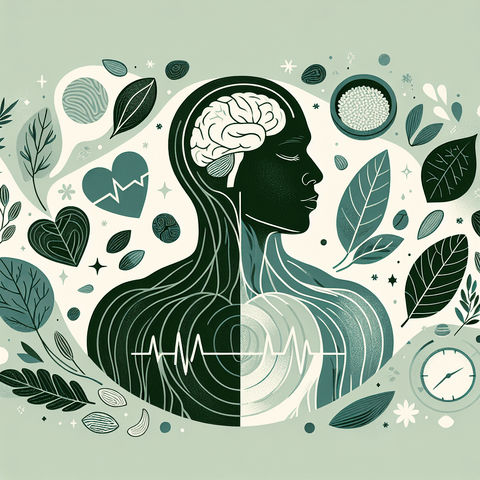
Mental health issues affect millions of people worldwide and can influence how a person thinks, feels, and navigates daily life. They are not a reflection of weakness or a lack of willpower. Instead, they are recognized health conditions that can be understood, managed, and treated with appropriate support. This page serves as a broad overview of mental health issues, covering what they are, the main categories and types, common signs to be aware of, contributing factors, and the practical paths available for getting help. Whether you are exploring this topic for yourself, for someone you care about, or simply to build your understanding, the goal is to provide clear, compassionate, and useful information.
What Are Mental Health Issues?
Mental health issues refer to a wide range of conditions that affect a person's emotional, psychological, and social well-being. They can alter how someone thinks, feels, behaves, and interacts with others. Mental health issues are not isolated to any single group; they can affect anyone, regardless of age, gender, income, or background.
It is important to distinguish between everyday emotional ups and downs and clinical mental health conditions. Everyone experiences sadness, stress, or worry from time to time. However, when these feelings become persistent, intense, or begin to interfere with daily functioning, relationships, or overall quality of life, they may indicate a mental health issue that could benefit from professional attention.
Mental health is a fundamental part of overall health. Just as physical health can be supported through various means, mental health can also be nurtured and treated when challenges arise. Understanding the landscape of mental health issues helps reduce stigma, encourages open conversations, and makes it easier for people to seek the support they deserve.
Main Types and Categories of Mental Health Issues
Mental health issues encompass a broad range of conditions. While every individual's experience is unique, mental health professionals often group conditions into categories based on shared features. The following overview introduces the major categories, though it is not a diagnostic tool and should not replace evaluation by a qualified professional.
- Anxiety disorders: Characterized by excessive fear, worry, or nervousness that is difficult to control and can interfere with daily activities. Examples include generalized anxiety disorder, social anxiety disorder, and panic disorder.
- Mood disorders: Involve persistent disturbances in emotional state. Major depressive disorder and bipolar disorder are among the most well-known mood disorders.
- Psychotic disorders: Conditions that may involve distorted thinking, perceptions, or a loss of contact with reality. Schizophrenia is a prominent example.
- Eating disorders: Serious conditions involving disturbed eating behaviors and related thoughts and emotions. Anorexia nervosa, bulimia nervosa, and binge-eating disorder are common types.
- Impulse control and addiction disorders: Conditions where a person may struggle to resist urges or impulses that could be harmful to themselves or others.
- Obsessive-compulsive disorder (OCD): Involves recurring, unwanted thoughts (obsessions) and repetitive behaviors or mental acts (compulsions) that a person feels driven to perform.
- Post-traumatic stress disorder (PTSD): May develop after exposure to a traumatic event and can involve flashbacks, severe anxiety, and uncontrollable thoughts about the event.
These categories are not rigid, and many people experience symptoms that overlap multiple conditions. A qualified mental health professional is best positioned to provide an accurate assessment and diagnosis. Understanding the breadth of mental health issues helps humanize the topic and encourages appropriate support-seeking without self-diagnosis.
Common Signs to Watch For
Recognizing potential signs of mental health issues can be an important step toward getting help. Signs may vary depending on the specific condition and the individual, but some broad indicators may include the following:
- Persistent sadness, low mood, or feelings of hopelessness
- Excessive worry, fear, or nervousness that is difficult to control
- Withdrawal from friends, family, or activities once enjoyed
- Significant changes in sleep patterns, appetite, or energy levels
- Difficulty concentrating, remembering, or making decisions
- Irritability, anger, or mood swings
- Physical symptoms such as headaches, fatigue, or unexplained aches and pains
- Thoughts of self-harm or harming others (in which case immediate help should be sought)
If you notice these signs in yourself or someone else, it does not automatically mean a mental health condition is present. However, persistent or worsening symptoms may warrant a conversation with a healthcare or mental health professional. Early support can make a meaningful difference.
What Can Contribute to Mental Health Issues?
Mental health issues rarely have a single cause. Instead, they typically arise from a combination of factors that may include:
- Biological factors such as genetics, brain chemistry, and family history
- Psychological factors such as personality traits, coping styles, and past experiences
- Social and environmental factors including trauma, ongoing stress, social isolation, and life transitions
- Work or school pressures, unsafe or unsupportive environments, and financial difficulties
- Physical health conditions and substance use
Understanding that mental health issues arise from many interacting influences can help reduce self-blame and encourage people to seek care without shame. It also highlights why a holistic approach—addressing biological, psychological, and social dimensions—is often most effective.
How to Get Help and Support
If you or someone you know is experiencing mental health issues, reaching out for support is a courageous and important step. There are many avenues for help, and finding the right combination may take time. Consider the following options:
- Talk to someone you trust: Sharing what you are experiencing with a friend, family member, or colleague can provide emotional relief and practical support.
- Consult a healthcare professional: Your primary care provider can offer initial guidance and referrals. Psychiatrists, psychologists, therapists, and counselors specialize in mental health assessment and treatment.
- Contact a helpline: Many communities offer confidential mental health helplines, chat services, and crisis lines. These can be valuable for immediate support or when you are unsure where to start.
- Explore online resources: Reputable organizations such as the World Health Organization (WHO) and national mental health institutes provide educational materials, self-help tools, and directories of services.
- Consider therapy and counseling: Various forms of talk therapy have been shown to help many people manage mental health issues. Options include in-person, online, and group therapy.
- In an emergency: If you or someone else is in immediate danger or at risk of harm, contact emergency services right away.
Recovery and management are possible, and many people find that a combination of professional support, lifestyle adjustments, and community connection helps them move forward. You deserve confidential support and resources that respect your privacy.
Everyday Habits That May Support Mental Well-Being
While professional treatment is essential for many mental health conditions, everyday habits can also play a supportive role in overall mental well-being. These habits are not a substitute for professional care, but they can complement it.
- Staying physically active in a way that feels enjoyable and sustainable
- Prioritizing sleep and maintaining a consistent sleep routine
- Eating a balanced diet with adequate nutrients
- Practicing stress-management techniques such as mindfulness, deep breathing, or meditation
- Maintaining social connections and engaging in supportive relationships
- Limiting alcohol and avoiding recreational drug use
Nutrition is one piece of the broader well-being picture. Some people explore nutritional supplements as part of their overall health routine. For those interested, our natural supplements collection offers a range of options. Additionally, nutrients like magnesium and omega-3 fatty acids are sometimes discussed in relation to general health, though anyone considering supplements should consult a healthcare professional, especially if taking medication or managing a health condition.
Reducing Stigma and Moving Forward
Mental health issues are common, and seeking help is a sign of strength, not weakness. Open conversations, education, and access to care can help reduce stigma and make it easier for people to get the support they need. If you are struggling, know that you are not alone. Resources are available, and recovery is possible.
This page provides a general overview and is not a substitute for professional medical or mental health advice. If you have concerns about your mental health or that of someone else, please consult a qualified professional.