Vitamines pour améliorer l'humeur : meilleures suppléments pour élever l'humeur naturellement


Explorer les vitamines et suppléments naturels favorisant l'amélioration de l'humeur implique de comprendre les preuves disponibles et la manière d'utiliser les produits en toute sécurité. Cette page met en avant des choix basés sur des preuves, des conseils de sécurité, et des recommandations pratiques pour vous aider à utiliser ces produits quotidiennement avec clarté. Le terme « vitamines favorisant l'humeur » désigne des nutriments étudiés pour leur potentiel d'influence sur des résultats liés à l'humeur, plutôt que des garanties d'effet. Notre objectif est de fournir une information équilibrée que vous pouvez discuter avec un professionnel de santé, sans prescrire ni promettre des résultats spécifiques. Les choix basés sur des preuves pour les vitamines favorisant l'humeur montrent que la recherche donne des résultats mitigés. Parmi ces nutriments, on retrouve souvent la vitamine D et certaines vitamines B comme B12 et l'acide folique. Les examens de la littérature varient dans leurs conclusions : certaines études rapportent des associations entre le statut en nutriments et des résultats liés à l'humeur, tandis que d'autres ne trouvent aucun effet clair. En raison des différences dans les méthodes de recherche et les populations étudiées, il est important d'interpréter ces preuves avec prudence et d'éviter de tirer des conclusions générales à partir d'une seule étude. Les conseils de sécurité pour les vitamines favorisant l'humeur insistent sur une sélection prudente et une gestion des risques. Optez pour des produits de marques réputées, avec un étiquetage transparent et, si possible, certifiés par des tiers. Suivez les instructions inscrites sur l'étiquette et n'excédez pas les doses recommandées. Soyez attentif aux interactions potentielles avec des médicaments, des conditions de santé existantes, ou des situations particulières comme la grossesse ou l’allaitement. En cas d’effets indésirables, arrêtez l’utilisation et consultez rapidement un professionnel de santé. Les recommandations pratiques pour utiliser ces vitamines mettent l’accent sur la planification et la surveillance. Définissez vos objectifs, fixez une période d’essai raisonnable, et suivez vos réponses de manière structurée. Envisagez d’introduire un nutriment à la fois, maintenez une posologie et un stockage cohérents, et choisissez des produits avec des listes d’ingrédients claires et une preuve de qualité. Discutez toujours de votre plan avec un professionnel de santé ou un pharmacien, surtout si vous prenez d’autres médicaments ou si vous avez des conditions de santé chroniques.


What's the best vitamin for depression and anxiety? - Topvitamine
15 May 2026
Quelles plantes et vitamines pour l'anxiété peuvent soutenir un terrain plus apaisé ? Ce guide passe en revue les compléments les plus étudiés — ashwagandha, valériane, camomille, lavande, mélisse, passiflore, magnésium, vitamine D3, vitamine B6 et L-théanine — avec un résumé des données disponibles, des repères d'utilisation et les précautions d'emploi essentielles, notamment en cas de traitement médicamenteux.
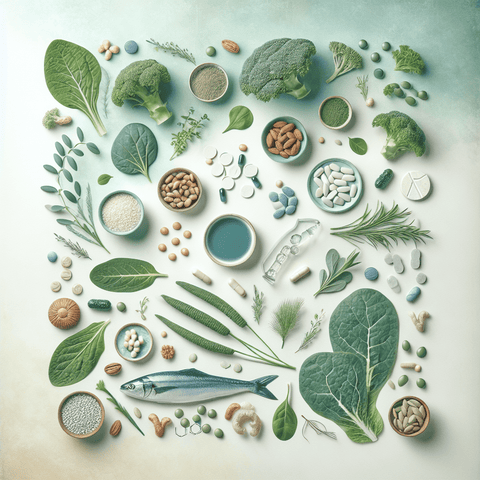
Which vitamin is good for stress? - Topvitamine
26 October 2025
Quelle vitamine contre le stress choisir ? Les vitamines du groupe B, la vitamine C et la vitamine D participent au fonctionnement normal de l’organisme, tandis que le magnésium contribue au fonctionnement du système nerveux. Une alimentation variée reste prioritaire et un complément n’est pertinent qu’en fonction des besoins, des apports et du contexte de santé. Ce guide explique les différences entre nutriments, plantes et compléments anti-stress, ainsi que les précautions à prendre.

Mood-boosting vitamins is a broad, informal term that people use when searching for nutrients and supplements that may be connected to mood. It is not a recognised medical category, and no vitamin or supplement can promise a specific emotional effect. Instead, the topic brings together several nutrients that researchers have studied for potential associations with mood-related outcomes. This page serves as a topical hub: it explains the main concepts, introduces the key nutrients, and outlines practical and safety considerations. More specific questions, such as detailed dosage discussions or comparisons between individual forms, are better suited to dedicated articles linked from this tag page.

What the Term Mood-Boosting Vitamins Covers

The phrase mood-boosting vitamins does not refer to a single nutrient or a defined supplement class. It is an umbrella expression that typically includes certain vitamins, minerals, and fatty acids that have been discussed in relation to mood. Common examples include vitamin D, B vitamins such as B12 and folate, magnesium, and omega-3 fatty acids. Some people also include herbal supplements and amino acids in this broader conversation, although the evidence and traditional uses for those categories vary widely.

Because the term is broad, it is important to interpret it carefully. Research on nutrients and mood often yields mixed results. Some studies report associations between nutrient status and mood-related outcomes, while others find no clear effects. Differences in study design, population, dosage, and duration make it difficult to draw broad conclusions. This page therefore presents balanced information that you can discuss with a healthcare professional, rather than making prescriptions or promises.

Key Nutrients Frequently Discussed for Mood Support

Several nutrients appear repeatedly in discussions about mood. The sections below introduce each one at a high level. More detailed articles on individual nutrients are available elsewhere on the site and are linked from this tag page where relevant.

Vitamin D

Vitamin D is a fat-soluble vitamin that plays a role in normal bone health, muscle function, and immune function. Some research has explored whether vitamin D status is associated with mood-related outcomes, but findings are not consistent. Vitamin D can be obtained from sunlight exposure, certain foods, and supplements. If you are considering a vitamin D supplement, it is sensible to discuss appropriate intake with a clinician, especially if you have a health condition or take medication.

B Vitamins Including B12 and Folate

The B vitamins are a group of water-soluble vitamins that support normal energy metabolism and nervous system function. Vitamin B12 and folate are the two most often mentioned in relation to mood. Some studies have looked at whether low levels of these vitamins are associated with mood-related outcomes, but results vary. B vitamins are found in a range of animal and plant foods, and they are also available in supplement form, including in multivitamins.

Magnesium

Magnesium is a mineral involved in many normal bodily functions, including muscle and nerve function. It is sometimes discussed in the context of relaxation and mood, though research on magnesium and mood-related outcomes is mixed. Dietary sources include nuts, seeds, whole grains, and leafy green vegetables. Magnesium supplements come in several forms, and each form may have different absorption characteristics and tolerability.

Omega-3 Fatty Acids (DHA and EPA)

Omega-3 fatty acids, particularly DHA and EPA, are fats found in oily fish and some plant sources. They are important for normal cell function and are sometimes studied in relation to mood. As with other nutrients in this area, evidence is not clear-cut, and individual responses may vary. Omega-3 supplements are available in different forms, and quality can vary between products.

Choosing Supplements: General Considerations

If you are considering supplements, a careful approach can help you make more informed choices. The points below are general considerations, not medical advice.

  • Choose products from reputable brands with transparent labelling.
  • Look for third-party testing where possible to support quality and purity.
  • Follow label directions and avoid exceeding recommended amounts.
  • Be mindful of potential interactions with medications, existing health conditions, and special situations such as pregnancy or breastfeeding.
  • If adverse symptoms occur, discontinue use and consult a healthcare professional promptly.

Practical Guidance for Exploring This Topic

Exploring mood-boosting vitamins and supplements is often a process of learning and observation. A structured approach can help you stay organised and make more informed decisions. Define your goals, set a reasonable trial period, and track personal responses in a structured way. Consider introducing one nutrient at a time rather than changing several products at once. Maintain consistent dosing and storage, and select products with clear ingredient lists and evidence of quality. Always discuss your plan with a clinician or pharmacist, especially if you take other medicines or have chronic health conditions.

If you are looking for related product categories, you can explore vitamin D supplements or B vitamin supplements. You can also browse magnesium supplements for related options.

Exploring Further Within This Topic

This tag page is designed to give you a broad overview. If you want more detail on specific nutrients, the individual articles associated with this tag will provide deeper information. You can also explore related categories such as omega-3 supplements or learn about general multivitamins. As always, use this information as a starting point for conversations with a qualified healthcare professional rather than as a substitute for personalised advice.