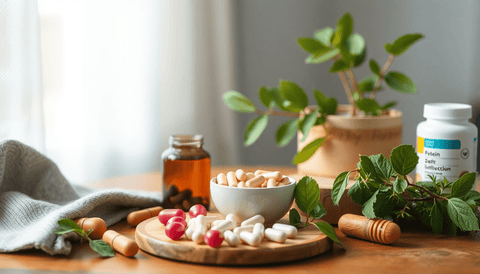
Remèdes naturels pour la ménopause : des méthodes simples et sûres pour soulager les bouffées de chaleur et retrouver votre énergie


Découvrez des remèdes naturels simples et sûrs pour la ménopause—des conseils pratiques, fondés sur la science, et des changements de mode de vie doux que vous pouvez commencer dès aujourd’hui. Cette page se concentre sur des approches pratiques que vous pouvez intégrer dans votre vie quotidienne pour soutenir votre confort pendant la ménopause, sans options pharmacologiques. En associant des idées basées sur des preuves à des habitudes quotidiennes, vous trouverez des moyens d’explorer ce qui vous convient le mieux. Les étapes pratiques portent sur votre environnement et votre routine. Maintenez des espaces plus frais lorsque c’est possible, utilisez des ventilateurs réglables et portez des couches respirantes afin de vous adapter aux sensations changeantes. Choisissez des vêtements faciles à ajouter ou à enlever selon les besoins. Établissez des horaires réguliers de sommeil et de réveil pour soutenir votre rythme quotidien, et envisagez des mouvements légers et réguliers comme de courtes promenades ou des étirements doux pour s’intégrer à votre journée. Les pratiques de pleine conscience, telles que la respiration contrôlée ou de courts moments de réflexion tranquille, peuvent être intégrées dans vos activités quotidiennes. Les stratégies douces incluent également la gestion du stress, la modulation des activités et la mise en place de routines qui correspondent à votre vie. Fixez-vous des objectifs quotidiens réalistes et prévoyez de courtes périodes de repos si nécessaire. Recherchez des connexions sociales et des routines qui favorisent un sentiment de stabilité, comme une ritualisation prévisible du matin ou du soir. En accord avec des ressources informées par la science, vous pouvez explorer comment ces approches non pharmacologiques pourraient s’aligner avec vos habitudes et préférences personnelles. À partir d’aujourd’hui, choisissez un domaine pour commencer et restez simple. Par exemple, créez un petit espace frais dans votre lieu de vie, ou établissez un plan sur 7 jours avec une nouvelle habitude chaque jour. Notez ce que vous essayez et comment cela vous fait sentir, puis ajustez en fonction de votre situation. Si les symptômes persistent ou si vous avez des préoccupations, envisagez de consulter un professionnel de santé qui pourra adapter ces approches à votre situation. C’est une voie pratique pour gérer la ménopause naturelle, axée sur le confort, l’équilibre et des changements progressifs et personnalisés.


Black Cohosh vs Evening Primrose Oil for Menopause (2026) - Topvitamine
01 September 2026
L'huile d'onagre et l'actée à grappes noires sont des remèdes naturels populaires contre la ménopause, mais les preuves cliniques pour chacune diffèrent. Dans un essai randomisé en comparaison directe, l'actée à grappes noires a davantage réduit la fréquence des bouffées de chaleur que l'huile d'onagre, tandis que les deux ont atténué la sévérité des symptômes et amélioré la qualité de vie. Ce guide compare leurs mécanismes d'action, leur efficacité, leur sécurité et leur utilisation pratique, et inclut des réponses aux questions courantes sur leur association.
Menopause Supplements: Natural Remedies to Ease Menopause Symptoms - Topvitamine
30 June 2025
Les compléments alimentaires pour la ménopause ne se valent pas et aucun produit ne convient à toutes les femmes. Ce guide présente les plantes souvent utilisées pour les bouffées de chaleur, ainsi que le rôle de la vitamine D, du calcium et du magnésium. Découvrez comment comparer une formule, éviter les doublons et demander un avis professionnel lorsque vos traitements ou votre état de santé le nécessitent.

Menopause is a significant life transition that brings a range of physical and emotional changes. For many women, this period sparks an interest in natural remedies to manage symptoms and support overall well-being. This guide provides a broad overview of natural menopause remedies, from lifestyle adjustments to herbal and nutritional support, and helps you understand the options available as you navigate this phase. We'll explore the most common approaches, what to consider when trying them, and how to make informed choices for your individual health journey.

What Are Natural Menopause Remedies?

Natural menopause remedies are a broad category of non-pharmacological approaches used to ease the symptoms associated with the menopausal transition. These can include specific lifestyle habits, complementary therapies, and dietary supplements. Unlike Hormone Replacement Therapy (HRT), which uses synthetic or bio-identical hormones, these strategies aim to support the body's natural processes and manage symptoms through other means.

The primary focus is often on alleviating vasomotor symptoms like hot flashes and night sweats, as well as addressing sleep disturbances, mood changes, and the general fatigue that can accompany this time. It's a field with a wide range of options, and what works effectively for one person may not work for another, making a personalized approach essential.

Exploring Major Categories of Natural Remedies

Natural remedies for menopause can be broadly grouped into a few key categories, each with its own focus and approach. Understanding these can help you identify which areas you might want to explore further.

Herbal Supplements

This is one of the most commonly discussed categories. Certain herbs have been traditionally used to support women during menopause. Key ones include:

  • Black Cohosh: Often researched for its potential effect on hot flashes and mood, though clinical evidence is mixed.
  • Evening Primrose Oil: Rich in gamma-linolenic acid (GLA), it's sometimes used for breast pain and overall well-being, but evidence for hot flash relief is limited.
  • Red Clover: Contains phytoestrogens, plant compounds that may mimic estrogen weakly in the body, which is why some women try it for menopausal symptoms.
  • Ginseng: Primarily studied for its effects on mood, sleep, and overall quality of life during menopause, rather than for reducing hot flashes directly.
  • St. John's Wort: While not specifically for hot flashes, some research suggests it might help with mood-related symptoms that can accompany menopause.

If you are considering herbal supplements, you can also explore our range of herbal supplements and traditional guides for more general information on quality and sourcing.

Nutritional Strategies

Diet plays a critical role in managing menopausal symptoms. A whole-food approach focuses on foods that provide the nutrients your body needs during this transition.

Key nutritional strategies include:

  • Increasing Phytoestrogens: These plant compounds are found in foods like soy products (tofu, tempeh), flaxseed, and legumes. They are thought to have a weak estrogenic effect that might help balance hormones.
  • Focusing on Calcium and Vitamin D: Declining estrogen levels can impact bone health. Ensuring adequate intake of calcium from dairy, leafy greens, or fortified foods, along with vitamin D from sunlight, fatty fish, or supplements, is a key consideration.
  • Prioritizing Whole Grains and Fiber: A diet rich in fiber from whole grains, fruits, and vegetables can support digestive health and help manage weight, which can be a challenge during menopause.
  • Considering Omega-3 Fatty Acids: Found in fish like salmon and in flaxseed and walnuts, these may help support mood and general well-being.

To support your nutritional needs, you might find our guides on calcium and bone health or DHA and EPA omega-3 supplements helpful as you plan your approach.

Lifestyle and Mind-Body Practices

Addressing menopause symptoms often involves more than just diet and supplements. How you manage your daily life can have a significant impact on your comfort.

Key lifestyle factors to consider:

  • Temperature Management: Dressing in breathable layers, using fans, and keeping your living spaces cooler can help you manage hot flashes and night sweats proactively.
  • Stress Reduction: High stress can trigger or worsen symptoms. Techniques like deep breathing, mindfulness, and gentle yoga can help regulate your body's stress response.
  • Regular Movement: Regular physical activity, such as brisk walking, swimming, or cycling, can boost energy, improve mood, and support healthy sleep patterns.
  • Prioritizing Sleep: Establishing a regular sleep schedule and a calming bedtime routine can help minimize sleep disturbances, which are common during menopause.

Natural Remedies vs. Hormone Replacement Therapy (HRT)

When considering how to manage menopause symptoms, women often weigh the options of natural remedies against medical treatments like Hormone Replacement Therapy. HRT involves taking medication to replace the hormones (estrogen and progestin) that the body stops producing. It is highly effective for managing hot flashes and preventing bone loss but is not suitable for everyone, as it carries certain risks that your doctor will discuss with you.

Natural remedies, on the other hand, are generally considered lower risk but are also often less predictable in their effectiveness. The choice is highly personal. Some women prefer to start with lifestyle changes and natural supplements, while others may choose HRT right away. Many find a combined approach helpful. It's essential to have an informed conversation with a healthcare professional to discuss your specific symptoms, health history, and personal preferences to determine the most appropriate strategy for you.

How to Balance Hormones Naturally

A central concern for many is finding ways to support hormonal balance as their body transitions. While you can't stop the natural decline of estrogen, you can adopt habits that support your endocrine system and overall metabolic health.

A few foundational steps include:

  • Maintaining a Stable Blood Sugar: Eating regular meals that combine protein, healthy fats, and fiber can prevent blood sugar spikes and crashes that can exacerbate mood swings and fatigue.
  • Supporting Your Adrenal Glands: Your adrenal glands produce hormones that can become strained under chronic stress. Managing stress is therefore a key part of supporting overall hormonal health.
  • Ensuring Adequate Nutrient Intake: Certain nutrients are particularly important for hormone production and regulation. This is where a high-quality multivitamin can be considered to fill any gaps in your diet.

Where to Start: Creating Your Own Plan

Given the sheer number of possibilities, navigating the world of natural menopause remedies can feel overwhelming. A good approach is to start small and be methodical. Begin by identifying your most bothersome symptoms—is it sleep disruption, hot flashes, or mood?—and choose one or two strategies that target that specific issue.

For example, you might start by tweaking your sleeping environment to be cooler and trying a 10-minute mindful breathing exercise before bed. Or you could focus on adding more phytoestrogen-rich foods like ground flaxseed to your breakfast. If you decide to try a supplement, introduce it one at a time and keep a simple journal to track its effects over several weeks. This allows you to assess its value without confusion. If you have any concerns or persistent symptoms, discussing your plan with a healthcare provider is always a prudent step to ensure it aligns with your specific health needs.