Aliments végétaux riches en oméga-3 naturels : Découvrez les meilleures sources végétales pour la santé du cœur


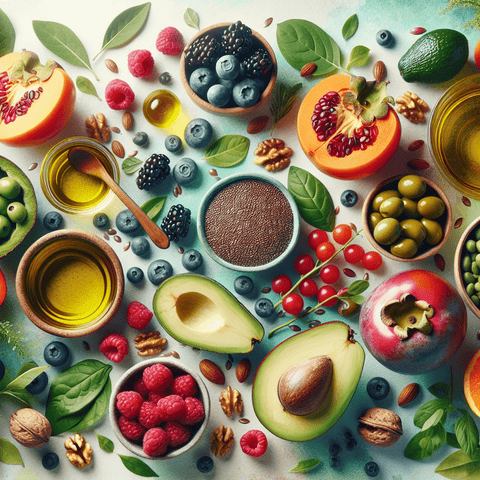
Les aliments végétaux naturellement riches en oméga-3 offrent une voie végétale pour diversifier vos aliments de base. Ici, nous explorons les meilleures sources végétales — lin, chia, noix, et algues — et comment les intégrer dans votre routine quotidienne. Les aliments végétaux riches en oméga-3 issus du lin et du chia se présentent sous forme de graines, tandis que les noix sont une option à grignoter, et les algues apparaissent sous différentes formes. Chaque source apporte sa texture et sa saveur, ce qui facilite leur incorporation dans les repas ou les collations. Idées quotidiennes : incorporer de la farine de lin dans vos flocons d’avoine ou votre yaourt le matin ; mixer des graines de chia dans des smoothies ou préparer un pudding de chia ; garnir salades ou soupes avec des noix hachées ; essayer des toppings, assaisonnements ou snacks à base d’algues pour varier les plaisirs. Que vous soyez novice en matière d’aliments végétaux riches en oméga-3 ou que vous souhaitiez élargir votre routine, ce guide se concentre sur des moyens pratiques de les intégrer quotidiennement et de découvrir les meilleures sources végétales pour vos repas.


What fruit is very high in omega-3? - Topvitamine
17 October 2025
Aucun fruit courant n’est une source importante d’oméga-3. L’avocat et certains fruits contenant des graines en apportent de petites quantités, principalement sous forme d’ALA, mais les graines de lin, de chia et les noix sont bien plus concentrées. Cet article explique la différence entre ALA, EPA et DHA, répond aux questions sur les œufs et les sources sans poisson, et présente l’huile de microalgues comme option végétale.

Natural omega-3 plant foods provide a valuable way to include essential fatty acids in your diet, especially for those following a plant-based or vegetarian lifestyle. This page serves as a comprehensive hub for understanding the different types of omega-3s, the best plant-based sources, and practical considerations for making them a regular part of your routine.

What Are Omega-3 Fatty Acids?

Omega-3 fatty acids are a family of polyunsaturated fats that are important for various bodily functions. The three main types are ALA, EPA, and DHA. ALA is primarily found in plant sources like flaxseeds and chia seeds. EPA and DHA, which are often associated with fish and marine oils, play different roles in the body, particularly regarding heart and brain health. While plants can provide ALA, the body's process for converting it into EPA and DHA is limited. This is a key factor when considering how to meet your omega-3 needs through a plant-based diet.

The Three Main Types: ALA, EPA, and DHA

Understanding the differences between these fatty acids is crucial for making informed dietary choices:

  • ALA (Alpha-Linolenic Acid): This is the most common omega-3 in the plant world. Rich sources include flaxseeds, chia seeds, and walnuts.
  • EPA (Eicosapentaenoic Acid): Found in marine sources and algae. The body can convert some ALA into EPA, though the process is inefficient.
  • DHA (Docosahexaenoic Acid): Also found in marine sources and algae. DHA is particularly important for brain function, and similar to EPA, its direct plant sources are limited.

A Look at the Best Plant-Based Sources

Among the many plants that offer omega-3s, a few stand out as the most practical and concentrated sources. These foods can be easily incorporated into various meals and snacks.

Seeds, Nuts, and Beyond

  • Flaxseeds: Often consumed ground to improve nutrient absorption, they can be stirred into oats, yogurt, or baked goods.
  • Chia Seeds: These seeds easily absorb liquid, making them ideal for puddings, smoothies, or as an egg substitute in recipes.
  • Walnuts: A convenient and snackable source, they can be added to salads, or simply eaten by the handful.
  • Algae: This is a unique plant source because it can contain EPA and DHA directly. It is often available as oil or in supplement form.

Comparing Omega-3 Content in Plant Foods

To help you diversify your intake, it can be useful to compare the general omega-3 levels found in common plant foods.

  • Flaxseeds: A concentrated source of ALA, often highlighted for their versatility in a plant-based diet.
  • Chia Seeds: Similar to flaxseeds, they are an excellent source of ALA and offer a unique texture.
  • Walnuts: Provide a moderate amount of ALA, making them a practical and tasty option for daily intake.
  • Algae: A key non-fish source of pre-formed EPA and DHA, which can be important for those who do not consume marine oils.

Ways to Incorporate Them into Your Diet

Adding natural omega-3 plant foods to your daily meals does not have to be complicated. With a little creativity, you can easily improve your intake.

  • Stir ground flaxseeds into your morning oatmeal or yogurt for a simple nutritional boost.
  • Blend chia seeds into your favorite smoothie to add thickness and nourishment.
  • Top salads, soups, or yogurt with a handful of chopped walnuts for added crunch.
  • Explore algae-based toppings, seasonings, or snacks to introduce variety and potentially provide a direct source of EPA and DHA.

Considering Supplements and Further Exploration

While food sources are an excellent foundation, some may consider supplements to help meet their omega-3 needs. It is important to research any supplement and consult a healthcare provider before starting a new regimen. For a deeper look at omega-3 fatty acids, including DHA and EPA, you may find our DHA and EPA omega-3 supplements collection to be a helpful resource.

The world of fatty acids is broad. For a general perspective on fats and other nutrients, exploring our superfoods guide can provide further context on how omega-3s fit into a healthy diet.

Frequently Asked Questions

Here are some common questions that explore the specifics of omega-3s in a plant-based context.

What plant has all four omegas?

It is uncommon for a single plant to contain all four main types of omega fats (ALA, EPA, DHA, and the fourth, LA or linoleic acid which is an omega-6). Flaxseed, chia seeds, and walnuts are rich in ALA, while algae is a key source of EPA and DHA. A combination of these foods is the best way to achieve a broad spectrum of fatty acids.

Are 2 eggs enough omega-3?

Eggs can contribute to your omega-3 intake, especially if they come from hens fed a diet rich in omega-3s. However, they are not a primary plant source, and their amount is relatively small. Two eggs are unlikely to meet your entire daily requirement, and it is better to think of them as one part of a varied diet that includes plant sources like flax or chia.

Which plant is rich in omega-3?

Flaxseeds and chia seeds are among the richest plant-based sources of ALA omega-3. Walnuts are also a very good source. Algae is unique as it provides EPA and DHA, making it a standout option for plant-based omega-3s.

What food is highest in omega-3?

In the plant kingdom, flaxseeds and chia seeds generally have the highest concentration of ALA omega-3 per serving. If we consider all categories, fatty fish like salmon are known to be very high in EPA and DHA. For plant-based options, algae-derived supplements offer a high dose of EPA and DHA.