
Découvrir des aliments riches en vitamine C naturelle et comment ils peuvent s'intégrer dans la cuisine quotidienne. Cette page met en avant l'idée d'aliments riches en vitamine C naturelle et propose des idées simples et rapides pour les incorporer au petit-déjeuner, déjeuner, dîner et en-cas. Vous trouverez des conseils pratiques pour intégrer facilement des aliments riches en vitamine C naturelle dans chaque repas sans complication. Les aliments riches en vitamine C naturelle couvrent une large gamme de produits. Les catégories courantes incluent les agrumes, les baies, le kiwi, les poivrons, ainsi que certains légumes verts. Ces exemples illustrent comment ces aliments apparaissent sous différentes couleurs, textures et saveurs, offrant ainsi une grande variété pour les repas. Idées rapides et savoureuses pour ajouter des aliments riches en vitamine C naturelle à chaque repas : Petit-déjeuner — garnissez votre yaourt ou votre céréale avec des segments d'agrumes ou des baies ; mixez du kiwi dans un smoothie ; Déjeuner — incorporez des tranches de poivron dans un bol de céréales ou une salade ; Dîner — faites revenir du brocoli avec de l'ail et du zeste de citron ; En-cas — savourez un petit bol de baies ; Hydratation — ajoutez une cuillère de jus de citron dans de l'eau. Explorer cette catégorie permet d'élargir vos idées de repas et d'ajouter de la couleur à vos plats. Adoptez les aliments riches en vitamine C naturelle comme un composant polyvalent à tous les repas et en toutes saisons.
Découvrir la vitamine C naturelle : les aliments riches en vitamine C
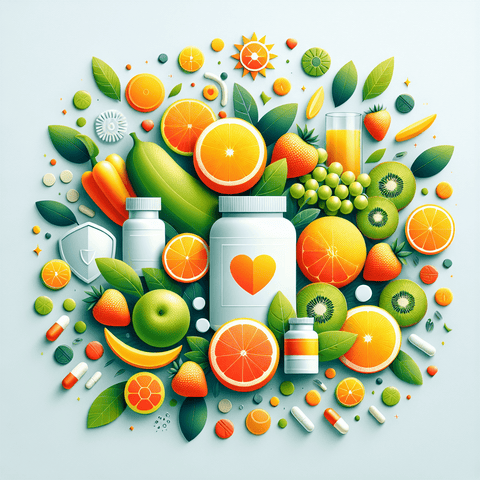
Natural vitamin C rich foods are whole, minimally processed foods that contain vitamin C as part of their natural composition. Vitamin C is a water-soluble vitamin that the body cannot make on its own, so it must be consumed regularly through the diet. It plays a role in normal collagen formation, antioxidant protection, and the normal functioning of the immune system.
Many people are interested in natural vitamin C rich foods because they want to meet their nutrient needs through everyday meals rather than relying only on supplements. This page provides a broad overview of the main food groups that contribute vitamin C, how much they typically provide, and practical ways to include them in daily eating patterns.
Why Vitamin C Matters and How Much Is Needed
Vitamin C is involved in several normal physiological functions. It contributes to normal collagen formation for the normal function of skin, bones, cartilage, gums, and blood vessels. It also supports normal energy-yielding metabolism and the normal function of the immune system. As an antioxidant, it helps protect cells from oxidative stress.
Daily requirements vary by age, sex, life stage, and individual circumstances. In many countries, general adult recommendations are in the range of 75–90 mg per day, with higher intakes suggested for smokers or during pregnancy and breastfeeding. These figures are intended as general guidance and are not personalized medical advice. A qualified health professional can help determine individual needs.
Because vitamin C is water-soluble and not stored in large amounts in the body, regular intake is generally more useful than occasional large doses. This is one reason why including natural vitamin C rich foods across meals and snacks can be a practical approach.
Main Categories of Natural Vitamin C Rich Foods
Vitamin C is found in a wide variety of plant foods, and the richest sources are not limited to citrus fruits. The following categories represent the main groups commonly discussed when people look for natural vitamin C rich foods.
Citrus Fruits
Oranges, grapefruit, lemons, limes, and tangerines are well-known sources of vitamin C. A medium orange typically provides around 50–70 mg, while grapefruit and lemons also contribute meaningful amounts. Citrus fruits are versatile and can be eaten fresh, juiced, or added to both sweet and savory dishes.
Berries
Strawberries, raspberries, blueberries, and blackcurrants are popular berries that provide vitamin C. Strawberries, in particular, are often highlighted as a relatively rich source, with about 50–60 mg per 100 g. Berries can be added to yogurt, oatmeal, smoothies, or eaten on their own as a snack.
Kiwifruit and Other Tropical Fruits
Kiwifruit is often cited as a notable source, with one medium fruit providing roughly 60–70 mg of vitamin C. Other tropical fruits such as guava, papaya, and mango also contribute vitamin C, though amounts vary. Guava is sometimes mentioned as one of the higher-vitamin C fruits, with some varieties providing more than 200 mg per 100 g.
Bell Peppers
Bell peppers, especially red and yellow varieties, are among the richest vegetable sources of vitamin C. A medium red bell pepper can provide more than 150 mg. They can be eaten raw in salads, sliced into dips, or cooked in stir-fries and other dishes.
Broccoli and Cruciferous Vegetables
Broccoli, Brussels sprouts, and cauliflower are cruciferous vegetables that contain vitamin C. Broccoli typically provides around 80–90 mg per 100 g when raw, though cooking can reduce the content. These vegetables can be steamed, roasted, or stir-fried and added to a variety of meals.
Leafy Greens and Other Vegetables
Leafy greens such as spinach, kale, and Swiss chard contribute vitamin C, as do vegetables like tomatoes and potatoes. While not as concentrated as peppers or broccoli, these foods can still add to daily intake, especially when eaten regularly.
Comparing Vitamin C Content: A High-Level Overview
The exact vitamin C content of foods can vary based on variety, ripeness, growing conditions, storage, and preparation. The following list provides a general idea of typical amounts per 100 g or per common serving. These figures are approximate and intended for general education, not as precise nutritional advice.
- Red bell pepper: often 150–200 mg per 100 g
- Guava: often 200 mg or more per 100 g
- Kiwifruit: about 60–70 mg per medium fruit
- Orange: about 50–70 mg per medium fruit
- Strawberries: about 50–60 mg per 100 g
- Broccoli (raw): about 80–90 mg per 100 g
- Tomato: about 15–20 mg per 100 g
These values show that a relatively small amount of certain foods, such as bell peppers or guava, can provide a substantial portion of daily vitamin C. However, variety and regular inclusion are generally more important than focusing on a single food.
How to Get 1000 mg of Vitamin C Naturally
Some people aim for higher vitamin C intakes, such as 1000 mg per day, through food. While this is above typical general recommendations, it is possible to reach higher amounts by combining several natural vitamin C rich foods throughout the day. For example, a meal containing a red bell pepper, a kiwi, and a bowl of strawberries could provide well over 300 mg. Adding citrus, broccoli, and other vegetables across other meals can further increase intake.
It is important to note that individual needs vary, and high intakes from supplements may not be appropriate for everyone. Food-based approaches are generally considered safe for most healthy people, but anyone considering significant dietary changes or high-dose supplements should consult a qualified health professional.
Practical Tips for Including These Foods in Everyday Meals
Incorporating natural vitamin C rich foods does not require a complete diet overhaul. Small, consistent additions can make a difference over time.
- Breakfast: top yogurt, oatmeal, or cereal with citrus segments, berries, or sliced kiwi.
- Lunch: add sliced bell peppers to salads, wraps, or grain bowls.
- Dinner: include broccoli, spinach, or other greens in stir-fries, soups, or pasta dishes.
- Snacks: enjoy a small bowl of berries or a piece of fruit.
- Hydration: add a squeeze of lemon or lime to water for flavor and a small amount of vitamin C.
Because vitamin C can be reduced by heat, light, and prolonged storage, fresh and minimally processed foods may retain more of the nutrient. However, cooked foods still contribute vitamin C and can be part of a balanced diet.
Factors That Affect Vitamin C Content in Foods
The amount of vitamin C in a food can vary for several reasons. Variety, ripeness at harvest, growing conditions, and time since harvest all play a role. Storage conditions matter as well: longer storage and exposure to light and air can reduce vitamin C levels. Cooking methods also influence retention. Boiling can leach vitamin C into water, while steaming or microwaving may preserve more. Eating some foods raw, when appropriate, can help maintain their vitamin C content.
Natural Foods vs. Supplements: A Brief Comparison
Natural vitamin C rich foods provide not only vitamin C but also other nutrients, fiber, and beneficial plant compounds. This makes them a valuable part of a balanced diet. Supplements can be useful in certain situations, such as when dietary intake is insufficient or when a health professional recommends them. However, supplements should not be seen as a replacement for a varied diet. If you are considering vitamin C supplements, you can explore our vitamin C benefits, immunity, antioxidant and energy collection for related options. For broader nutritional support, you may also look at our natural supplements category.
Safety and General Considerations
For most healthy people, obtaining vitamin C from foods is considered safe and well-tolerated. Very high intakes from supplements may cause digestive discomfort in some individuals. People with certain medical conditions, those taking specific medications, or those with individual dietary needs should seek personalized advice from a qualified healthcare provider before making significant changes. This page is for general informational purposes and is not a substitute for professional medical or nutritional advice.
Exploring Further
This tag page provides a broad overview of natural vitamin C rich foods, their main categories, typical amounts, and practical ways to include them in daily meals. More specific topics, such as detailed comparisons of individual foods, recipes, or in-depth discussions of vitamin C and specific health conditions, may be covered in related blog articles linked from this page. For additional context on antioxidant nutrients, you can explore our antioxidants collection.