
Déverrouillez la vitamine D naturelle avec une approche claire et pratique. Cette page explore comment la lumière du jour, les routines quotidiennes et les choix réfléchis peuvent se croiser pour soutenir la vitamine D naturelle dans la vie de tous les jours. Vous trouverez des conseils pratiques sur une exposition sécuritaire au soleil, des considérations générales autour des sources de vitamine D et comment envisager intelligemment les compléments comme partie d’un plan équilibré. L’accent est mis sur des étapes accessibles que vous pouvez adapter à votre environnement et à votre emploi du temps, en se concentrant sur des informations fiables et votre contexte personnel. Exposition sécuritaire au soleil : un élément simple et adaptable dans le cadre de la vitamine D naturelle. Prévoyez de courtes périodes à l’extérieur à différents moments de la journée, écoutez votre type de peau et les conditions locales, et ajustez en fonction de la saison. Lorsque vous êtes dehors, equilibrez votre ouverture au soleil avec des mesures de protection et des horaires raisonnables afin que la routine s’adapte à votre journée. L’objectif est d’intégrer le temps en plein air dans votre rythme habituel de façon gérable et sûre. Sources et routines : ancrez votre démarche dans des sources crédibles telles que des guides, des revues et des commentaires d’experts. Créez une routine simple qui planifie quand et comment vous exposez au soleil, en tenant compte des considérations plus larges concernant les sources de vitamine D, et comment suivre votre plan sur plusieurs semaines ou mois. Une boucle de révision — planifier, suivre, ajuster — permet de garder votre approche de la vitamine D naturelle en accord avec votre contexte personnel. Compléments intelligents : si vous envisagez des compléments, considérez-les comme une partie d’une stratégie globale pour la vitamine D naturelle. Recherchez des étiquettes transparentes et des conseils clairs, et discutez de leur utilisation avec un professionnel de santé. Notez votre expérience et consultez un clinicien ou un professionnel de la nutrition lorsque votre routine évolue. L’objectif reste de faire des choix éclairés et équilibrés, respectueux de vos circonstances individuelles.
Vitamin D Naturel : Découvrez comment l'obtenir du soleil, de la nourriture et des compléments sûrs
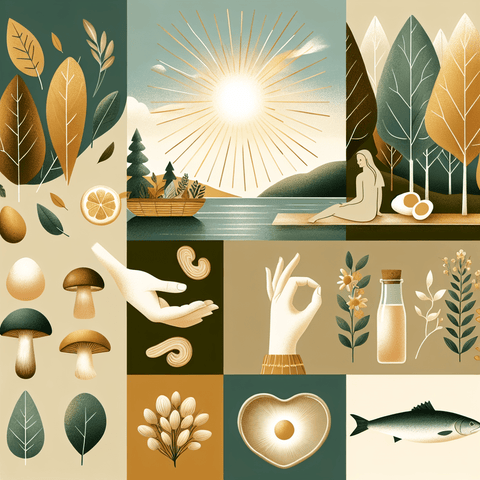
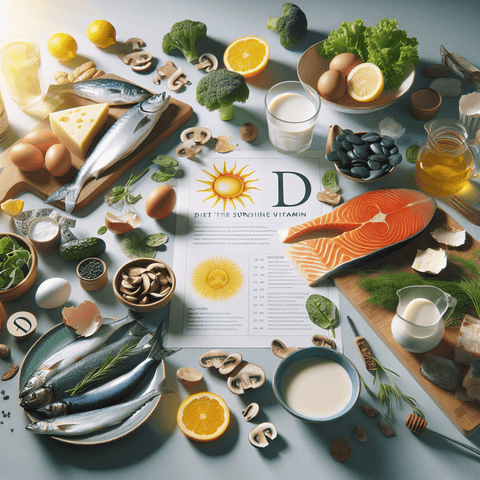
Natural vitamin D describes the vitamin D your body receives through natural routes — chiefly sunlight on the skin and vitamin D–containing foods — rather than relying on supplements alone. Because sun exposure varies with season, latitude and lifestyle, and because relatively few foods naturally provide vitamin D, many people want a clear overview of how these sources work together. This page explains what natural vitamin D means, where it comes from, how the different forms compare, and what to consider when supplements enter the picture. The articles listed under this tag explore individual questions in more detail.
What Does Natural Vitamin D Mean?
The term covers vitamin D obtained through the body's own pathways and everyday sources. When skin is exposed to ultraviolet B (UVB) light from sunlight, it produces vitamin D3 (cholecalciferol). Diet adds a second route: vitamin D3 occurs naturally in animal-derived foods, while vitamin D2 (ergocalciferol) is found in certain mushrooms and other non-animal sources. Both forms are collectively referred to as vitamin D.
Because natural vitamin D depends on sunlight and food, intake can differ widely between people and across the year. Factors such as where you live, the season, time spent outdoors, skin tone, age and dietary habits all shape how much vitamin D a person obtains naturally. This variability is the main reason the topic attracts so much practical interest.
Natural Sources of Vitamin D: Sunlight and Food
Sensible Sun Exposure
The skin can produce vitamin D when it is exposed to UVB light, which is why time outdoors is often described as the primary natural source. How much vitamin D is produced depends on several variables: the time of day, the season, latitude, cloud cover, skin tone, age and how much skin is exposed. In higher-latitude regions, sunlight may be too weak for the skin to produce much vitamin D during parts of the year.
Sun habits should always be balanced with established skin-protection guidance. Short, regular periods outdoors — rather than long, intense exposure — are generally the more manageable approach, and sunburn should always be avoided. Local health authorities provide region-specific advice on balancing vitamin D production with skin safety.
Vitamin D–Rich Foods
Relatively few foods naturally contain useful amounts of vitamin D. The most commonly cited natural sources include:
- Oily fish such as salmon, sardines, mackerel and herring
- Egg yolks
- Certain mushrooms, especially those exposed to ultraviolet light (a source of vitamin D2)
- Fish liver oils, traditionally used as a vitamin D source
Beyond these, many everyday foods are fortified with vitamin D, meaning the vitamin is added during production. Fortification varies by country and brand, but commonly includes milk, plant-based drinks, some yoghurts, margarine, breakfast cereals and fruit juices. Checking labels is the most reliable way to see what a particular product contains.
As for drinks specifically: very few beverages naturally contain vitamin D. The drinks most often associated with vitamin D are fortified ones — cow's milk, many plant-based drinks such as soy or oat drinks, and some orange juices — though fortification levels differ between products and regions.
How to Support Vitamin D Naturally
For most people, a natural approach combines three elements: sensible, regular time outdoors; meals built around foods that provide or are fortified with vitamin D; and adjustments for the darker months or indoor lifestyles, when sunlight contributes less. None of these requires dramatic change — consistency tends to matter more than intensity.
It is also worth remembering that individual circumstances differ. Someone with limited sun exposure, higher latitude, darker skin tone or dietary restrictions may obtain vitamin D differently from someone else. Anyone who is specifically concerned about their vitamin D levels can discuss assessment and personal guidance with a healthcare professional.
Vitamin D2 and D3: Understanding the Forms
Vitamin D comes in two main forms. Vitamin D3 (cholecalciferol) is the form the skin produces and the form found naturally in animal-derived foods. Vitamin D2 (ergocalciferol) occurs in certain mushrooms, yeasts and other non-animal sources. Both contribute to vitamin D intake, and both are used in supplements and food fortification.
When it comes to which form is "best", the honest answer is that it depends on context. D3 is the more common choice in supplements — often derived from lanolin (wool grease), with vegan options typically sourced from lichen — while D2 is frequently chosen in plant-based products. Differences between the two forms are often discussed, and suitability can depend on dietary preferences, availability and personal circumstances. A healthcare professional or pharmacist can help you weigh the options.
Where Supplements Fit In
Supplements are one part of a broader natural vitamin D strategy rather than a replacement for it. They can be useful when sunlight and diet alone are unlikely to be enough — for example during winter in northern regions, for people who spend most of their time indoors, or for those with restricted diets. If you choose to supplement, a few general considerations apply:
- Look for transparent labeling that clearly states the form (D2 or D3) and the amount per serving.
- Choose a format that fits your routine — drops, capsules, tablets and sprays all exist.
- Vitamin D is fat-soluble, so many people take it alongside a meal that contains some fat.
- Stay within recommended intakes and avoid assuming that more is better.
- Discuss supplement use with a healthcare professional, especially if you take medication or are pregnant or breastfeeding.
For browsing, our vitamin D collection gathers dedicated vitamin D products, while vitamin D is also included in many multivitamins for those who prefer a broader, all-in-one approach.
Safety and Practical Considerations
Two themes run through any discussion of natural vitamin D. First, sun safety: vitamin D production and skin protection need to be balanced, and sunburn should never be treated as a worthwhile trade-off. Second, moderation with supplements: intake above recommended levels is not automatically more helpful, and high-dose products should only be used with professional guidance.
Medication is a further consideration. Vitamin D can interact with certain prescription medicines, and specific questions — for example about combining vitamin D with a particular drug — are best put to a doctor or pharmacist who can account for the full picture. General educational information, including everything on this page, is not a substitute for personalized medical advice.
Natural Vitamin D: Common Questions
How can I raise my vitamin D levels naturally?
Through a combination of sensible sun exposure, regular inclusion of vitamin D–rich or fortified foods, and awareness of the seasons. If you suspect your levels are low, a healthcare professional can assess them and advise on next steps.
What is the best natural form of vitamin D?
Both D3 and D2 contribute to intake: D3 is produced by the skin and found in animal foods, while D2 comes from certain mushrooms and yeasts. The most suitable form depends on your diet, preferences and circumstances — a professional can help you choose.
What drink is high in vitamin D?
Few drinks naturally contain vitamin D. Fortified cow's milk, many plant-based drinks and some fortified juices are the most common examples — check the label, since fortification varies by product and region.
Can vitamin D interact with medications?
Vitamin D can interact with some prescription medicines. If you take any medication, check with your doctor or pharmacist before adding a supplement, so they can assess your specific situation.
Exploring Natural Vitamin D Further
The pages listed under this tag go deeper into individual questions — from specific food choices to seasonal routines and supplement comparisons. If you would like to browse beyond a single nutrient, our natural supplements range offers a wider view of the products available.