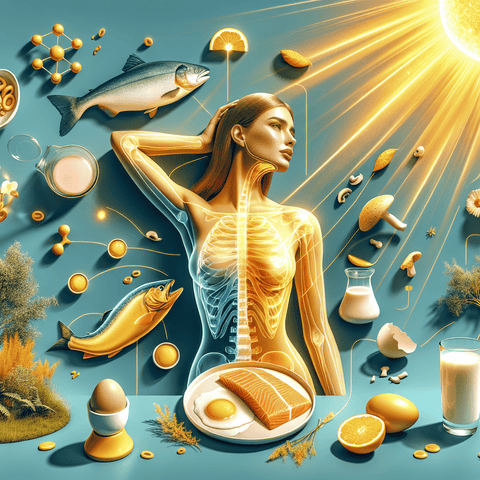
Obtenez naturellement de la vitamine D : alimentation, exposition au soleil et conseils pour la consommation quotidienne


L'apport naturel en vitamine D peut être abordé avec un cadre simple et pratique qui combine des considérations alimentaires, une exposition sûre au soleil et des routines quotidiennes. Cette page présente une méthode simple pour réfléchir aux sources, aux quantités et aux actions que vous pouvez entreprendre dès aujourd'hui, le tout en se centrant sur l'élaboration d’un plan adapté à votre vie quotidienne. En maintenant l’accent sur l’apport naturel en vitamine D, vous verrez comment encadrer vos choix de manière équilibrée et non prescriptive. Comprendre les sources et les quantités sans se fixer à des aliments ou des affirmations spécifiques peut être utile. Considérez deux grandes catégories : les options alimentaires pouvant être intégrées dans les repas ordinaires et les opportunités de passer du temps à l’extérieur de manière surveillée et sécurisée. Pour chaque catégorie, fixez-vous une plage cible flexible plutôt qu’un chiffre précis, et suivez ce que vous essayez au cours d’une semaine. Commencez par un petit changement, comme ajouter une nouvelle habitude à votre routine quotidienne, et ajustez en fonction de ce qui vous semble pratique. Une exposition sûre au soleil est un élément important de l’apport naturel en vitamine D. Planifiez votre temps à l’extérieur durant les périodes de la journée où l’exposition est généralement modérée, utilisez des mesures protectrices si nécessaire, et écoutez les signaux de votre peau. Gardez la sécurité à l’esprit, évitez les heures de pic d’intensité solaire, et augmentez progressivement votre exposition si vous choisissez de le faire. L’objectif est d’aborder l’exposition au soleil de manière mesurée, en accord avec votre confort personnel et les recommandations locales. Les stratégies d’apport quotidien peuvent aider à transformer votre plan en actions concrètes. Élaborez une routine simple que vous pouvez répéter, comme associer une vérification à une autre habitude quotidienne et noter ce qui vous semble réalisable. Utilisez un journal court et régulier pour réfléchir à ce que vous avez essayé et à ce que vous pourriez modifier ensuite. Avec le temps, vous pourrez affiner cette approche pour l’adapter à vos préférences, aux saisons et à votre emploi du temps, en maintenant le focus sur l’apport naturel en vitamine D.


How can I quickly replenish vitamin D? - Topvitamine
28 October 2025
Pour reconstituer rapidement la vitamine D, il faut d’abord confirmer une insuffisance par un avis médical et, si nécessaire, un dosage sanguin. La vitamine D3, prise avec un repas contenant des matières grasses, est une option courante, tandis que les aliments enrichis et une exposition solaire prudente peuvent compléter les apports. Les fortes doses, les traitements comme le diltiazem ou l’atorvastatine et les maladies chroniques nécessitent un conseil professionnel.
Is 2 eggs a day enough vitamin D? - Topvitamine
15 October 2025
Deux œufs par jour apportent un peu de vitamine D, principalement grâce aux jaunes, mais cette quantité reste généralement insuffisante pour couvrir les besoins quotidiens d’un adulte. La teneur varie selon les œufs et l’alimentation des poules. Découvrez le rôle de la vitamine D dans l’absorption du calcium, les principales sources alimentaires, les compléments et les précautions en cas de traitement médical.

Navigating natural vitamin D intake involves more than just a single food or a quick trip outdoors. It's a multifaceted topic that integrates dietary habits, lifestyle routines, and informed sun exposure. This guide provides a broad overview of the key areas to consider, helping you create a balanced approach that fits your everyday life. We will explore the main sources, practical strategies, and how to think about your intake in a safe and sustainable way.

Understanding Vitamin D and Your Body

Vitamin D is a fat-soluble vitamin that is unique because your body can produce it when your skin is exposed to sunlight. It's not just a single substance but a collective term for several compounds, with the two most important forms for humans being vitamin D2 (ergocalciferol) and vitamin D3 (cholecalciferol). Vitamin D3 is primarily produced in the skin upon sun exposure and is also found in animal-based foods, while Vitamin D2 is typically found in plant-based sources like certain mushrooms and fortified foods.

The primary role of vitamin D is often described in terms of bone health, as it is essential for the regulation of calcium and phosphorus absorption. However, vitamin D receptors are found throughout the body, indicating its influence extends to the immune system, muscle function, and overall cell health. Because of its wide-ranging roles, maintaining an adequate level of this nutrient is a frequent topic of interest in general wellness discussions.

When discussing natural intake, it's helpful to think of it as a continuous process rather than a one-time event. Your vitamin D status reflects an ongoing balance between the amount you obtain from all sources and how your body uses it. This perspective helps frame the topic as one of lifestyle management, rather than a simple problem to be fixed.

Key Sources for Natural Vitamin D Intake

The two primary natural sources of vitamin D are the sun and certain foods. Each plays a distinct role in supporting your levels, and understanding both is fundamental to building an effective personal strategy.

Dietary Sources of Vitamin D

While few foods naturally contain vitamin D, incorporating those that do can significantly contribute to your overall intake. Broad categories to consider include:

  • Fatty fish, such as salmon, tuna, and mackerel, are among the richest natural sources.
  • Egg yolks provide a modest amount, making them a convenient addition to a balanced diet.
  • Certain mushrooms, particularly those exposed to UV light, can contain vitamin D2, offering a plant-based option.
  • Fortified foods, like cow's milk, some plant-based milks, and certain breakfast cereals, are common sources that can help fill dietary gaps.

It's useful to see these foods as components of your regular meals rather than isolated fixes. Simple meal planning—like adding salmon to a weekly dinner rotation or including an egg with breakfast—can create a foundation for steady dietary intake.

The Role of Sun Exposure

Sun exposure is a powerful and natural way to stimulate vitamin D production in your skin. The process is influenced by numerous factors, including your geographic latitude, the time of year, the time of day, your skin tone, and the amount of skin exposed. Broadly, the more skin you expose and the shorter the time needed, but this must always be balanced against the risk of sunburn and skin damage.

A sensible approach involves spending short periods outdoors during times when UV radiation is less intense, such as mid-morning or late afternoon. The goal is not to tan, but to allow for efficient vitamin D synthesis without sunburn. Always be mindful of local UV forecasts and protective measures, like seeking shade and wearing a hat, are prudent steps, especially for extended periods outdoors.

Strategies for Supporting Healthy Levels

Creating a plan for natural vitamin D intake can be straightforward if you break it down into manageable, everyday actions. Instead of aiming for a rigid or ideal number, focusing on adopting consistent habits is often more sustainable and effective.

Building a Simple Daily Routine

Consistency is more important than perfection. Here are a few simple steps you can consider integrating into your routine:

  1. Start with your plate: Make a conscious effort to include a vitamin D-rich food or fortified option in a few meals each week.
  2. Plan for outdoor time: Schedule short periods outdoors, perhaps pairing them with a daily walk or a lunch break outside, being mindful of sun safety.
  3. Track and reflect: Keep a simple note or mental log of what you are trying each week. Reflecting on what worked and what didn't can help you adjust your plan to better fit your lifestyle, seasons, and preferences.

It can also be helpful to pair your vitamin D habit with another established routine. For example, take a short walk after lunch or listen to a podcast while preparing a meal with vitamin D-rich ingredients. These small connections make the habit feel less like an additional task and more like a natural part of your day.

The Role of Supplements in Your Approach

While this guide focuses on natural intake, it's worth acknowledging that many people also consider vitamin D supplements. A supplement can be a practical option for individuals who have limited sun exposure, live in higher latitudes, or have dietary restrictions. However, they are just one piece of the puzzle and should be considered within a broader strategy that includes healthy lifestyle habits.

If you are thinking about whether a supplement is right for you, it is important to consider your individual circumstances. Factors like your diet, your typical outdoor time, and your skin tone all play a role in your specific needs. For a better understanding of different types of supplements and how they fit into a wellness routine, exploring our range of natural supplements can be a helpful starting point.

Safety and Considerations for Natural Intake

When it comes to health, balance is always key, and vitamin D is no exception. Both deficiency and excess can be concerning, which is why a measured, informed approach is recommended.

Finding the Right Balance

There is no single 'correct' amount of vitamin D that works for everyone. Your individual requirement depends on a complex mix of personal factors. This is why, rather than aiming for a fixed daily number, focusing on establishing a broad, healthy routine—with a varied diet and sensible sun habits—is often a more practical and sustainable path for most people.

If you're concerned about your vitamin D levels, whether they are too low or too high, the only way to know for sure is through a blood test ordered by a healthcare professional. They can interpret the results in light of your full health picture and offer personalized guidance on the most appropriate steps to take, which may include dietary adjustments, sun exposure recommendations, or in some cases, supplementation.

Who Might Need Extra Consideration?

Some people may find it more challenging to maintain healthy vitamin D levels through natural means alone. This can include those with darker skin tones, individuals who live infair northern latitudes with significant winter, older adults, and people who primarily stay indoors. For these groups, speaking with a healthcare provider about their specific needs is particularly valuable.

This general information is for educational purposes only and is not a substitute for professional medical advice. Always seek the guidance of your doctor or another qualified health provider with any questions you may have regarding a medical condition or your health.

Exploring Your Vitamin D Options Further

Understanding natural vitamin D intake is the first step toward building a more informed approach to your wellness. The topic includes many fascinating areas, from the specific benefits of vitamin D to the nuances of different supplement forms. If you wish to dive deeper into any of these related areas, our dedicated collection on vitamin D benefits, sources, and safety offers a structured overview to guide your exploration.