
Bienvenue dans un guide sur les aliments riches en vitamine D naturelle. Dans ce contexte, l'expression aliments riches en vitamine D naturelle fait référence à des sources contenant ce nutriment sous sa forme naturellement présente. Cette page explique ce qui qualifie ces sources et comment elles peuvent être identifiées dans les ressources nutritionnelles. L'objectif reste de comprendre cette catégorie sans entrer dans les détails des produits spécifiques. Les aliments riches en vitamine D naturelle existent dans différents types d'aliments, et les reconnaître peut vous aider à comparer les options. Lors de vos recherches, privilégiez des informations fiables décrivant la teneur en nutriments sous leurs formes naturelles plutôt que par des ajouts synthétiques. Gardez à l'esprit que les quantités peuvent varier selon l'origine, la préparation et la taille des portions. Le concept met l'accent sur la variété et le contexte plutôt que sur une seule option idéale. Pour intégrer dès aujourd'hui des aliments riches en vitamine D naturelle dans votre alimentation, planifiez en fonction des différents repères de repas et des modes de préparation. Réfléchissez à la manière d'équilibrer saveurs, textures et routines tout en surveillant les tailles de portions et la fréquence de consommation. Vous pouvez explorer plusieurs approches pour inclure cette catégorie dans vos repas quotidiens, sans vous concentrer sur un seul aliment. Cette méthode favorise une compréhension plus large du paysage nutritionnel. Pour obtenir des conseils supplémentaires, consultez un professionnel de la nutrition ou utilisez des ressources fiables qui abordent les aliments riches en vitamine D naturelle. Cette page vise à présenter le concept et à inviter les lecteurs à explorer les options qui correspondent à leurs préférences et objectifs. Si vous avez des questions, n'hésitez pas à demander des informations adaptées à votre situation.
Aliments riches en vitamine D naturelle pour des os solides et une meilleure humeur
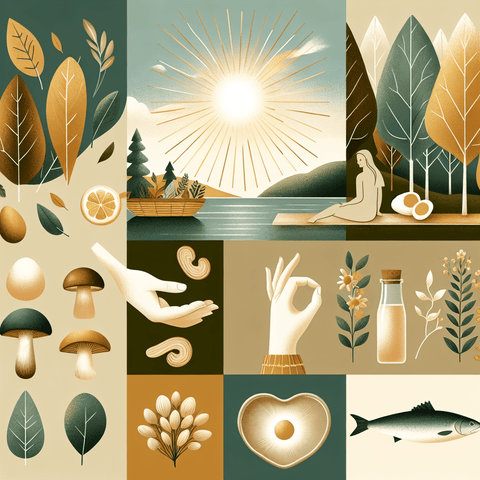
What Are Natural Vitamin D-Rich Foods?
Natural vitamin D-rich foods are those that contain vitamin D in its naturally occurring form, rather than through fortification or synthetic addition. Vitamin D is a fat-soluble nutrient that supports normal bone health, muscle function, and immune system function. While sunlight exposure is a primary source, certain foods can also contribute to vitamin D intake. This topical hub explains the broad landscape of natural vitamin D-rich foods, helping you understand the main categories, key considerations, and how to explore this topic further. The information provided is for general educational purposes and is not a substitute for personalized medical or nutritional advice.
Why Natural Vitamin D-Rich Foods Matter
Vitamin D plays a role in several physiological functions, including calcium absorption and bone maintenance. For people with limited sun exposure, dietary sources become more important. Natural food sources can be part of a balanced eating pattern, though it is important to recognize that the vitamin D content varies widely among foods. Understanding which foods are natural sources can help you make informed dietary choices and discuss your intake with a healthcare provider if needed.
Main Categories of Natural Vitamin D-Rich Foods
Natural vitamin D-rich foods fall into several broad categories. Each category offers different options and considerations.
Fatty Fish and Fish Liver Oils
Fatty fish such as salmon, mackerel, sardines, and tuna are among the most recognized natural sources of vitamin D. Fish liver oils, particularly cod liver oil, also contain vitamin D. The amount can vary by species, origin, and preparation method. These foods are also sources of other nutrients, such as omega-3 fatty acids. If you are exploring supplement options related to omega-3s, you can learn more in the DHA and EPA omega-3 supplements category.
Egg Yolks, Beef Liver, and Cheese
Egg yolks from hens with access to sunlight or vitamin D-enriched feed can contain small amounts of vitamin D. Beef liver and certain cheeses also provide vitamin D. These foods contribute to overall intake, though the amounts are generally lower than those found in fatty fish.
Mushrooms and Plant-Based Options
Certain mushrooms, especially those exposed to ultraviolet light, can generate vitamin D2. This makes them a plant-based option for those following vegetarian or vegan diets. However, the vitamin D content depends on UV exposure and handling. Fortified foods, such as plant milks and cereals, are not natural sources but are often included in dietary discussions. For a broader look at plant-based nutrition, you may explore the superfoods guide.
How to Identify and Compare Natural Vitamin D Sources
When comparing natural vitamin D-rich foods, several factors can influence the actual vitamin D content. These include the origin of the food, how it was raised or grown, and how it is prepared. Serving size also matters. Nutrition labels and reputable databases can provide estimates, but values can vary. It is helpful to look for reliable information from sources such as the NIH Office of Dietary Supplements or Harvard's Nutrition Source. Keep in mind that natural sources may not provide consistent amounts, and individual needs vary.
Practical Ways to Include These Foods in Your Diet
Incorporating natural vitamin D-rich foods can be simple and enjoyable. Consider these general ideas:
- Add fatty fish like salmon or sardines to meals a few times per week.
- Include egg yolks in breakfast dishes or baked goods.
- Use UV-exposed mushrooms in stir-fries, soups, or salads.
- Consider beef liver or cheese as part of a varied diet, if they fit your preferences.
These are general suggestions. Individual dietary needs and restrictions should be discussed with a qualified nutrition professional.
Natural vs. Fortified Sources: What to Know
Fortified foods have vitamin D added during processing, while natural sources contain it inherently. Fortified foods can be a reliable way to increase intake, but they are not natural sources. This page focuses on natural sources, but it is useful to understand the difference when planning your diet. Some people may rely on a combination of natural sources, fortified foods, and supplements to meet their needs.
Factors That May Affect Vitamin D Status
Several factors can influence vitamin D levels in the body. These include sun exposure, skin pigmentation, age, and certain medical conditions. Some medications may interact with vitamin D metabolism. For example, if you are taking diltiazem or other medications, it is important to consult your healthcare provider about potential interactions. This page does not provide medical advice; always seek guidance from a qualified professional regarding your individual situation.
Exploring Further: Related Topics and Resources
This tag page serves as a starting point for understanding natural vitamin D-rich foods. For more detailed information on vitamin D, including its benefits, sources, and safety considerations, you can explore our vitamin D benefits, sources, and safety category. Additionally, because vitamin D works alongside other nutrients like calcium, you may find our calcium benefits for bone and muscle health category helpful. Always consult with a healthcare professional before making significant changes to your diet or supplement routine.