
Bienvenue dans un espace dédié à des conseils nutritionnels basés sur des preuves scientifiques, conçus pour éclairer vos choix plutôt que pour prescrire des résultats. Nous mettons l'accent sur la façon de comprendre les bénéfices nutritionnels en s'appuyant sur des preuves solides, sur la manière dont différents types d'études contribuent à une vision d'ensemble, et sur l'importance du contexte. En centrant notre réflexion sur l'expression "bénéfices nutritionnels", nous reconnaissons que ces bénéfices dépendent du mélange de nutriments, du moment, et de facteurs personnels, et non d'messages isolés. L'objectif est de traduire la recherche en conseils pratiques, transparents, et adaptables aux besoins individuels. Vous apprendrez à distinguer des résultats solides du battage médiatique, à vérifier la présence de biais, et à évaluer la qualité des sources. Tout au long, l'accent est mis sur des stratégies fondées sur des preuves et une interprétation rigoureuse, en évitant les claims absolus au profit d'un raisonnement réfléchi. Les stratégies fondées sur des preuves s'articulent autour d'un cadre d'évaluation de l'information. Nous expliquons comment lire des résumés, ce qu'il faut rechercher dans les revues systématiques, et comment interpréter les contradictions apparentes dans la littérature. Le terme "bénéfices nutritionnels" est traité comme un prisme pour comprendre comment les nutriments contribuent au fonctionnement corporel dans différents contextes, sans réduire la biologie complexe à des slogans simplistes. Nous prenons également en compte l'importance de la variation individuelle, des modes de vie, et des influences environnementales qui façonnent la pertinence des informations pour vous. Lorsqu'il s'agit de sources riches en nutriments, l'accent est mis sur la reconnaissance de la façon dont différents nutriments s'intègrent dans une approche équilibrée plutôt que sur le classement d'éléments. Nous encourageons des habitudes simples qui soutiennent un rythme réfléchi autour de l'apport, comme planifier avec des routines régulières, tenir un journal neutre pour réfléchir à ce que vous apprenez, et comparer les nouvelles informations à des sources crédibles. Les étapes pratiques pour la vie quotidienne visent à vous orienter vers des sources crédibles et des conclusions mesurées. Nous discutons de comment cibler des informations issues de revues réputées, d'institutions et d'experts, et comment vérifier les affirmations avant de les suivre. Comprendre les bénéfices nutritionnels dans leur contexte signifie reconnaître que les résultats sont médiés par de nombreux facteurs et que la science nutritionnelle évolue. Nous évitons de prescrire des actions universelles avec des garanties, et nous mettons l'accent sur le processus : comment évaluer les recommandations, poser des questions, et ajuster votre démarche à mesure que de nouvelles données apparaissent. Des habitudes simples comme fixer des objectifs réalistes, maintenir la cohérence, et dialoguer avec des ressources de confiance peuvent soutenir un engagement réfléchi et constant avec l'information nutritionnelle, tout en respectant vos préférences et contraintes personnelles. En fin de compte, cette page vous invite à explorer le paysage de la science de la nutrition avec un regard clair et critique. En concentrant votre attention sur le concept de bénéfices nutritionnels, vous pourrez mieux comprendre comment les différents éléments de la recherche nutritionnelle interagissent dans des schémas plus vastes. L’accent mis sur des stratégies fondées sur des preuves, une interprétation prudente, et une raisonnement transparent vise à vous doter des moyens de prendre des décisions éclairées au quotidien, sans faire de déclarations excessives. Prenez votre temps, consultez plusieurs sources, et adaptez votre approche au fur et à mesure de vos apprentissages. Cette démarche favorise une implication durable dans les sujets liés à la nutrition, ancrée dans la science et soutenue par un engagement envers la précision et l’humilité face à l’évolution des connaissances.
Avantages nutritionnels : conseils appuyés par la science pour améliorer votre santé
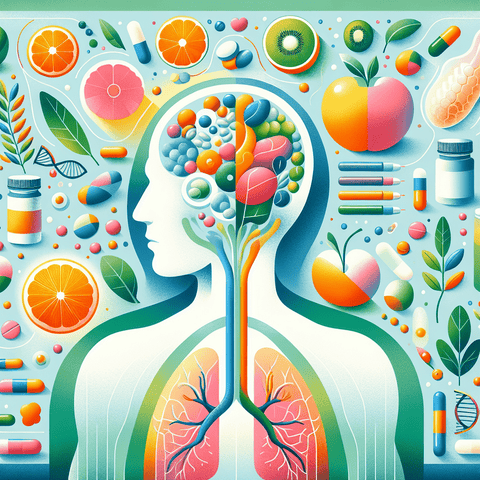
Good nutrition is one of the most practical ways to look after your health. The nutritional benefits of a balanced, varied diet touch almost every part of daily life — from steady energy and comfortable digestion to the normal functioning of the immune system, muscles and bones. This page is our topical hub for nutrition: it explains what good nutrition involves, which essential nutrients the body needs, where to find them in everyday foods, and where supplements may fit alongside a healthy diet.
Below this overview you will find the articles tagged with this topic. Each one explores a specific nutrient, food or nutrition question in greater depth, so this page gives you the map of the subject and the articles give you the detail.
What Are Nutritional Benefits?
Nutrition is the process by which the body takes in food and puts the nutrients it contains to work. Nutritional benefits, then, describe what a well-nourished body can do: fuel daily activity, build and maintain tissues, and support the many systems that keep everything running.
Importantly, these benefits come from the overall pattern of what you eat and drink over time — not from any single food or ingredient. Nutrients work together, amounts and context matter, and personal factors such as age, activity level, genetics and health status shape how diet affects each individual. That is why responsible nutrition guidance focuses on balanced patterns rather than miracle foods, and why claims that sound too good to be true usually deserve a closer look.
The 7 Essential Nutrients Your Body Needs
Nutrition science commonly describes seven essential nutrient groups. 'Essential' means the body needs them to function normally and cannot make them — or cannot make enough of them — on its own, so they must come from food and drink.
- Carbohydrates — the body's main source of energy, found in foods such as whole grains, fruit, vegetables and legumes.
- Protein — provides amino acids, the building blocks used for muscles, tissues, enzymes and much more; sources include fish, poultry, eggs, dairy, legumes and nuts.
- Fats — a concentrated energy source that also helps the body absorb fat-soluble vitamins; unsaturated fats from olive oil, nuts, seeds and oily fish are generally emphasized in healthy eating patterns.
- Vitamins — compounds needed in small amounts for a wide range of normal processes, from energy metabolism to immune function.
- Minerals — elements such as calcium, magnesium, potassium, iron and zinc that support bones, blood, muscles and many other functions.
- Water — involved in virtually every bodily process, from temperature regulation to nutrient transport.
- Fiber — the part of plant foods that is not digested, supporting comfortable digestion and a healthy gut environment.
Macronutrients: Carbohydrates, Protein and Fats
Carbohydrates, protein and fats are called macronutrients because the body needs them in relatively large amounts and because they supply energy. Quantity is only part of the story: most healthy eating patterns emphasize whole-grain carbohydrates, varied protein sources and predominantly unsaturated fats.
Micronutrients: Vitamins and Minerals
Vitamins and minerals are needed in much smaller amounts, yet they take part in countless processes, including energy metabolism, immune function, bone maintenance and the formation of red blood cells. Eating a wide variety of foods is the simplest way to cover them. If you would like to understand individual minerals in more depth, our mineral supplements guide covers iron, zinc, selenium, iodine and other trace elements.
Water and Fiber
Water and fiber are easy to overlook, yet both shape how good nutrition feels day to day. Regular hydration supports concentration, physical performance and normal digestion, while fiber from whole grains, vegetables, fruit, legumes and nuts helps keep the digestive system working comfortably.
How Good Nutrition Supports the Body
When the diet regularly provides adequate amounts of essential nutrients, the body has the raw materials it needs for normal functioning. Established nutrition guidance links balanced eating patterns with several everyday benefit areas:
- Everyday energy — carbohydrates, fats, B vitamins, iron and magnesium all play roles in normal energy-yielding metabolism.
- Immune function — nutrients such as vitamin C, vitamin D, zinc and protein contribute to the normal function of the immune system.
- Muscles — protein supports the growth and maintenance of muscle mass, while magnesium and calcium contribute to normal muscle function.
- Bones — calcium, vitamin D, vitamin K and magnesium contribute to the maintenance of normal bones.
- Skin, hair and eyes — nutrients including vitamins A, C and E, zinc and omega-3 fats are involved in the normal structure and function of these tissues.
- Digestion — fiber, adequate fluids and, for some people, probiotic foods contribute to comfortable, regular digestion.
These statements describe widely accepted roles of nutrients in normal body function. Longer-term outcomes are more complex: research consistently associates balanced dietary patterns with better health over a lifetime, but results depend on many factors beyond food, including genetics, lifestyle and environment. No way of eating can guarantee the prevention of disease, and individual needs can differ considerably.
Nutrient-Rich Foods: The Foundation of a Balanced Diet
The most dependable way to obtain nutritional benefits is through a varied, predominantly whole-food diet. Nutrition researchers often talk about 'nutrient density' — getting plenty of nutrients relative to calories — and most healthy eating patterns are built from similar building blocks:
- Vegetables and fruit, for vitamins, minerals, fiber and plant compounds
- Whole grains, for energy, fiber and B vitamins
- Legumes, nuts and seeds, for plant protein, healthy fats and minerals
- Fish, poultry, eggs or other protein sources, for complete protein and micronutrients such as vitamin B12, iron and omega-3 fats
- Dairy or fortified alternatives, for calcium, protein and often added vitamin D
- Healthy oils such as olive oil, used in place of saturated fats where possible
Variety matters more than any single ingredient. Questions about individual foods — whether bananas are a good everyday snack, how peanut butter fits into a balanced diet, or which foods truly deserve to be called the most nutritious — depend on the whole diet and on personal needs, and our tagged articles look at specific foods one by one. For an overview of nutrient-dense ingredients and the health claims permitted around them, our superfoods guide is a useful place to start.
Where Supplements Fit In
A balanced diet comes first. Even so, supplements can play a supporting role — for example, when certain nutrients are difficult to obtain in sufficient amounts from food alone, when dietary choices or life stages increase requirements, or when a healthcare professional has identified a shortfall. Supplements are intended to complement the diet, not replace it, and they are not a shortcut to the benefits of healthy eating.
If you are considering a general top-up, our multivitamins guide explains how combined vitamin and mineral products are put together and what to look for in terms of ingredients, usage and safety. For more targeted needs, it is best to discuss options with a qualified professional who can help determine whether a supplement is appropriate for you.
Important Considerations
Nutrition is highly individual. Age, body size, activity level, life stage, dietary preferences and health conditions all influence what good nutrition looks like for a particular person. A few principles apply broadly, however:
- Favor overall dietary patterns over single foods or nutrients.
- Treat absolute claims with caution — reputable guidance describes what nutrients do and what research shows, without guarantees.
- Check the source: organizations such as the WHO and NIH, as well as registered dietitians, publish accessible, evidence-based guidance.
- Remember that the information on this page is general education, not personalized medical or dietary advice.
If you have a medical condition, take medication, are pregnant or breastfeeding, or are planning significant dietary changes or supplements, it is sensible to consult a doctor or registered dietitian first.
Exploring Nutritional Benefits Further
This page offers the map of the topic: what nutritional benefits mean, the essential nutrients the body needs, the benefit areas associated with balanced eating, and the roles of nutrient-rich foods and supplements. The articles listed under this tag explore individual parts of that map in depth — specific vitamins and minerals, particular foods, and common nutrition questions. Browsing them is a straightforward way to build a fuller, more nuanced picture of how nutrition can support your everyday health.