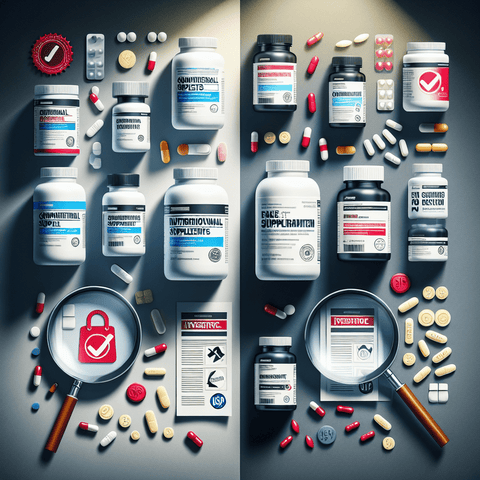
Fraude en supplément en ligne : comment repérer les escroqueries et rester en sécurité


Protégez-vous contre la fraude liée aux compléments en ligne en savoir ce qu'il faut rechercher lors de vos achats. Sur le marché en ligne, certains vendeurs peu scrupuleux peuvent imiter des marques de confiance ou utiliser des étiquetages vagues pour dissimuler des sources illégitimes. En apprenant à repérer les signaux d'alerte courants et en suivant les étapes de vérification, vous pouvez détecter la fraude aux compléments en ligne avant de vous engager dans un achat et éviter de gaspiller de l'argent sur des produits suspects. Les signaux d'alerte à surveiller incluent des prix bien en dessous de la valeur du marché, des détails produits incohérents ou manquants (nom de la marque, liste des ingrédients, numéros de lot) et une pression pour acheter immédiatement. Des sites web mal conçus, des fautes d'orthographe ou des domaines qui ne correspondent pas à la marque peuvent aussi être des indices. Recherchez les coordonnées du vendeur et une adresse physique ; si celles-ci manquent ou ne répondent pas, soyez sceptique face à l’annonce. Méfiez-vous aussi des affirmations vagues, des propositions de « essais gratuits » ou des témoignages qui semblent génériques ou non vérifiables. La vérification des marques et des certifications permet de différencier les produits légitimes des escroqueries. Commencez par le site officiel de la marque ou contactez leur service client pour confirmer les détails du produit. Recherchez des certifications tierces indépendantes telles que USP Verified, NSF Certified, ou d’autres labels de test reconnus, et vérifiez ces certifications sur le site du certificateur. Vérifiez également l’emballage du produit pour un numéro de lot et une date d’expiration, et assurez-vous que l’étiquetage correspond à ce que vous voyez sur les canaux officiels de la marque. En cas de doute, consultez la base de données du certificateur ou contactez-les directement pour confirmer la validité actuelle. Les étapes simples pour rester en sécurité incluent l’achat auprès de détaillants réputés disposant d’informations de contact claires et d'une politique de retour, l’utilisation de méthodes de paiement sécurisées, ainsi que la conservation des reçus et des images des produits. Comparez les pages produits entre différents détaillants et consultez les avis provenant de plusieurs sources indépendantes. Soyez prudent envers les marques nouvelles ou inconnues, et signalez toute annonce suspecte à la marketplace ou à l’organisme de certification si vous soupçonnez une fraude liée aux compléments en ligne. En restant vigilant et en suivant ces pratiques, vous pouvez réduire les risques et acheter en toute confiance.


How to Spot Fake or Counterfeit Supplements Online and Protect Your Health - Topvitamine
27 August 2025
Les compléments alimentaires contrefaits peuvent avoir une étiquette trompeuse, une origine incertaine ou une composition différente de celle annoncée. Ce guide explique comment vérifier l’authenticité d’un complément, repérer les signes d’une arnaque en ligne, évaluer un vendeur et réagir en cas de doute. Il rappelle aussi les précautions à prendre avec les vitamines, les médicaments et les produits achetés sur des places de marché.

The convenience of buying supplements online comes with a hidden risk: online supplement fraud. This term covers a range of deceptive practices, from counterfeit products imitating trusted brands to sellers using vague labeling to hide the true source of their goods. For anyone shopping for vitamins, minerals, or herbal products, understanding how these scams work is essential. This guide provides a broad overview of the problem, the common warning signs, and the practical steps you can take to verify a product's legitimacy and protect your health and your wallet.

What Is Online Supplement Fraud?

Online supplement fraud occurs when illegitimate sellers use the internet to deceive consumers. This can involve selling counterfeit goods that are packaged to look like products from reputable brands, or it can involve marketing low-quality or even dangerous substances under a made-up brand name. The common thread is deception: the buyer believes they are purchasing a safe, genuine product, but they receive something entirely different. This not only wastes money but can also pose a risk to health, as the contents of fraudulent supplements are unregulated and unknown.

The problem is widespread because e-commerce platforms can be difficult to police. Fraudulent sellers can create professional-looking storefronts, use stolen images, and disappear before buyers realize they have been scammed. This makes it crucial for consumers to be proactive in their own defense, learning to identify the signs of a scam before making a purchase.

Key Red Flags to Watch For

While scams can be sophisticated, they often share common characteristics. Learning to spot these red flags is your first line of defense. If a deal seems too good to be true, it often is.

  • Prices far below the market value for a well-known brand.
  • Product listings with missing, inconsistent, or vague details, such as no ingredient list, brand name, or lot number.
  • High-pressure sales tactics, like countdown timers or claims of a “limited-time offer” that creates a false sense of urgency.
  • Poorly designed websites, misspelled text, or a domain name that doesn't match the official brand's website.
  • No clear contact information or a physical address for the seller.
  • Vague or exaggerated health claims that sound too good to be true, or “free trial” offers that are difficult to cancel.
  • Testimonials that look generic, are copied from other sites, or are impossible to verify.

How to Verify a Brand and Its Products

Verification is the most effective way to separate legitimate products from scams. A few simple checks can provide a high level of confidence in your purchase. The goal is to confirm that the product you are buying is exactly what the manufacturer intended to sell.

Check the Official Brand Channels

Start by visiting the brand's official website. Most reputable companies will list their authorized retailers or have a tool to verify a product's authenticity. You can also contact their customer service directly to ask if a particular online seller is legitimate. If the brand has an official presence on social media, you can often find information about common scams there as well.

Look for Third-Party Certifications

Independent certifications are a strong indicator of quality and authenticity. Look for seals from organizations like USP (U.S. Pharmacopeia) or NSF International. These certifications mean the product has been tested by an independent body for quality, purity, and accurate labeling. Crucially, you should verify the certification on the certifier's own website, not just take the seller's word for it. A quick search on the certifier's database can confirm if the product is currently certified.

Examine the Product Details

Carefully examine the product images in the listing. A legitimate product should have a lot number and an expiration date on the packaging. Compare the label design, ingredient list, and any other details with the images on the brand's official website. If the labeling looks different, or if the lot number is missing or appears to be photoshopped, it is a major warning sign.

Simple Steps to Stay Safe When Buying Online

Beyond verifying individual products, you can adopt a set of safe shopping habits that will significantly lower your risk of encountering fraud. These practices are simple to implement and become second nature over time.

  • Buy from reputable retailers with clear contact information, a physical address, and a transparent return policy.
  • Use secure payment methods, such as a credit card, which often offer buyer protection.
  • Save all receipts, order confirmations, and product images in case you need to file a dispute.
  • Compare product pages across multiple retailers to see if the price and details are consistent.
  • Read reviews from multiple independent sources, not just the testimonials on the seller's website.
  • Be cautious about new or unfamiliar brands, especially those with no verifiable history or online presence.

If you do encounter a suspicious listing, report it to the marketplace where you found it and to the brand that is being imitated. This helps protect other consumers and contributes to a safer online environment for everyone.

How to Spot a Fake Supplement and Identify a Legitimate Company

A common concern among consumers is determining whether a specific supplement is counterfeit or whether an online seller is legitimate. While detailed checks are covered in the sections above, the core principle is consistent: a legitimate company is transparent. They provide clear contact information, detailed product pages, verifiable certifications, and consistent branding across their official channels. A fake supplement, by contrast, often has subtle inconsistencies in labeling, packaging, or the product itself. Trusting your instincts when something feels off is also important. For further guidance on choosing quality products, you can explore our overview of natural supplements and what to look for in a product.

The Importance of Sourcing and Quality

The risk of fraud is one reason why the source of your supplements matters. Choosing products from brands that are transparent about their manufacturing processes and sourcing of ingredients is a good practice. Understanding the broader landscape of supplements with healthy origins can help you make more informed decisions about the products you choose to buy.

By staying vigilant, learning the red flags, and taking the time to verify products, you can navigate the online supplement market with confidence. The goal is not to be paranoid, but to be informed. A few minutes of checking can save you from wasting money and, more importantly, protect your health from the risks associated with fraudulent products.