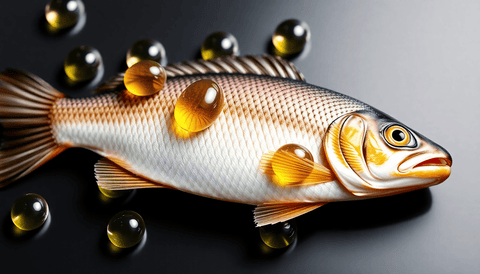
Huile de poisson biologique : Oméga-3 Pur et Durable pour une Santé Optimale
Découvrez l'huile de poisson biologique—un produit Omega-3 pur, issu de sources durables, conçu avec un étiquette propre en tête. L'huile de poisson biologique de notre gamme provient de pêches certifiées selon les normes biologiques, avec une filtration soignée et un processus doux pour préserver son profil naturel. Nous mettons l'accent sur la transparence et la traçabilité, du catch à la capsule, afin que vous puissiez connaître l'origine de votre huile de poisson biologique à chaque étape.
Nos partenaires d'approvisionnement suivent des pratiques responsables et des normes de gestion durable, garantissant une chaîne d'approvisionnement transparente pour l'huile de poisson biologique. Du catch à la capsule, chaque étape est documentée, avec des certifications tierces qui protègent l'intégrité biologique et la responsabilité écologique. Cet engagement contribue à maintenir une qualité constante entre les lots d'huile de poisson biologique.
L'huile de poisson biologique est proposée avec une approche à étiquette propre—ingrédients minimaux et contenus clairement listés. Les capsules sont respectueuses de l'environnement, utilisant des matériaux durables et des emballages conçus pour le recyclage. En combinant un sourcing soigneux et une fabrication réfléchie, cette gamme d'huile de poisson biologique vise à respecter à la fois le produit et l'environnement.
En savoir plus sur l'huile de poisson biologique, y compris les normes d'approvisionnement, les certifications, et comment comparer les options qui correspondent à vos valeurs. Découvrez la histoire complète derrière ce produit et d'où il provient. En savoir plus.
Organic fish oil represents a specific category within the broader omega-3 supplement market. It is defined by its sourcing from certified organic fisheries and a commitment to clean-label processing. For those exploring omega-3 supplementation, understanding what makes a fish oil 'organic' involves looking beyond the basic health benefits of EPA and DHA to consider the entire journey of the product—from the water it comes from to the capsule it is delivered in.
What Does 'Organic' Mean for Fish Oil?
Unlike fruits or vegetables, fish cannot be certified organic in the same way since they are not grown in soil. Instead, organic certification for fish oil typically pertains to the management of the aquaculture or fishery. It signifies that the fish are raised or caught under specific standards that restrict the use of synthetic pesticides, antibiotics, and genetically modified organisms (GMOs). The term also extends to the processing of the oil, ensuring that extraction and refinement use approved methods and solvents.
This focus on organic practices is designed to result in a purer product. By minimizing exposure to synthetic chemicals throughout the supply chain, organic fish oil aims to deliver omega-3s in a form closer to their natural state. This commitment to purity is often a key driver for consumers who are looking for a cleaner and more traceable supplement option.
Key Considerations: Sourcing, Purity, and Certifications
When evaluating an organic fish oil product, several key factors determine its quality and integrity. These elements are what separate a truly transparent, high-quality product from one that merely uses the 'organic' label as a marketing term.
Here are the main pillars to consider:
- Sustainable Sourcing: Look for brands that partner with fisheries certified for organic standards and sustainable management practices. This ensures the fish population's long-term health and the surrounding ecosystem are considered.
- Traceability: A transparent supply chain is signified by documented steps from catch to capsule. This allows you to learn the origin of the oil at every stage, providing confidence in its authenticity and handling.
- Third-Party Certifications: These are independent verifications that safeguard both organic integrity and ecological responsibility. They are a crucial signal that a product meets the standards it claims upon its label.
- Gentle Processing: Methods like molecular distillation and cold-pressing help preserve the natural profile of the oil. Careful filtration is also essential to remove potential contaminants while retaining the delicate omega-3 fatty acids.
The Importance of Omega-3s (EPA and DHA)
The primary reason for taking fish oil is to obtain omega-3 fatty acids, particularly eicosapentaenoic acid (EPA) and docosahexaenoic acid (DHA). These are polyunsaturated fats that play a vital role in maintaining normal body functions, including supporting cardiovascular health, brain function, and joint mobility. Since the body is not efficient at producing these fats on its own, they must be obtained through diet or supplementation.
For those exploring their options, a dedicated collection of