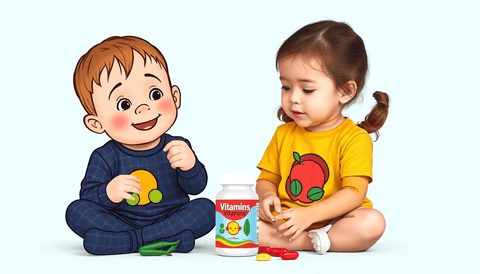
Suppléments biologiques pour enfants : vitamines naturelles et sûres pour les corps en croissance


Découvrez des compléments biologiques pour enfants qui privilégient la pureté. Fabriqués avec des vitamines biologiques, sans contaminants ni excipients synthétiques, ces produits reposent sur des ingrédients naturels et des formulations pensés pour une utilisation quotidienne. En mettant l'accent sur une origine transparente et des listes d'ingrédients simples, ils offrent une option claire et fiable pour les familles. Du champ à la bouteille, ces produits mettent en avant la qualité et la traçabilité. Certification biologique, ingrédients non-OGM, et options sans gluten ou hypoallergéniques contribuent à garantir des choix adaptés à divers besoins. Chaque lot est produit selon des normes strictes, souvent contrôlées par des tests tiers pour assurer constance et responsabilité. Les formats et l’étiquetage sont conçus pour répondre aux besoins des familles. Les compléments biologiques pour enfants se présentent sous forme de poudres, liquides ou gommes, avec des recommandations de posologie et des tranches d’âge clairement indiquées. Les emballages privilégient la sécurité et la facilité d’utilisation, tout en évitant les colorants, arômes artificiels ou additifs superflus, afin de maintenir une formulation simple. Lors de l’évaluation des options, privilégiez les listes d’ingrédients transparentes, les certifications reconnues et les informations de sécurité claires. Un choix réfléchi en matière de compléments biologiques pour enfants témoigne d’une attention particulière à l’origine, à la qualité et à l’accessibilité—au service du routine familiale avec confiance. Parcourez la collection pour trouver des options correspondant à vos valeurs et besoins.


Top Vitamins for Kids: Safe and Effective Picks for 2025 - Topvitamine
20 August 2025
Les vitamines pour enfants ne sont pas systématiquement nécessaires : une alimentation variée reste la priorité. Ce guide explique dans quels cas un complément peut être envisagé, quels nutriments retenir, comment comparer les formules et quelles précautions prendre. Vous y trouverez aussi des repères sur les produits sans allergènes, les multivitamines, les allergies et le TDAH, sans remplacer l’avis d’un professionnel de santé.

Choosing a supplement for a child is a decision many parents approach with care. The market offers many products, and among them, organic kids supplements have become a popular category for families seeking a more natural approach to nutritional support. This guide provides a broad overview of organic kids supplements, helping you understand what they are, why they matter, what forms they come in, and how to approach selecting one. It also touches on key ingredients and important quality considerations, giving you a solid foundation for making an informed choice.

What Are Organic Kids Supplements?

Organic kids supplements are vitamin, mineral, or other nutritional products specifically formulated with ingredients derived from organic farming. This means the ingredients are grown and processed without synthetic pesticides, herbicides, fertilizers, or genetically modified organisms (omeGMOs). For a supplement to be labeled organic, it typically must meet stringent standards set by a certifying body, which verifies the farming and production practices.

Beyond the farming practices, organic kids supplements are often distinguished by what they exclude. Many formulations avoid artificial colors, flavors, sweeteners, and preservatives, opting instead for natural sources. They may also be free from common allergens like gluten, dairy, or soy, though it is always important to check the individual product label. This focus on purity is a primary reason why parents exploring children’s vitamins often find organic options appealing.

Key Ingredients and Nutrients in Organic Formulas

Organic kids supplements typically aim to provide essential nutrients that support overall growth and development. While specific formulations vary, several vitamins and minerals are commonly included to support general wellness:

  • Vitamin D, important for bone health and immune function.
  • Vitamin C, known for its role in immune health.
  • B-vitamins, which help support energy metabolism.
  • Minerals like zinc and magnesium, which play various roles in the body.
  • Omega-3 fatty acids, sometimes included for their role in brain health.

Instead of synthetic isolates, organic formulations may derive these nutrients from whole-food sources like fruits, vegetables, and herbs. This approach aims to provide nutrients in a more complex food matrix. For a deeper dive into specific nutrients, you can explore our guides onVitamin D or Vitamin C to understand their specific roles.

Exploring Different Formats

Organic kids supplements come in several formats, each with its own set of considerations:

  • Gummies: A popular choice for their taste and ease of chewing. They often contain some form of sugar or natural sweetener.
  • Liquids: These can be easily mixed into drinks or food and are often a good option for younger children who cannot chew.
  • Powders: Similar to liquids, powders can be sprinkled into meals or shakes. They may offer more flexibility in dosing.
  • Chewable Tablets: These are another chewable option, which may have a different texture compared to gummies.

The best format often depends on a child’s age, preferences, and any sensory sensitivities. Dosing guidance and age ranges are usually clearly indicated on the product packaging, which is an important consideration when integrating a supplement into a routine.

Key Quality Markers to Look For

When navigating the market for organic kids supplements, certain markers can help in evaluating product quality. Looking for these can support a more confident selection process:

  • Certifications: Look for recognized certifications like USDA Organic, which verifies organic farming practices.
  • Third-party testing: Some brands conduct independent testing to verify purity and potency. This information may be available on their website or upon request.
  • Transparent labeling: A clear, readable ingredient list that you can understand is a good sign. Be wary of proprietary blends that hide individual ingredient amounts.
  • Minimal additives: Organic products should ideally have a short ingredient list, avoiding artificial colors, flavors, and preservatives.

Making a Thoughtful Choice

Choosing an organic kids supplement is not about finding a one-size-fits-all solution but rather about aligning a product with your family’s values and your child’s specific needs. The process involves looking at the ingredient list, understanding certifications, and considering factors like allergies, dietary preferences, and format suitability. Before introducing any new supplement to a child’s routine, discussing it with a pediatrician is always a prudent step. They can offer personalized advice based on a child’s individual health profile and dietary intake.

For a broader understanding of how supplements can fit into a health routine, you may also wish to review our guide onmultivitamins guide. This can provide additional context on ingredients, usage, and safety considerations.

This overview is designed to serve as a starting point. The articles associated with this topic can offer deeper insights into specific questions, such as comparing different supplement types or understanding particular ingredients. Ultimately, an informed choice reflects attention to sourcing, quality, accessibility, and most importantly, the unique needs of your child.