Oméga-3 à base de plantes : des sources faciles et durables pour améliorer votre santé


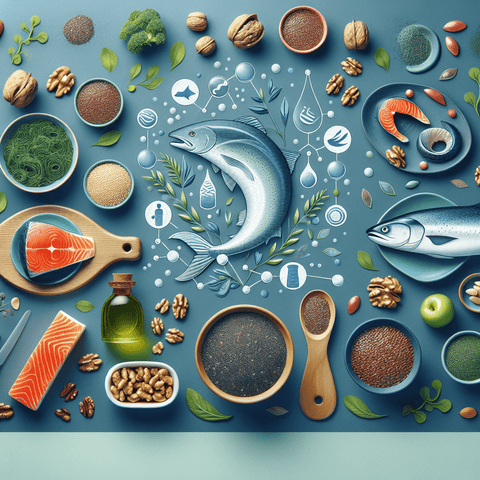
Découvrez des sources faciles et durables d'oméga-3 végétaux avec des astuces pratiques, des recettes simples et des choix privilégiés comme le lin, la chia et les algues. Cette page se concentre sur l'oméga-3 végétal, mettant en avant des moyens accessibles d’intégrer ces ingrédients dans les repas quotidiens. Vous trouverez des idées pour les ingrédients de base, des ajouts rapides et des options polyvalentes adaptées à une gamme de goûts et de styles de cuisine. L’accent reste mis sur l’utilisation pratique et les choix accessibles pour un mode de vie végétal. L'oméga-3 d'origine végétale provient de plusieurs sources. Les graines de lin et de chia sont reconnues pour leur teneur en ALA, tandis que les algues fournissent des formes de DHA et d'EPA. Les choix varient en saveur, texture et mode d’intégration dans les recettes, donc mélanger ces sources peut rendre les menus intéressants et variés. Les astuces pour incorporer l'oméga-3 végétal incluent de moudre le lin juste avant l’utilisation pour une meilleure texture, de faire tremper les graines de chia pour créer des gels, et de conserver les graines dans un endroit frais et sombre. Utilisez la farine de lin dans des produits de pâtisserie ou des smoothies, saupoudrez la chia sur du yaourt ou du céréale, et envisagez d’utiliser de l’huile ou des compléments à base d’algues pour diversifier les options. Commencez avec de petites quantités et ajustez progressivement selon vos préférences de goût et de texture. Des recettes simples à essayer comprennent un pudding de chia avec du lait végétal et des toppings, un mélange de crackers à la graine de lin cuit avec des herbes, et une vinaigrette rapide à l’huile d’algues pour les salades. Un smoothie à base d’épinards, banane et une cuillère à café de lin moulu offre une autre option facile. Ces idées mettent en valeur la polyvalence des sources d'oméga-3 végétal sans nécessiter d'ingrédients spécialisés.


Which omega-3 is better? - Topvitamine
18 October 2025
Quel oméga-3 choisir ? Le meilleur choix dépend surtout de la quantité d’EPA et de DHA, de votre alimentation, de vos préférences et de votre objectif. Ce guide explique les différences entre EPA, DHA et ALA, compare l’huile de poisson et l’huile d’algues, aide à lire les étiquettes et répond aux questions sur le ratio EPA/DHA et le dosage, sans présenter une formule unique comme adaptée à tout le monde.
Which foods are rich in omega 3? - Topvitamine
15 October 2025
Les aliments riches en oméga-3 fournissent principalement de l’ALA, de l’EPA ou du DHA. Les poissons gras comme les sardines, le maquereau et le saumon sont les sources alimentaires les plus concentrées en EPA et DHA. Les graines de lin, de chia et les noix apportent surtout de l’ALA. Ce guide explique aussi le rôle des œufs, l’origine de l’huile de poisson et les précautions à prendre avec les compléments.

Plant-based omega-3 is a topic that covers more than just a single food or supplement. It includes a family of fatty acids, several different plant sources, and a range of ways to include them in a modern diet. This guide provides a high-level overview of the subject, helping you understand the main concepts, sources, and practical considerations.

Understanding Plant-Based Omega-3

Omega-3 fatty acids are a family of polyunsaturated fats that are part of the normal human diet. The three main types are ALA, DHA, and EPA. The crucial difference from a dietary perspective is the source. While DHA and EPA are commonly associated with marine sources like fish, they originate from algae. ALA is predominantly found in plant seeds and oils.

Plant-based omega-3s are therefore those derived from botanical sources. This includes seeds like flax, chia, and hemp, as well as oils from these seeds. A significant development is the availability of algae-based oils, which can provide a direct source of DHA and EPA without marine ingredients, fitting comfortably within a plant-based lifestyle.

Understanding these basic distinctions is the first step in navigating the many options available and choosing the approach that best fits your dietary needs and preferences.

Key Plant-Based Sources of Omega-3

There are several primary plant sources for omega-3, each with its own nutritional profile and culinary characteristics.

The most common sources are seeds, which are known for their ALA content:

  • Flaxseeds and flaxseed oil: These are one of the richest plant sources of ALA. Flaxseeds can be ground for better nutrient absorption and used in baking or smoothies.
  • Chia seeds: Also a great source of ALA, chia seeds have the unique ability to form a gel when soaked, making them useful for puddings and as a textural addition to various recipes.
  • Hemp seeds: These provide a smaller amount of ALA but also contain other beneficial nutrients, making them a simple add-in for salads or oatmeal.

Beyond seeds, the most direct plant-based source of DHA and EPA is microalgae. Algae oil supplements and culinary oils are increasingly common, offering a way to get these specific forms without fish or krill.

If you are considering a supplement, exploring a dedicated selection of DHA and EPA supplements can help you understand the options available, including those derived from algae.

How to Add Plant-Based Omega-3 to Your Diet

Incorporating these sources is generally straightforward, as they are versatile ingredients. Here are some practical tips for everyday use.

Simple Ways to Use Seeds

Seeds are the most accessible starting point. To get the most from flaxseeds, grinding them just before use is often recommended, as this makes the nutrients more accessible. You can add ground flax to smoothies, oatmeal, or use it as an egg substitute in baking.

Chia seeds, when soaked in liquid, create a gel-like texture. This property is perfect for making puddings or for adding thickness and body to sauces and jams. Sprinkling chia or hemp seeds over yogurt, cereal, or salads is another effortless way to boost your intake.

Cooking with Oils

Flaxseed and algae oils are options to consider when thinking about adding plant-based omega-3 through cooking. A quick algae-oil vinaigrette for salads is a simple example. Over time, you can start with small quantities to find what works best for your taste and texture preferences.

Storing these oils correctly is important. Keeping them in a cool, dark place helps preserve their quality over time, much like other delicate oils.

Recipe Ideas to Get Started

Starting with simple recipes can help you get comfortable with these ingredients. Some easy ideas include a chia pudding made with plant-based milk, a batch of flaxseed crackers baked with herbs, or a smoothie that combines spinach, banana, and a teaspoon of ground flax. These ideas demonstrate the flexibility of plant-based omega-3 sources without requiring specialized equipment or hard-to-find items.

General Considerations for Supplements

For some, getting omega-3 from food alone might be challenging, as ALA conversion to DHA and EPA in the body is not always efficient. This is why algae-based supplements are popular; they provide pre-formed DHA and EPA.

As with any supplement, it is important to approach them as a complement to a balanced diet, not a replacement for it. There is no one-size-fits-all approach, and individual needs can vary. If you are considering a supplement, it is a good practice to review the product information carefully and consider seeking guidance from a qualified healthcare professional.

For a broader look at nutritional supplements, you can explore the Topvitamine natural supplements collection

Exploring the Topic Further

This guide covers the foundational information about plant-based omega-3. There are many more specific aspects to explore, from the differences between ALA, DHA, and EPA, to the best ways to pair these foods with other nutrients.

Deep dives into specific questions, such as the taste profile of algae oil, comparison between different seed types, or advanced culinary techniques, are best addressed in dedicated resources that can provide the necessary focused attention. In the meantime, the key takeaway is that plant-based omega-3s are a diverse and accessible topic, and starting with the basics is the best way to move forward.