
Maîtriser la lecture des faits sur les compléments est une compétence pratique pour naviguer dans la boutique bondée de vitamines et minéraux. En se concentrant sur l’étiquette, vous apprenez à décoder les ingrédients, les dosages et les valeurs quotidiennes afin de faire des achats plus intelligents, de rester en sécurité et de comparer les marques avec confiance. Ce guide met en lumière les éléments clés du panneau des faits sur les compléments et montre comment appliquer ces connaissances lors de chaque achat. L’objectif est de rendre la lecture des faits sur les compléments une étape rapide et routinière — sans devinettes requises. La plupart des panneaux de faits sur les compléments indiquent la taille de la portion, le nombre de portions par contenant, et la liste des ingrédients avec les quantités par portion. Les quantités sont exprimées en unités telles que mg, mcg ou UI, donc apprendre à traduire ces unités vous aide à comparer la puissance des produits. Le pourcentage de la valeur quotidienne (%VQ), lorsqu’il est présent, indique la quantité d’un apport de référence que vous obtiendriez par portion par rapport à une cible quotidienne standard. Notez que certains nutriments peuvent ne pas afficher de %VQ ; dans ces cas, vous pouvez toujours comparer la quantité brute par portion. La section des ingrédients inclut les véritables composants du complément ainsi que toute charge ou agent de liant, et il est utile de faire la distinction entre « ingrédients inactifs » et les composants principaux pour voir ce qui est inclus en dehors de l’ingrédient actif. Pour comparer efficacement les marques, concentrez-vous sur le contenu par portion, et non uniquement sur la taille de la bouteille ou le prix. Calculez le coût par portion et comparez les quantités indiquées pour les nutriments ou composés clés ; faites attention aux produits qui dépassent ou ont moins que d’autres. Vérifiez également la présence d’avertissements d’allergènes ou de potentielles sensibilités dans la section « autres ingrédients ». Certains étiquettes peuvent inclure des certifications ou des allégations de sceau tiers ; considérez cela comme un signal optionnel plutôt qu’une garantie et vérifiez via le site de l’émetteur si nécessaire. Lire les faits sur les compléments de cette manière vous aide à établir une comparaison équitable entre les marques. Les conseils pratiques pour appliquer cette compétence incluent la tenue d’une petite liste de contrôle — taille de la portion, portions par contenant, quantités par portion, %VQ, et tous les ingrédients. Lors des achats en ligne, utilisez l’étiquette du produit ou le site du fabricant pour confirmer les chiffres les plus récents, car les formulations peuvent changer. Si vous n’êtes pas sûr de l’interprétation d’une valeur (par exemple, lorsqu’un nutriment ne possède pas de %VQ), notez la quantité réelle par portion et comparez-la avec d’autres produits. La pratique de ces étapes fera de la lecture des faits sur les compléments une étape routinière dans l’évaluation des produits.
Supplément d'information sur la lecture : Comment lire les étiquettes comme un professionnel
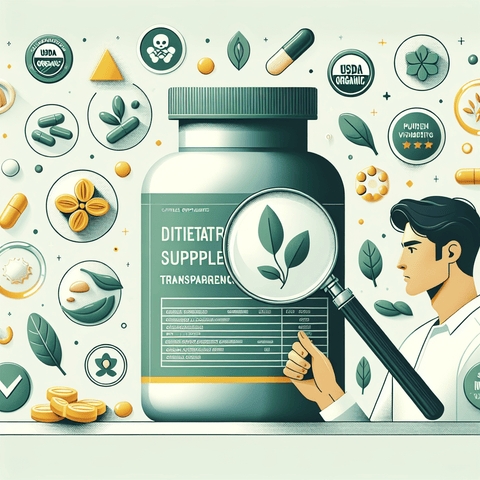
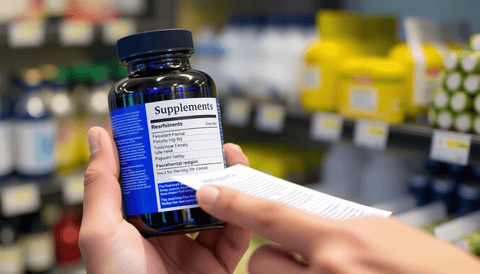
Reading supplement facts labels is a fundamental skill for anyone interested in taking vitamins, minerals, or other dietary supplements. The label contains important details about what a product contains, how much of each ingredient is present, and how those amounts relate to recommended daily intakes. This guide explains the main parts of a Supplement Facts panel and provides practical strategies for comparing products and making confident choices at the store or online.
What Is a Supplement Facts Label?
A Supplement Facts label is a standardized information panel required on most dietary supplement products. It is designed to give consumers consistent, reliable information about the contents of a supplement. The label mirrors many elements of a Nutrition Facts label found on food products but is tailored to the format and ingredients typically found in supplements.
Understanding the layout of this panel helps you quickly identify the information you need. Whether you are investigating a multivitamin or a single-ingredient product, the same basic structure applies, making it easier to compare different options side by side.
Main Components of a Supplement Facts Panel
Several distinct sections appear on most supplement labels. Familiarising yourself with these components makes the label easier to interpret and allows you to focus on the details that matter most for your needs.
Serving Size and Servings Per Container
The serving size is the recommended amount to take at one time. It may be expressed as a number of capsules, tablets, scoops, drops, or another measurable unit. Alongside this, the servings per container tells you how many servings are in the entire package. This is important for both dosing and for calculating how long a product will last.
Amount Per Serving
This section lists each ingredient and its quantity per serving. Nutrient amounts are typically expressed in grams (g), milligrams (mg), or micrograms (mcg). Some ingredients, such as proprietary blends, may list the total blend weight rather than individual ingredient amounts. Understanding these units helps you compare the potency of different products.
Percent Daily Value (%DV)
The percent daily value indicates how much of a nutrient's recommended daily intake is provided by one serving. A %DV of 20% or more is generally considered a high amount, while 5% or less is considered low. However, not all ingredients have an established daily value, so some substances may not show a %DV on the label.
Ingredient List and Other Ingredients
The ingredient list shows all components of the product. Active ingredients appear near the top, while inactive ingredients such as fillers, binders, and flow agents are listed separately, often under the heading “Other Ingredients.” Reviewing this section helps you identify potential allergens and assess the overall formulation of the supplement.
Why Reading Labels Matters
Reading supplement labels carefully is important for several reasons. It helps you understand what you are actually consuming, compare different products effectively, and avoid ingredients you may wish to limit. It also allows you to verify that a product delivers the nutrients it claims to provide at relevant amounts.
Labels also provide context for how a supplement fits into your overall routine. By checking the %DV, you can see whether a product makes a significant contribution to your daily intake of a particular nutrient or whether it provides only a small amount. This information supports more informed decision-making.
Practical Strategies for Comparing Supplements
When comparing supplements, it is helpful to look beyond the front of the package and examine the Supplement Facts panel closely. The following general considerations can help you evaluate products more systematically.
- Check the serving size first to ensure you are comparing equivalent amounts of each product.
- Look at the amount per serving rather than the total bottle size to understand the potency of each dose.
- Review the %DV to gauge whether a nutrient is present in a significant or minor amount.
- Read the full ingredient list, including the “Other Ingredients” section, to identify any additives or allergens.
Developing a consistent approach to label reading can make supplement shopping more efficient and help you feel more confident about your choices. It also enables you to compare similar products across different brands.
Understanding Ingredient Forms and Amounts
Many nutrients come in multiple forms, and these forms can differ in how they are absorbed or utilised by the body. For example, magnesium may appear as magnesium citrate, magnesium glycinate, or magnesium oxide. The specific form is usually listed in the ingredient section, and this information can be relevant when choosing a product.
Similarly, the amount listed on the label refers to the amount of the nutrient or compound present, not necessarily the weight of the entire molecule. Understanding this distinction helps when interpreting labels for minerals, vitamins, and other active ingredients.
Interpreting Certifications and Third-Party Seals
Some supplement labels display certifications or seals from third-party organisations. These may indicate that a product has been tested for quality, purity, or consistency. While such seals can provide useful information, it is important to understand what they do and do not guarantee. They are not a substitute for reading the ingredient list or checking the relevant amounts yourself.
If a certification is important to you, take the time to learn what it represents. Different programs may have different standards, so familiarising yourself with the meaning behind various seals helps you interpret them accurately.
Common Label Terms and What They Mean
Supplement labels sometimes include additional terms that describe the product or its ingredients. Understanding these terms can help you interpret the information more accurately.
- Proprietary blend: A mixture of ingredients for which the label lists only the total weight, not the amount of each individual component.
- Elemental amount: The amount of a specific mineral element present, as opposed to the total weight of the mineral compound.
- Bioavailable: A term indicating how well a substance may be absorbed and used by the body.
- Expiration date: The date by which the manufacturer recommends using the product for best quality.
If you come across a term that is unfamiliar, researching it can help you understand how it applies to the product you are considering.
Using Labels to Support Your Supplement Routine
Ultimately, reading supplement facts labels is about gaining clarity. It allows you to take a more active role in understanding the products you use and to make choices that feel right for your needs. While labels provide detailed information, they are best interpreted as part of a broader approach to nutrition and health.
If you are exploring different types of supplements, you may find it useful to browse our natural supplement categories to see the range of products available. Understanding labels can also help you compare options across categories like vitamins and minerals.
Remember that the information on a supplement label is meant to inform, not to replace personalised guidance from a healthcare professional. If you have questions about whether a particular supplement is appropriate for you, discussing it with a qualified professional is always a reasonable step.
Continuing Your Learning
This guide covers the fundamentals of reading supplement facts labels. There is more to explore, including specific nutrients, different supplement forms, and how to evaluate products for particular goals. By building on these basics and continuing to read labels with care, you can become more confident in navigating the world of dietary supplements.
For additional context on specific types of supplements, you may wish to explore our multivitamin guide which provides further detail on these popular products.