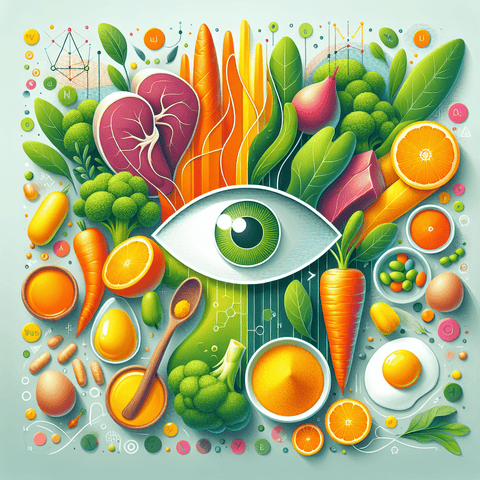
Aliments riches en rétinol : le guide ultime pour une peau éclatante


Bienvenue dans notre guide sur les aliments riches en Rétinol. Cette page explique ce que sont les aliments riches en Rétinol, comment identifier les principales sources, et quelles étapes pratiques suivre pour les intégrer dans votre alimentation. L'accent reste sur le concept des aliments riches en Rétinol, les formes qu'ils contiennent, et comment vous pouvez comparer les options. L'objectif est de fournir des informations claires et neutres qui vous aident à comprendre ce sujet. Les aliments riches en Rétinol désignent les sources qui apportent de la vitamine A sous une forme préformée et active. En pratique, ces sources se regroupent en grandes catégories, comprenant des produits d'origine animale et des produits enrichis. Nous ne listerons pas d'éléments spécifiques ici, mais l'idée est de reconnaître que différents aliments riches en Rétinol fournissent le même nutriment sous des formes diverses. La lecture des étiquettes et des informations nutritionnelles peut vous aider à identifier ces aliments. Comprendre comment les aliments riches en Rétinol agissent dans le corps vous aide à comparer les options. Le Rétinol est une forme de vitamine A, et dans le corps il peut être converti en d’autres rétinoïdes selon les besoins. La teneur en Rétinol des aliments peut être influencée par leur préparation et leur stockage, c’est pourquoi ce guide insiste sur des facteurs généraux qui affectent le contenu en Rétinol. Cette section reste axée sur le fonctionnement plutôt que sur des affirmations santé. Quelques conseils simples pour intégrer dès aujourd'hui des aliments riches en Rétinol dans votre routine : consultez les étiquettes nutritionnelles pour repérer ces aliments, planifiez vos repas sur la semaine afin d'inclure différentes sources, et envisagez comment vous pouvez ajouter ces aliments à vos plats existants. Pensez à essayer différentes méthodes de préparation qui contribuent à préserver le contenu en Rétinol et maintenez une liste de courses versatile. Tout au long, l’accent demeure sur le concept des aliments riches en Rétinol et sur des conseils pratiques et neutres pour les inclure dans votre routine.


What to eat for vitamin A deficiency? - Topvitamine
17 October 2025
Que manger en cas de carence en vitamine A ? Le foie et certains produits animaux apportent du rétinol, tandis que les carottes, patates douces et légumes verts fournissent du bêta-carotène. Découvrez les signes possibles d’un manque, les conseils pour favoriser l’absorption et les précautions liées aux compléments. Une carence suspectée doit être confirmée et prise en charge avec un professionnel de santé.

Retinol-rich foods are a key topic in nutrition, primarily because they are the most direct dietary source of preformed vitamin A. Unlike plant-based carotenoids, which the body must first convert, retinol is already in a form that can be readily used. This makes understanding these foods important for anyone interested in the fundamentals of vitamin A nutrition, its various forms, and how to approach them in a balanced diet. This guide serves as a broad overview, covering what retinol-rich foods are, why they matter, and the main factors to consider when exploring them.

What Are Retinol-Rich Foods?

Retinol-rich foods are those that naturally contain or are fortified with preformed vitamin A. This is one of the two main types of vitamin A found in the human diet. The other type, provitamin A carotenoids (like beta-carotene), is found in colorful fruits and vegetables and requires conversion in the body. Preformed vitamin A, which includes retinol, is found in animal-based foods and some fortified products.

The primary sources of retinol include organ meats like liver, fish oils, and to a lesser extent, dairy products and eggs. Fortified foods, such as certain breakfast cereals or dairy alternatives, also contribute to the overall intake of retinol. Understanding this distinction is the first step in navigating nutrition information and building a balanced diet.

The Role and Function of Retinol

Retinol is a vital nutrient that serves several important functions in the body. It is perhaps best known for its role in vision, specifically in helping the eye adjust to changes in light. Retinol also plays a critical part in maintaining healthy skin and epithelial tissues, as well as supporting the immune system's normal function. In the body, retinol can be converted into other active forms, such as retinal and retinoic acid, which are necessary for various cellular processes.

It's important to note that the amount of retinol in food can be affected by how it is processed, cooked, and stored. These factors are important to consider when evaluating dietary sources. This section focuses on the general mechanisms, not on making any specific claims about health outcomes.

Key Differences: Retinol vs. Carotenoids

A crucial aspect of understanding retinol-rich foods is knowing how they compare to plant-based sources of vitamin A. The main dietary forms of vitamin A are:

  • Preformed Vitamin A (Retinol): Found in animal products. This form is ready for the body to use without any conversion steps.
  • Provitamin A Carotenoids: Found in colorful plant foods. These compounds, such as beta-carotene, must be converted into retinol by the body, a process that is not 100% efficient.

This distinction is fundamental for making dietary choices, as it affects how much vitamin A your body can ultimately utilize from a given food source.

Practical Steps to Consider

If you're looking to understand your own intake of retinol, there are several straightforward steps you can take. These practical considerations are designed to help you evaluate your diet in a neutral and informed way.

  • Review Nutrition Labels: Get into the habit of checking food labels for vitamin A content. This is the most direct way to identify fortified foods and understand their contribution to your total intake.
  • Plan Your Meals: Consider your meals across the week to ensure a variety of sources. This can help you see patterns in your diet and make intentional choices about including retinol-rich foods.
  • Experiment with Preparation: Different cooking methods can affect nutrient content. Exploring various techniques, such as gentle cooking, may help you think about how to get the most from the foods you eat.

These steps are a starting point for building a broader understanding of your nutritional patterns. Always consult with a healthcare professional for personalized dietary advice.

Exploring the Topic Further

The topic of retinol-rich foods naturally leads to many other areas of nutrition. Understanding the difference between preformed and provitamin A is often the first step in a larger exploration of fat-soluble vitamins and their roles. For those interested in the broader context of vitamins, you may find information on other fat-soluble vitamins such as vitamin D or vitamin K to be helpful. Additionally, looking into antioxidants provides insight into how different nutrients work together in a balanced diet.