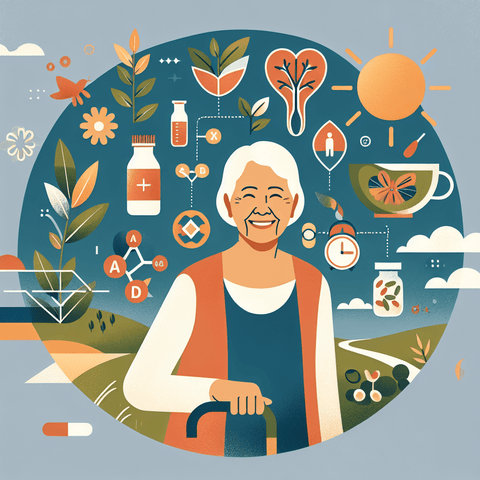
As we age, our nutritional needs evolve. The way our bodies absorb nutrients, regulate appetite, and utilize energy changes, making it essential to adapt our eating habits. This senior nutrition guide explains why nutrition becomes even more critical with age, what nutrients deserve special attention, and how to approach diet and supplements to support healthy aging.
Why Nutrition Needs Change with Age
Aging affects every system in the body, including digestion and metabolism. Your basal metabolic rate—the calories your body burns at rest—typically declines due to a decrease in lean muscle mass. This means you may need fewer calories overall, but your requirements for certain nutrients actually increase. This creates a paradox: you must consume fewer calories while obtaining more essential vitamins and minerals.
Additionally, the gastrointestinal tract undergoes changes. Stomach acid production often decreases, which can impair the absorption of vitamin B12, iron, and calcium. Intestinal motility slows, potentially leading to constipation and reduced nutrient uptake. The gut microbiome also becomes less diverse, affecting digestion and immunity. These physiological shifts mean that even a balanced diet may not provide all the nutrients your body needs.
Key Nutrients for Older Adults
Certain nutrients are particularly important for seniors due to their role in maintaining muscle, bone, cognitive function, and immunity.
Protein: Preserving Muscle and Strength
Protein is vital for preventing sarcopenia, the age-related loss of muscle mass that can lead to frailty and falls. Unlike younger adults, seniors may need a higher protein intake to stimulate muscle synthesis. Experts recommend distributing protein evenly across meals—aim for 25–30 grams at each meal. Good sources include eggs, dairy, poultry, fish, beans, and lentils.
Calcium and Vitamin D: Supporting Bone Health
Bone density declines with age, increasing the risk of osteoporosis and fractures. Calcium and vitamin D work together to maintain bone strength. Dairy products, fortified plant milks, and leafy greens provide calcium, while vitamin D is found in fatty fish and fortified foods. However, many seniors have insufficient vitamin D due to limited sun exposure and reduced skin synthesis. If you are concerned about your bone health, discuss calcium and vitamin D intake with your healthcare provider.
Vitamin B12: Protecting Nerve and Cognitive Function
Vitamin B12 is essential for nerve function, red blood cell formation, and DNA synthesis. Its absorption relies on stomach acid, which often decreases with age. A deficiency can cause fatigue, memory issues, and neurological problems. Animal products are the primary dietary sources, so vegans and vegetarians are at higher risk. If you take acid-reducing medications or have digestive conditions, your B12 status should be monitored.
Omega-3 Fatty Acids: Heart and Brain Health
Omega-3s, particularly EPA and DHA, are anti-inflammatory and support cardiovascular and cognitive health. They are found in fatty fish like salmon, sardines, and mackerel, as well as in algae-based supplements. If you don't eat fish regularly, an omega-3 supplement may be beneficial.
Magnesium and Potassium: Muscle and Heart Function
Magnesium is involved in over 300 enzymatic reactions, including muscle contraction and nerve transmission. Potassium helps regulate blood pressure and heart rhythm. Both can be depleted by certain medications, such as diuretics. Good sources include nuts, seeds, whole grains, and bananas.
Building a Nutrient-Dense Diet
A nutrient-dense diet is the foundation of healthy aging. This means choosing foods that provide a high amount of nutrients relative to calories.
Fiber and Digestive Health
Fiber promotes regular bowel movements, helps control blood sugar and cholesterol, and supports a healthy gut microbiome. Include plenty of vegetables, fruits, whole grains, legumes, and nuts in your diet. For older adults, recommended fiber intake is around 21 grams for women and 30 grams for men per day. Increase fiber gradually and consume adequate fluids to prevent discomfort.
Hydration: The Often-Overlooked Nutrient
The thirst sensation diminishes with age, making dehydration a common risk. Dehydration can lead to confusion, fatigue, and urinary tract infections. Aim to drink water throughout the day, even if you don't feel thirsty. Include hydrating foods like soups, fruits, and vegetables. Limit caffeine and alcohol, which can have diuretic effects.
When Supplements May Be Necessary
While whole foods are the best source of nutrients, certain situations may warrant supplements. These include diagnosed deficiencies, malabsorption conditions, or dietary restrictions. Always prioritize dietary optimization first and use supplements to fill specific gaps.
Common Nutrient Gaps and How to Address Them
Vitamin D, B12, calcium, and omega-3s are common gaps. For example, if you have limited sun exposure or malabsorption issues, a vitamin D supplement may be necessary. If you follow a vegan diet, B12 supplementation is essential. Discuss your specific needs with a healthcare professional, who can order blood tests to identify deficiencies.
Choosing Quality Supplements
Not all supplements are created equal. Look for products that have been third-party tested (e.g., USP, NSF) to ensure purity and potency. Check the label for the active form of the nutrient (for example, methylcobalamin for B12, magnesium citrate for magnesium). Avoid proprietary blends that don't disclose ingredient doses. Choose a format that is easy for you to take consistently, whether capsules, tablets, or liquids.
You can explore additional information on multivitamins guide for a broader understanding of supplement ingredients, or calcium for bone health to learn more about maintaining bone density.
Building Healthy Eating Habits
Creating sustainable habits is more important than following a strict diet. Start with small changes and build from there.
Practical Tips for Everyday Meals
- Eat protein at every meal to help preserve muscle.
- Fill half your plate with colorful vegetables and fruits.
- Choose whole grains over refined carbohydrates.
- Incorporate healthy fats like olive oil, avocados, and nuts.
- Drink water regularly, even when not thirsty.
Frequently Asked Questions
What are 5 foods that seniors should eat every day?
Incorporate a variety of nutrient-dense foods: leafy greens (spinach, kale) for calcium and vitamins; berries for antioxidants; fatty fish (salmon, sardines) for omega-3s; whole grains (oats, quinoa) for fiber; and legumes (beans, lentils) for protein and fiber.
What is the 3-3-3 rule for nutrition?
The 3-3-3 rule is a general guideline, not a medical standard, suggesting eating three meals a day, three snacks, and waiting three hours between eating to regulate appetite and blood sugar. It can be a helpful structure, but individual needs vary, and it's not a substitute for personalized dietary advice.
At what age do seniors start eating less?
Appetite often decreases with age, typically starting in the 60s and 70s. This is due to changes in taste, smell, hormones, and digestion. However, unintentional weight loss is not normal and should be discussed with a doctor, as it may indicate an underlying medical issue.
What is the one fruit all seniors should eat?
There isn't a single 'miracle' fruit. Instead, aim for a variety of colorful fruits to get a range of antioxidants, vitamins, and fiber. Berries, citrus fruits, and apples each offer unique benefits. Eating a rainbow is more beneficial than focusing on one fruit.
The Importance of Professional Guidance
Your healthcare provider is your best resource for personalized nutrition advice. They can assess your health conditions, medications, and nutritional status through blood tests. They can also help you determine which supplements are safe and effective for you, and how to manage potential interactions.
Final Thoughts
Healthy aging is a journey, not a destination. By prioritizing nutrient-dense foods, staying hydrated, engaging in regular physical activity, and using supplements wisely when needed, you can support your body's changing needs and enjoy a vibrant, active life. Remember to consult with your healthcare team before making significant dietary changes or starting new supplements.